Guides
Leaf of Life (Bryophyllum pinnatum) Guide: Plantlets, Potting, Winter Indoors and Harvest
How to grow leaf of life (Bryophyllum pinnatum): container growing, frost protection, light, soil, water, plantlets, winter indoors and the livestock and pet risk.
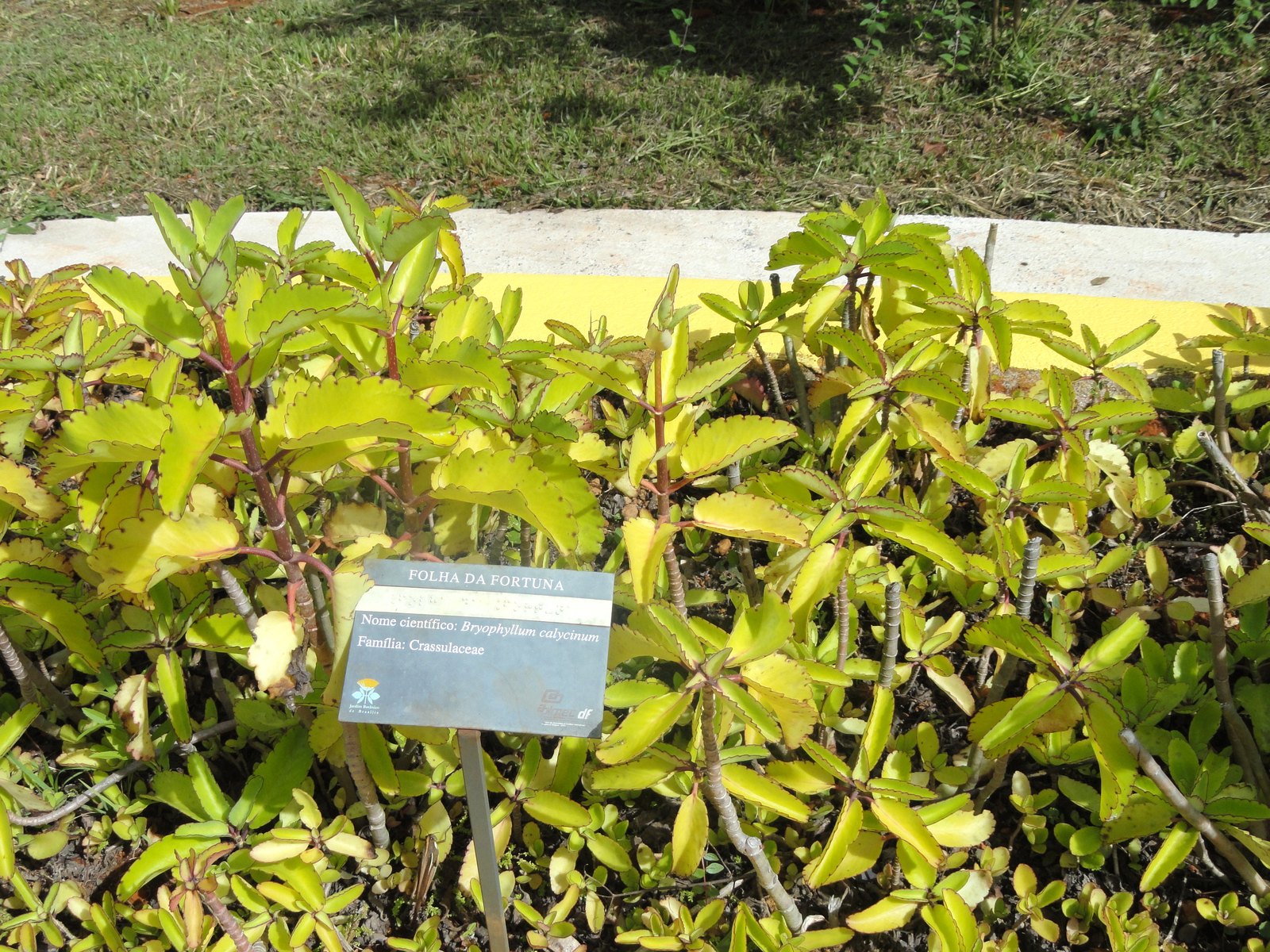
Photograph: Daderot, CC0. Source: Wikimedia Commons

On this page
Introduction
Some plants make you work for every inch. This one makes a new plant out of a leaf that fell on the floor. Leaf of life, Bryophyllum pinnatum, grows tiny plantlets along the notches of its thick leaves, and each plantlet drops, roots and starts over. That habit is why it is one of the easiest succulents to multiply, and why it has to be handled with some respect on a working farm.
We are a family farm in Kerrville, Texas, where everyone pitches in, and this guide is written for a Texas yard: a plant that hates frost, loves a pot, and needs a spot that cattle, dogs and children cannot reach. We cover what you are growing, how cold it can take, where to put it, the soil, how to start new plants, water, a winter indoors, flowers, keeping it from escaping, the livestock and pet risk, and a safe way to harvest leaves.
Summary
- The plant: a fleshy-leaved succulent from Madagascar, also sold as Kalanchoe pinnata, with leaves 4 to 12 inches long.
- Cold: it does not thrive below 50 degrees F and frost kills it, so in Kerrville it is a container plant that comes inside for winter.
- Zones: outdoors in the ground only in USDA zones 10 and 11.
- Light and soil: bright light, with part shade on the hottest summer afternoons, in a gritty mix that drains fast.
- Water: a thorough soak, then let the soil dry. Overwatering rots the roots, and winter needs only 2 to 3 waterings a month.
- Multiplying: pot a plantlet from a leaf edge, or let a cutting dry 3 to 5 days and root it.
- Danger: the plant carries heart-active compounds that have killed cattle and sickened dogs and cats. Keep it in a pot, away from animals and children.
Why does a plant this easy need a full guide? Because the same ease that fills a windowsill can fill a pasture, and the pasture is where the trouble starts.

The other half of this plant, what the fresh leaf holds and why we never write a recipe for swallowing it, is on our partner website, and a link to it appears near the end of this guide.
What You Are Growing
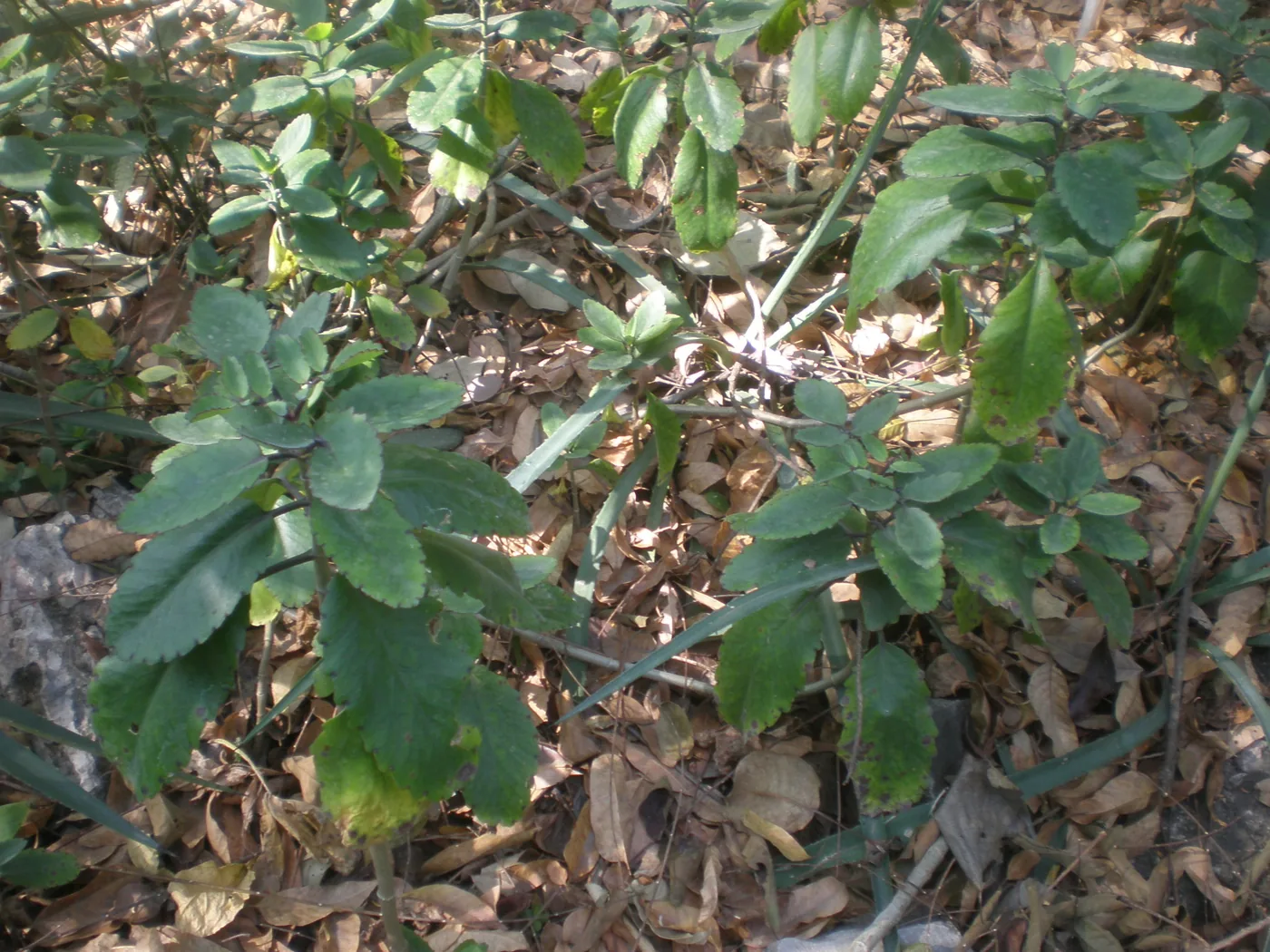
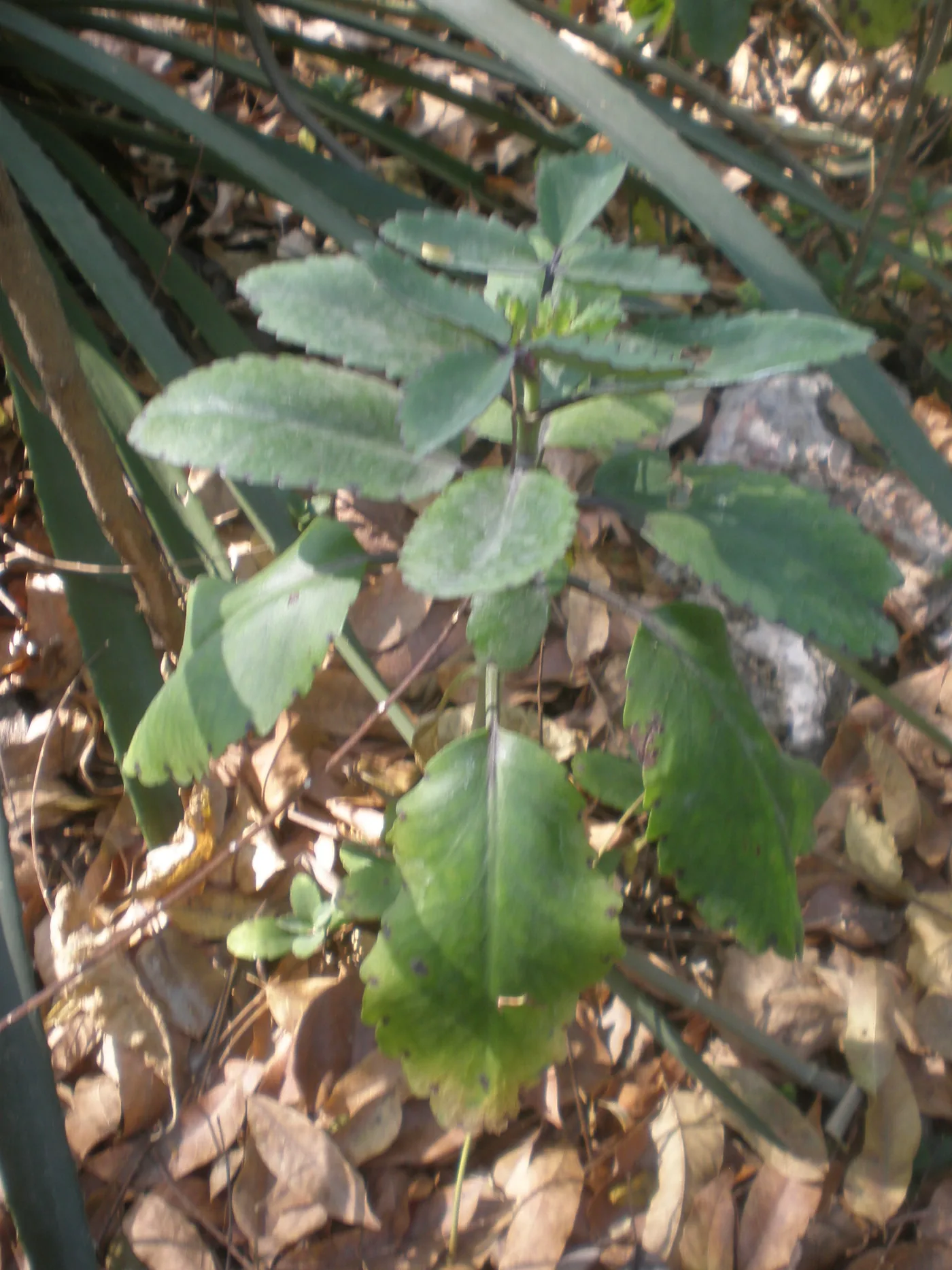
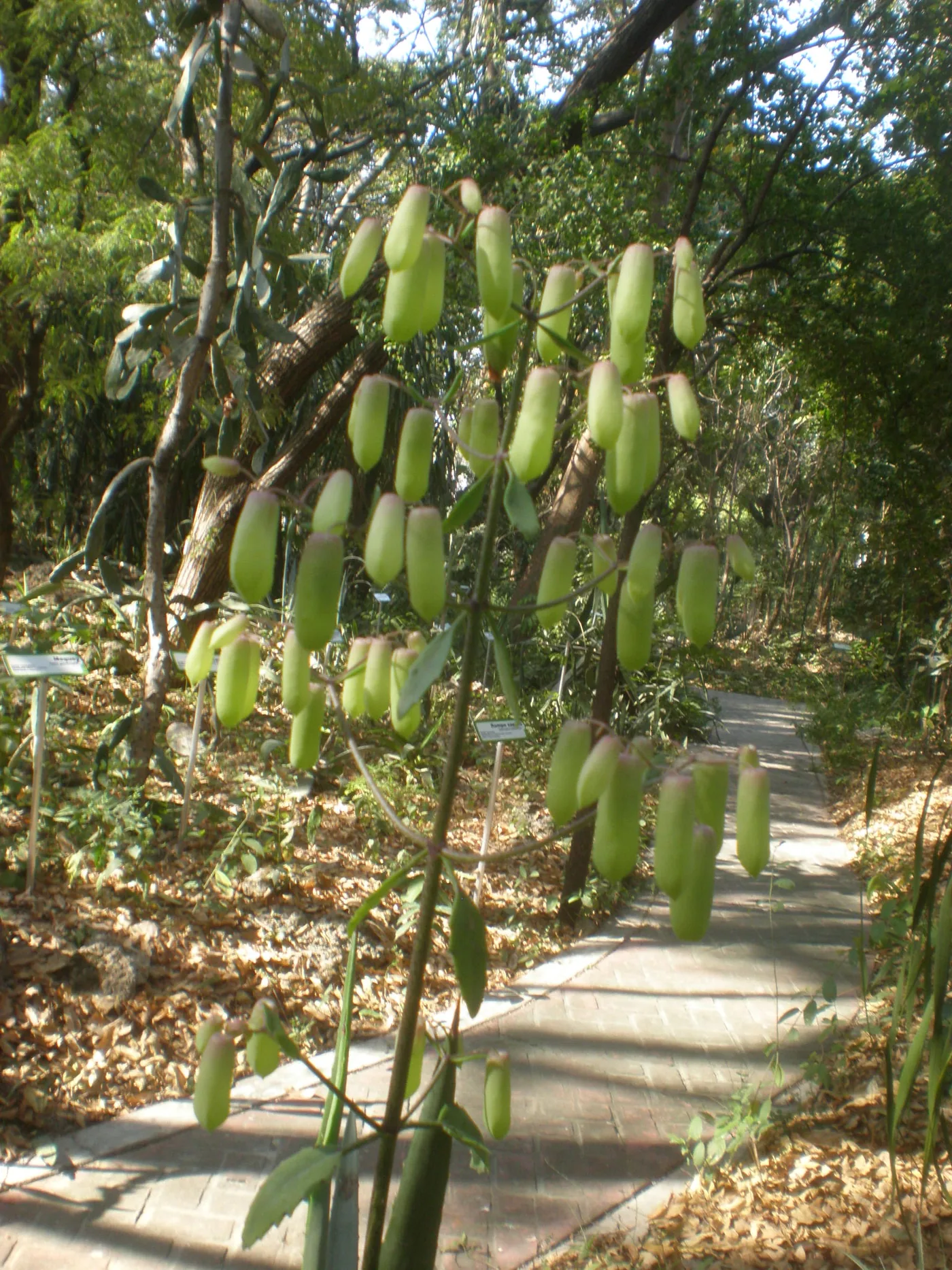
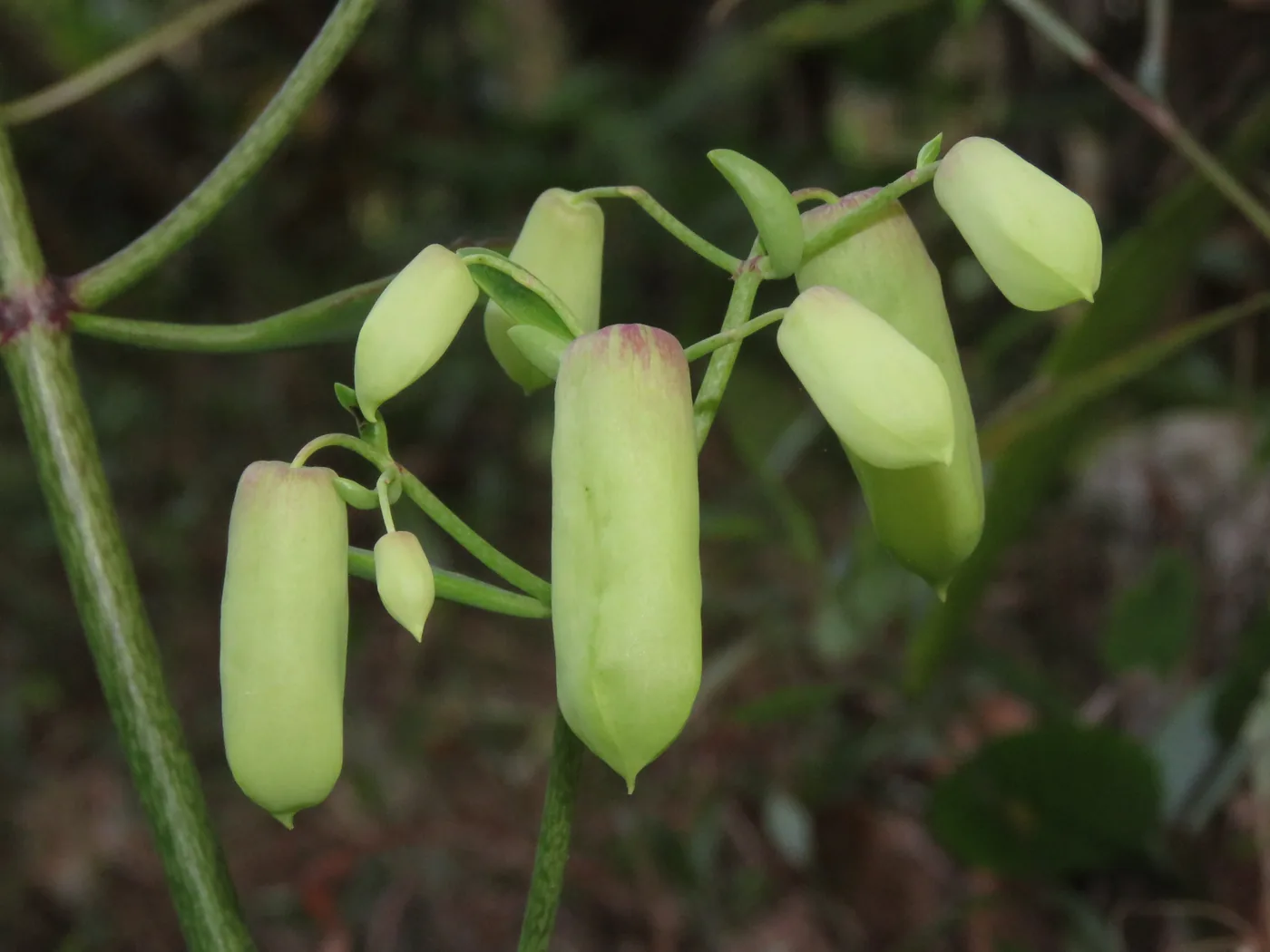
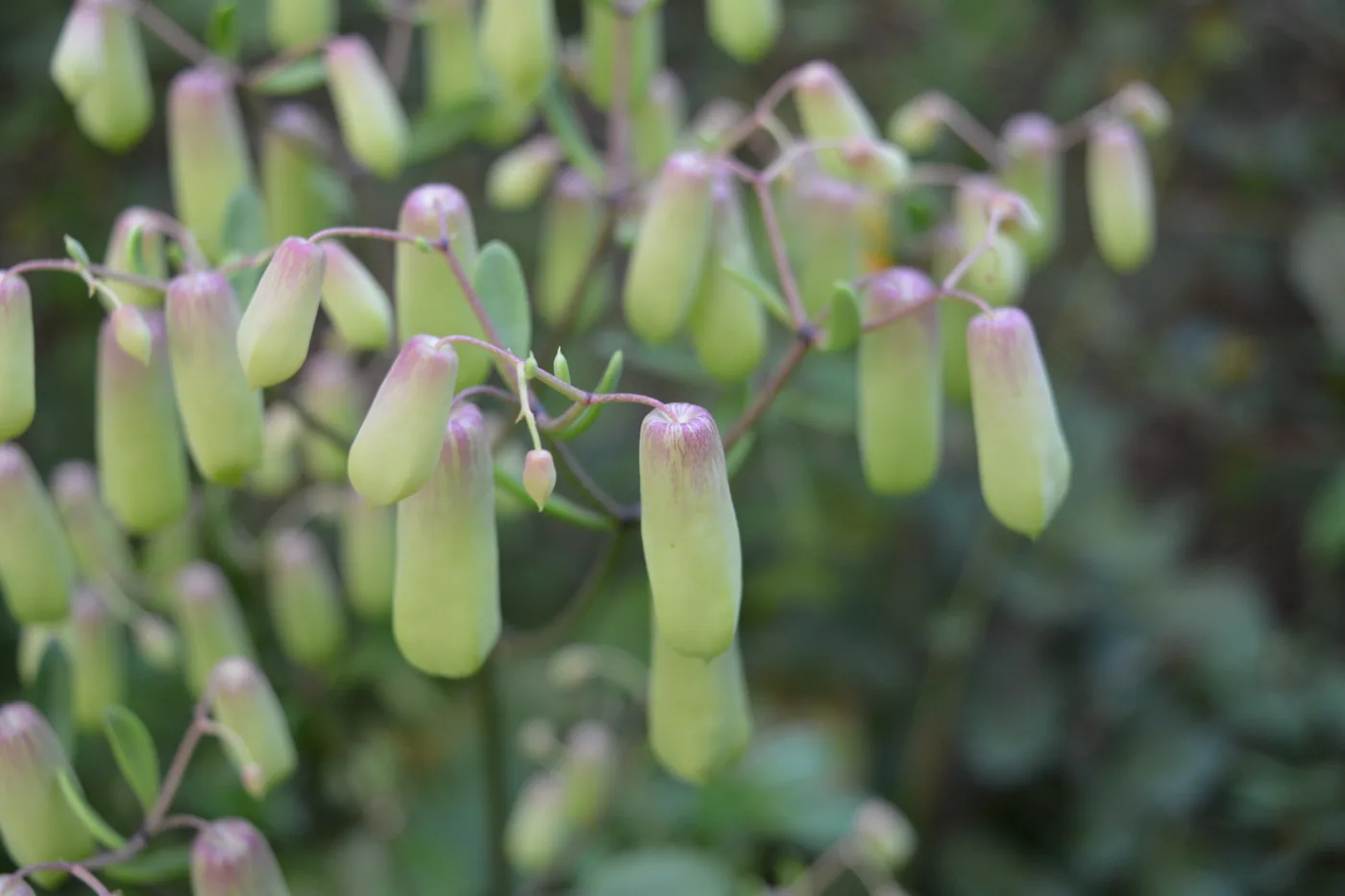
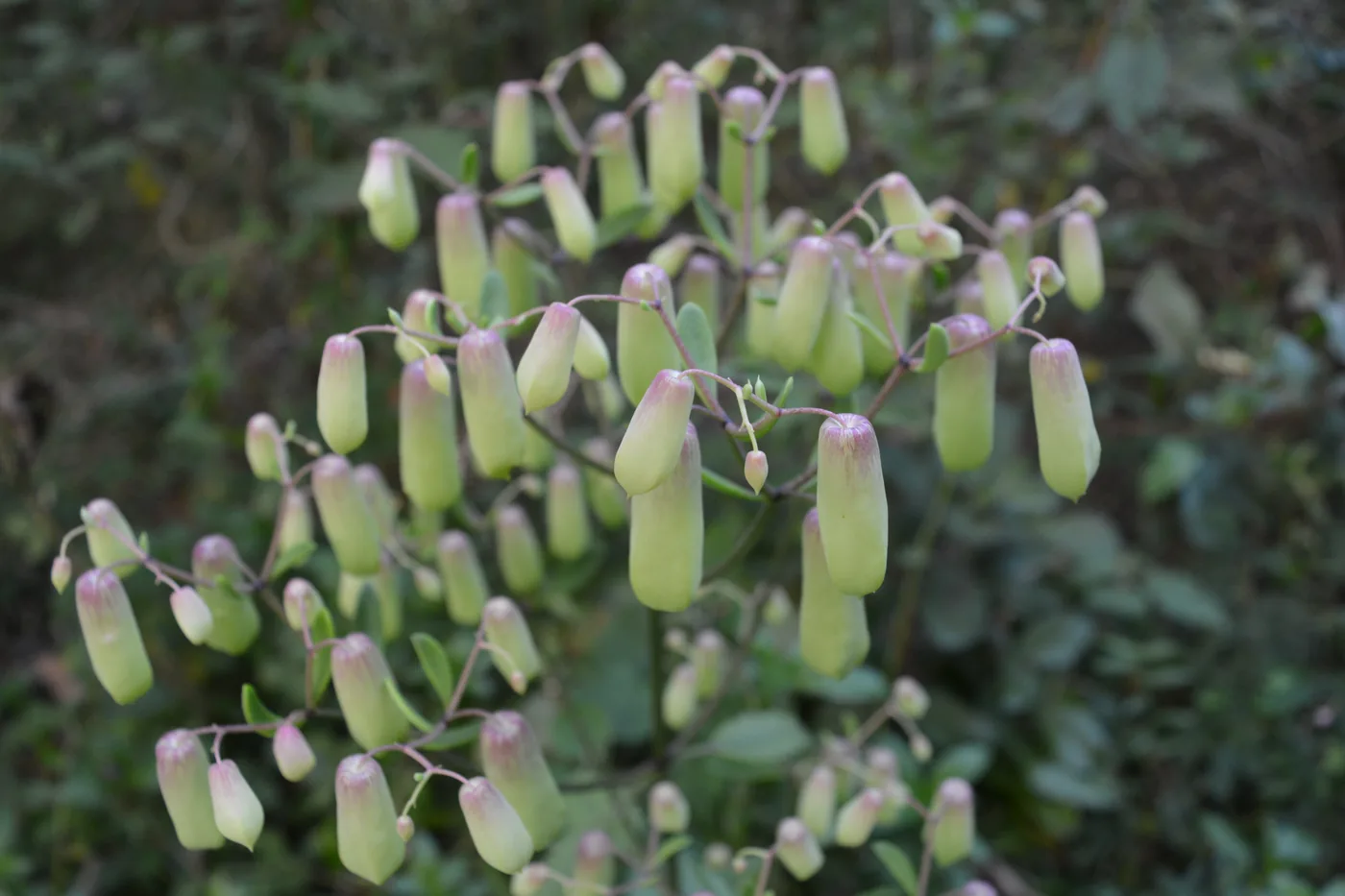
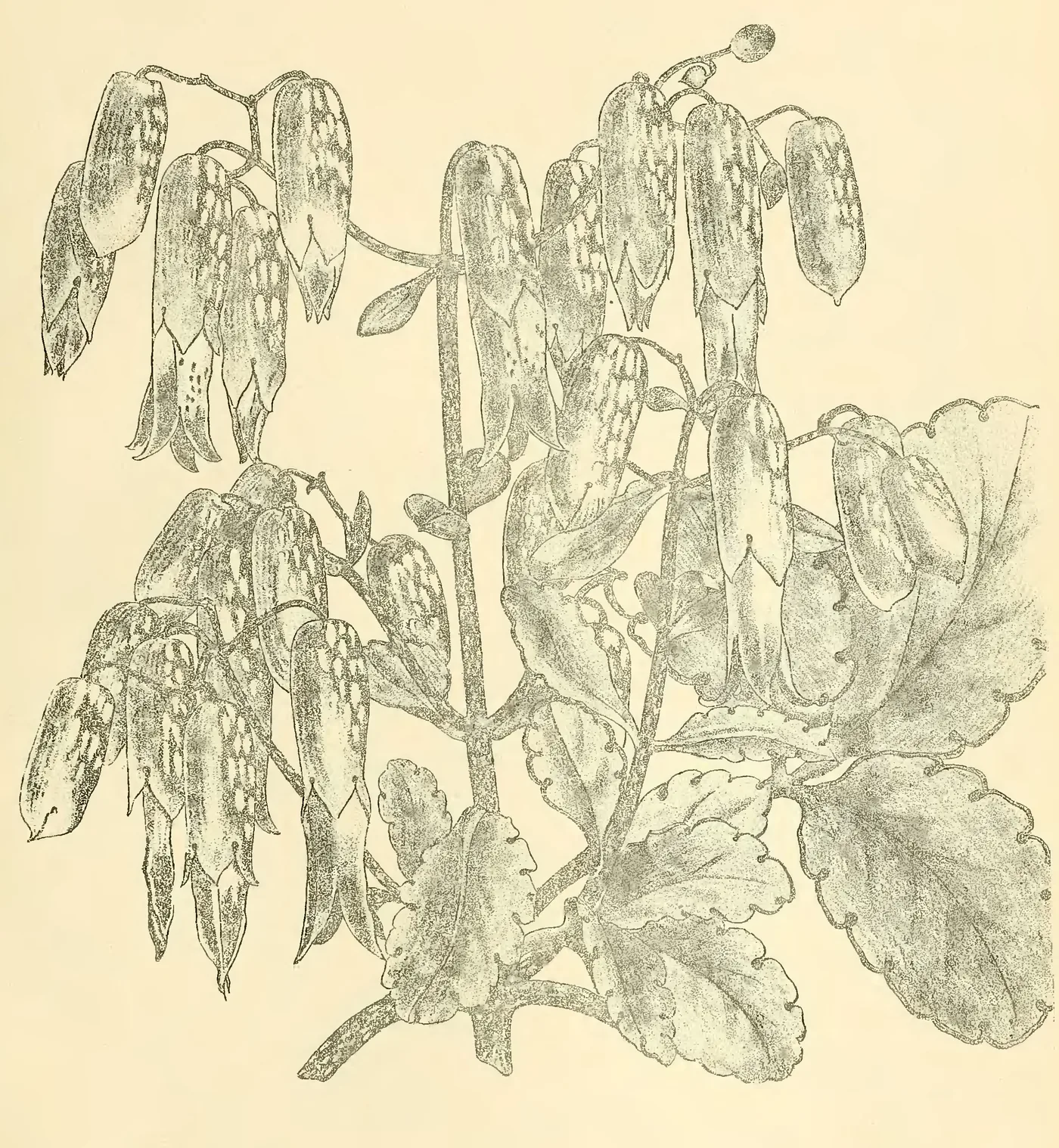
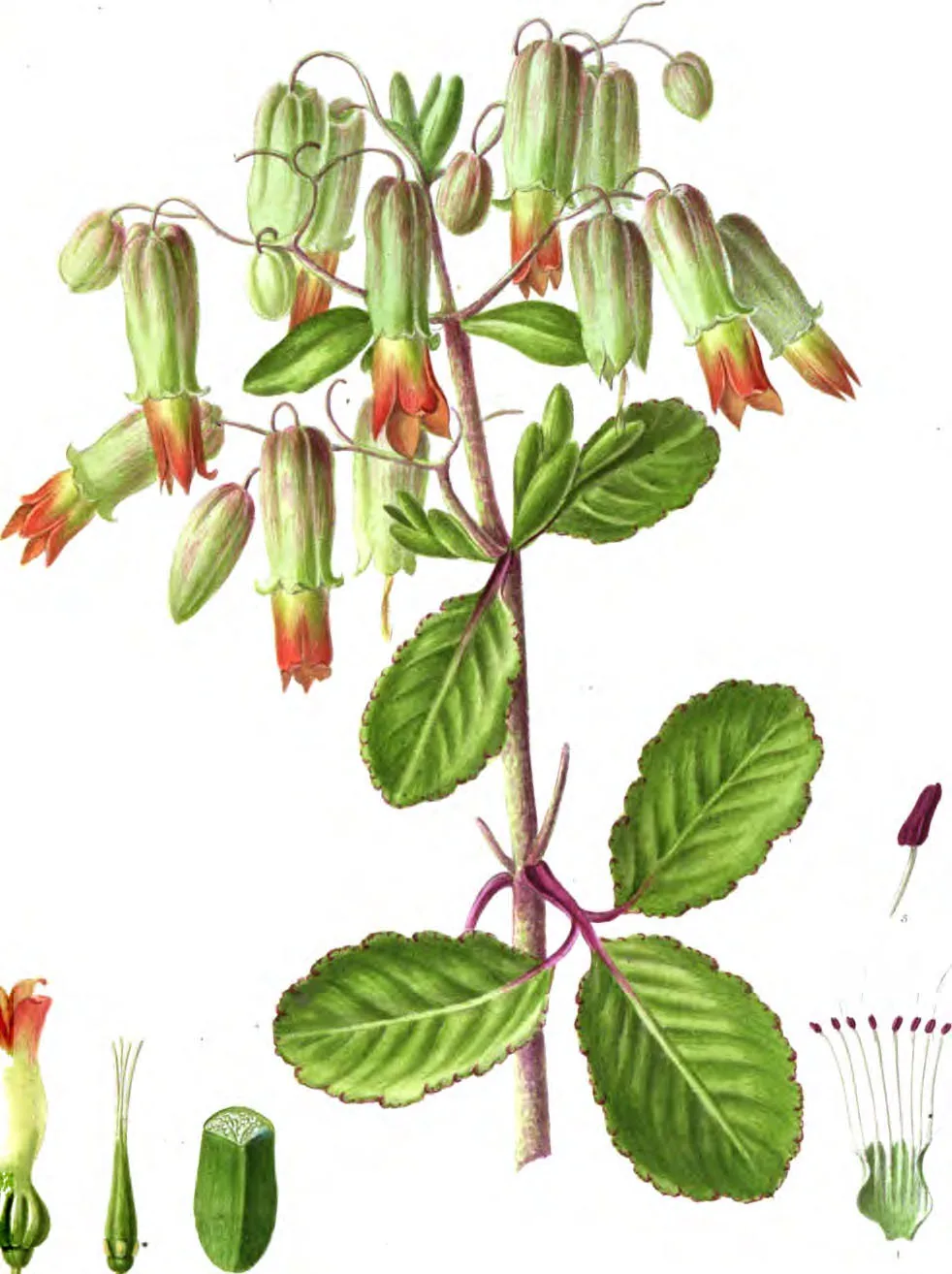
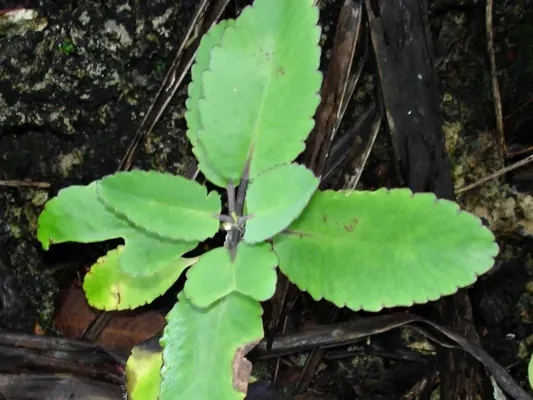
Picture a thick, scalloped, oval leaf the color of a pea pod, sometimes blushed with red. The lower leaves are simple. The upper leaves are divided into three to five pairs of lobes, and a full leaf runs 4 to 12 inches long. When the plant blooms it sends up a stalk of hanging, tube-shaped flowers, the tube reaching about 2 inches, yellowish with red-purple streaks, with eight stamens inside.
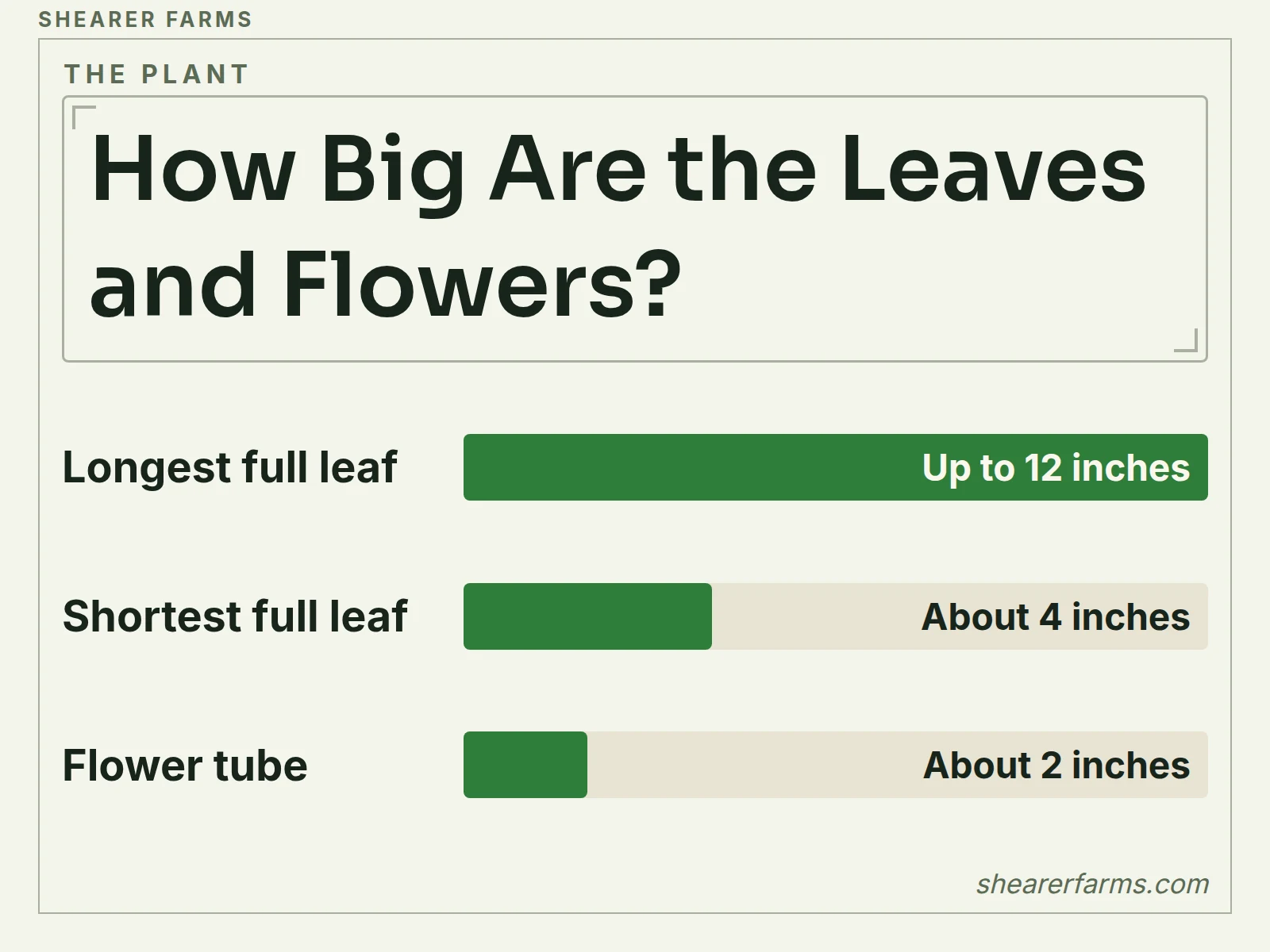
Those flowers arrive in clusters of dozens, and they turn the plant into something worth looking at from across a yard. The leaf is what keeps it alive between floods and droughts. It stores water the way a cactus pad does, and it can be a few weeks late for a watering without complaint.

In the wild the plant ranges from sea level to 8,500 feet, which tells you it adapts to more than one kind of weather, except the one weather it cannot take, a hard freeze.
Names and Family
The plant is a stonecrop, in the same group as jade plant and sedum. Its botanical name is Bryophyllum pinnatum, and many catalogues file it as Kalanchoe pinnata, so a nursery tag with either name is the same plant. Leaf of life, life plant, air plant and miracle leaf are the common names you will hear, and they all point at the leaf that refuses to die.
The plant comes from Madagascar. It has since settled across the tropical and subtropical parts of Asia, Africa, Australia, the Americas and Polynesia, and in Hawaii it counts as invasive. Knowing where it comes from explains most of its manners: it wants warmth, bright light, thin soil and a long dry spell between drinks.
Dragon Fruit Cultivation Guide
Complete guide to dragon fruit cultivation covering Hylocereus and Selenicereus species, climate requirements.
For a More In-Depth Read, Click HereClimate and Cold
Here is the fact that decides everything in Texas. Leaf of life does not survive a hard frost, and it does not thrive when temperatures sit below 50 degrees F. Outdoors in the ground it belongs to USDA zones 10a through 11b, the warmest corner of the map.
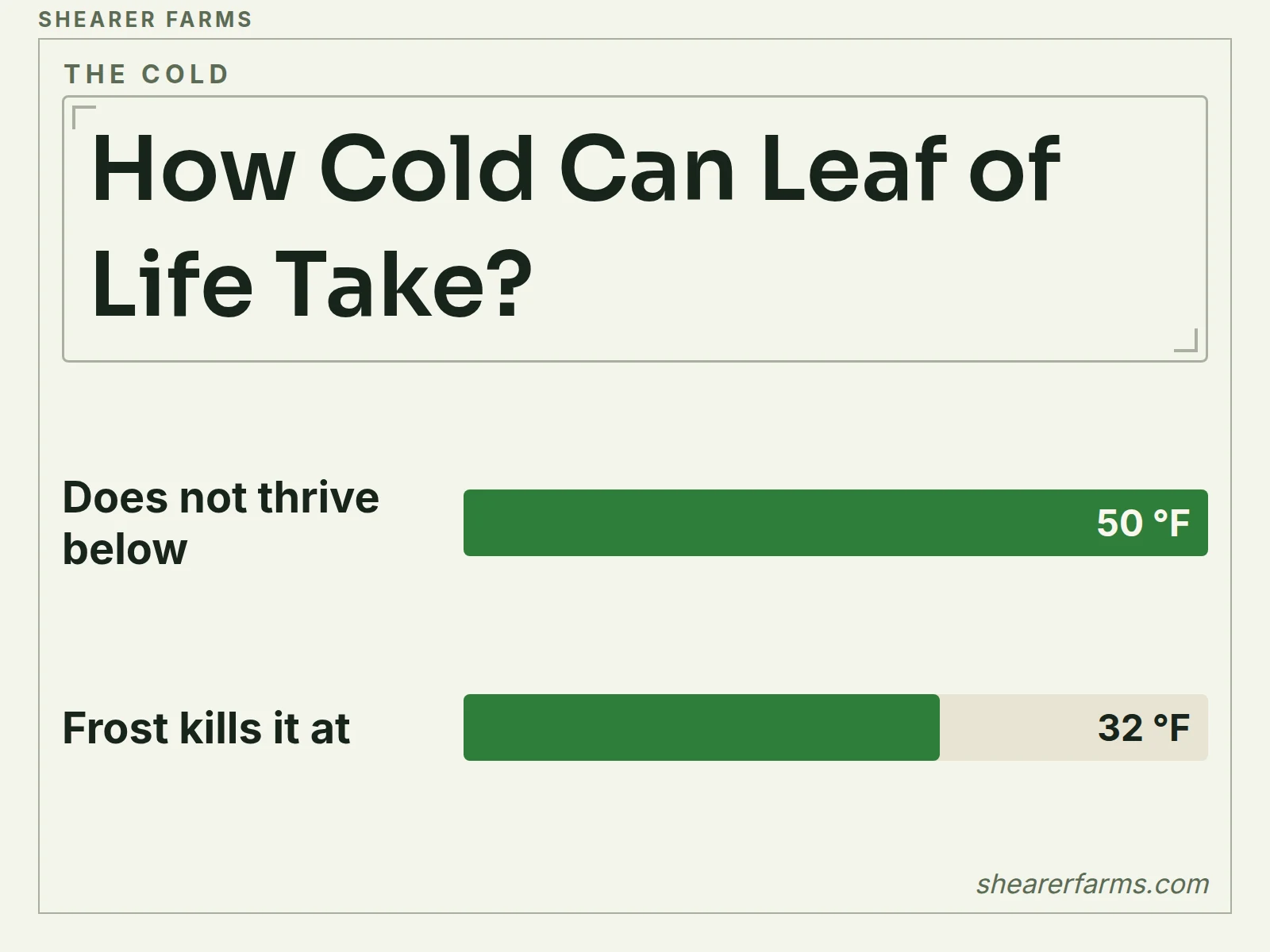
Kerrville gets frost, so the plan is a pot on the porch from spring to fall and a spot indoors for the winter. A plant in a container moves where the weather asks it to, and it can wait out a norther by the back door.

What about the freeze that arrives early and unannounced? Watch the forecast in November and March, and bring the pot in the day before any night that might touch 40 degrees, which leaves a margin before 32.
Can it live in the ground in Kerrville all year? No. Frost kills it, and a plant in the ground cannot be carried to the porch, so ground planting belongs to zones 10 and 11 and not to the Hill Country. Can a pot stay out through a mild winter? Only on the nights when the thermometer stays well above 50 degrees, and a plant that sits outside on a cool, damp night will tell you about it a week later with soft, dark leaves.
Heat is a different story. The plant came from a warm island, so a Texas summer does not bother it as long as the soil is dry between waterings and the pot is not baking in reflected heat. Keep the pot off hot concrete in July and August, where a dark container can cook the roots.
Light and Where to Put It
A succulent leaf does its job in bright light. Outdoors, a spot that gets full morning sun and some afternoon shade is the kind of place it likes, because the hottest summer afternoons scorch a leaf that has been indoors. Inside, give it the brightest window you have, a south or west window, or a spot with strong indirect light.
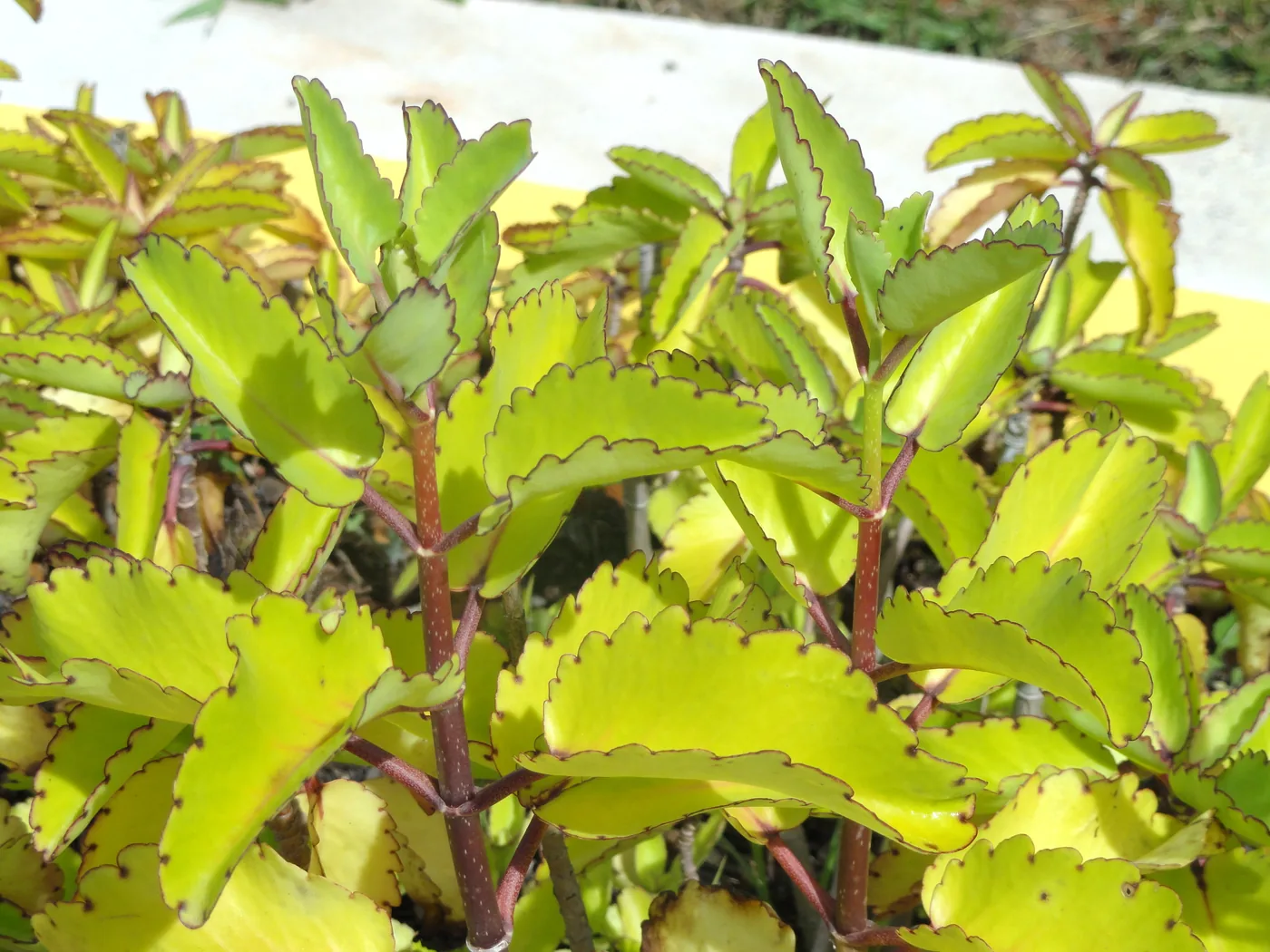

You can read the plant's mood in its stem. A plant that stretches, with long gaps between leaves, is asking for more light. Move it closer to the window or out under a porch roof where it gets more sky.
Soil and Containers
Drainage is the rule that matters most. A succulent root sitting in wet soil rots, and the plant looks fine until the stem turns soft and falls over. Use a gritty cactus and succulent mix, or make one by mixing regular potting soil with coarse sand and perlite until a handful falls apart when you squeeze it.
- Choose a pot with a drainage hole in the bottom, always.
- Choose terracotta if you tend to overwater, because the clay breathes and dries faster than plastic.
- Size the pot to the plant, with room for an inch or two of new root and no more.
- Set the pot on a saucer or on feet so water leaves instead of pooling.
- Skip the decorative pot with no hole, or keep the plant in a plain pot inside it and pour the water off.
The pot itself matters more than most people expect, so here is how the common kinds compare.
| Pot | What it does | Our advice |
|---|---|---|
| Terracotta | Clay breathes, so the mix dries faster | Best for anyone who tends to overwater |
| Plastic | Holds water longer and weighs less | Fine if the mix is very gritty and you water less |
| Glazed ceramic | Holds water and is heavy | Check the drainage hole, and use feet under it |
| Decorative pot without a hole | Traps water at the bottom | Use it only as a cover for a plain pot |
A pot also does something an in-ground plant cannot: it keeps the plant exactly where you put it. That matters here because leaf of life spreads on its own, and a container is the simplest fence.

Repot into fresh mix every year or two, in the warm months, and take the chance to look at the roots. Healthy roots are pale and firm, and rotted ones are brown and mushy, which is the signal to cut them away and let the plant dry for a few days before it goes back into dry mix.
Starting From Plantlets and Cuttings
This is the easy part. The plantlets along a leaf edge are miniature plants, with their own leaves and short roots, and they drop when they are ready.
- Choose a plantlet that has two or more small leaves, or lay a whole leaf on potting mix and let the notches produce their own.
- Press the plantlet into a pot of gritty mix, roots down, with the soil just covering the roots.
- For a stem or leaf cutting, let the cut end dry on a paper towel for 3 to 5 days so it can seal.
- Set the dried cutting on or just under the surface of the mix.
- Water lightly after a week, and then let the soil dry between waterings.
Within a few weeks a new plant stands where the old leaf lay. A leaf that never touches soil can still grow plantlets, which is why a leaf on a windowsill sometimes surprises you.
You have four ways to make a new plant, and each suits a different moment.
| Method | What you do | Best for |
|---|---|---|
| Plantlet | Pot a miniature plant from a leaf edge | The fastest and surest way to a new plant |
| Whole leaf on mix | Lay a leaf on gritty mix and wait for the notches to sprout | Making several plants from one leaf |
| Stem cutting | Let the cut dry 3 to 5 days, then set it in mix | Rescuing a plant that stretched or rotted at the base |
| Seed | Scatter fine seed on the surface of the mix | Not needed, because the plant seeds itself too freely |
Most households never need more than the first two, since a single healthy plant makes more plantlets than a household can use.
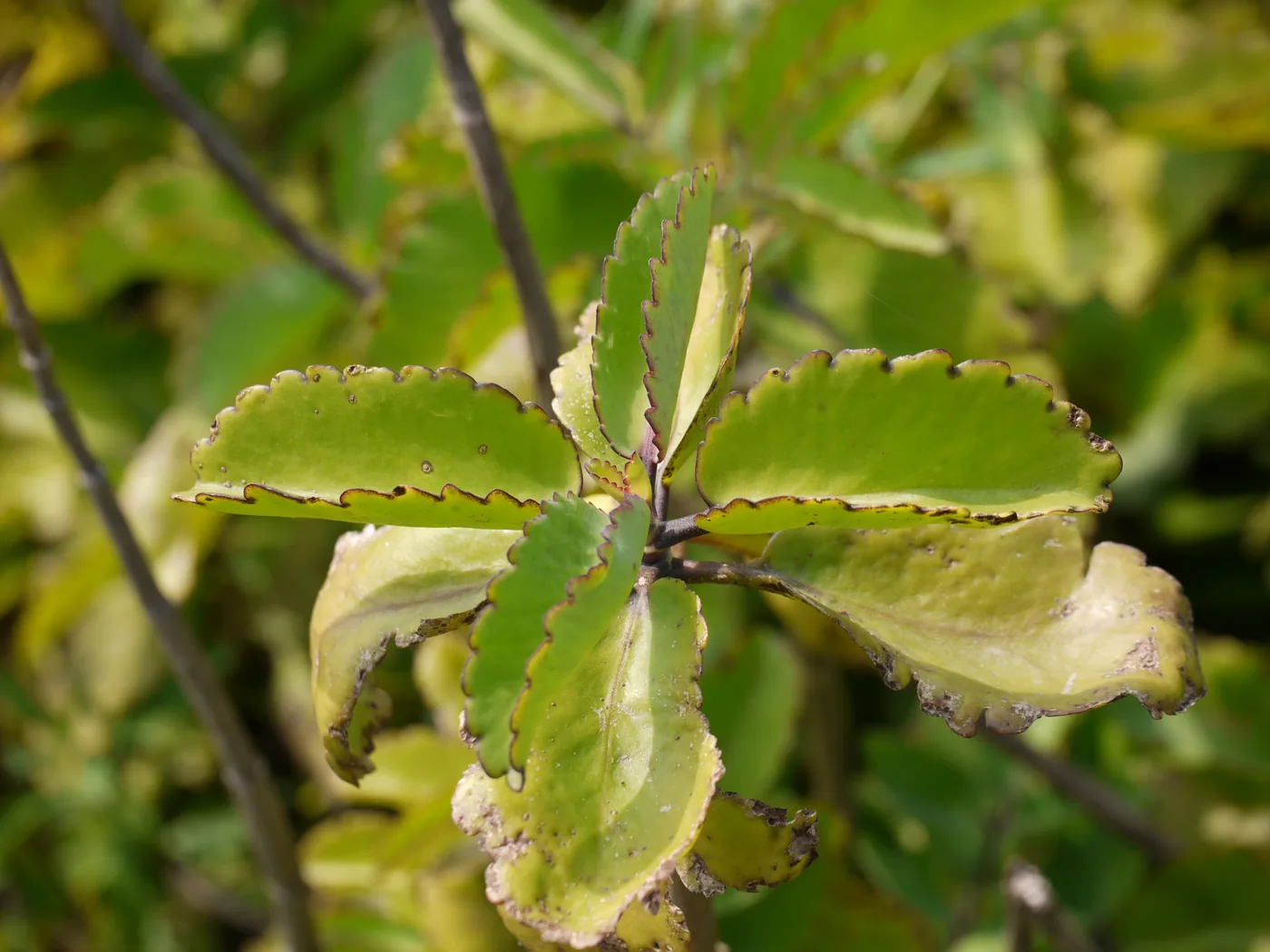

Label each new pot with the date, and keep the first few in a bright spot out of direct sun until they have rooted and started to stand up on their own.
Variants Worth Growing
People ask three things before they buy a plant: which one gives the most, which one holds the most of the compounds they want, and which one stands the cold best. For leaf of life the answers are short, and one of them is a warning.
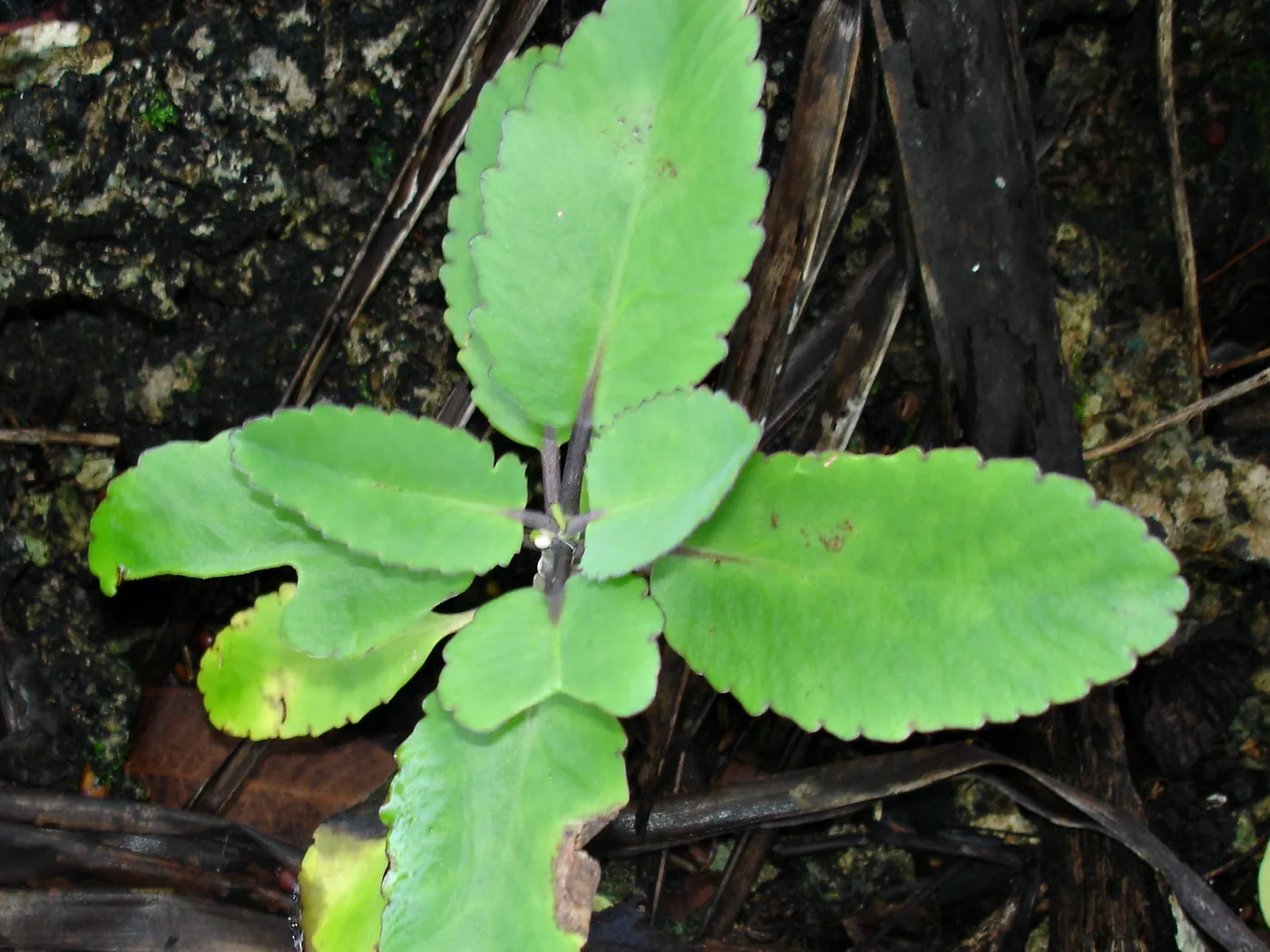

Read each row for the reason as well as the name, because the reason tells you whether it holds in your own yard.
| Question | Variant | Why |
|---|---|---|
| Top Yielding | The ordinary green Bryophyllum pinnatum (Kalanchoe pinnata) | A mature leaf sets a plantlet in the notches along its edge, so one healthy plant gives dozens of copies a season. Its relatives that make plantlets even faster are other species with other chemistry and are not covered here. |
| Highest In flavonoid glycosides | Young, fully lit leaves of the plain green plant | Flavonoids dominate the hot-water and watery-ethanol extracts of fresh leaf, with quercetin and kaempferol glycosides among the main ones. We found no named cultivar compared for flavonoids, so the choice is the leaf and not a variety. |
| Highest In bufadienolides | Young leaves, and the relative Kalanchoe daigremontiana | In a 2020 comparison of three Kalanchoe leaves, K. daigremontiana held the highest total of these heart-active steroids. They are the poison in this group, so this row is a reason to keep that plant away from animals and children and not a reason to grow it. |
| Hardiest | The plain green Bryophyllum pinnatum, grown in a pot | It is a tropical succulent that does not take a hard freeze, so its hardiness comes from the pot that goes indoors in winter. The Climate and Cold section gives the temperatures. |
For most growers the answer is the same plant in all three rows: the plain green one, in a pot, with its flavonoid-rich young leaves and its plantlets. The row on bufadienolides is information for safety.
Growing For Clones and Leaf
Leaf of life is grown for two things, copies of the plant and its leaf. The plant makes clones by itself: each notch on the edge of a mature leaf grows a tiny plantlet that drops and roots. Growing for clones means a healthy, well-lit mother plant and a place for the plantlets to land.
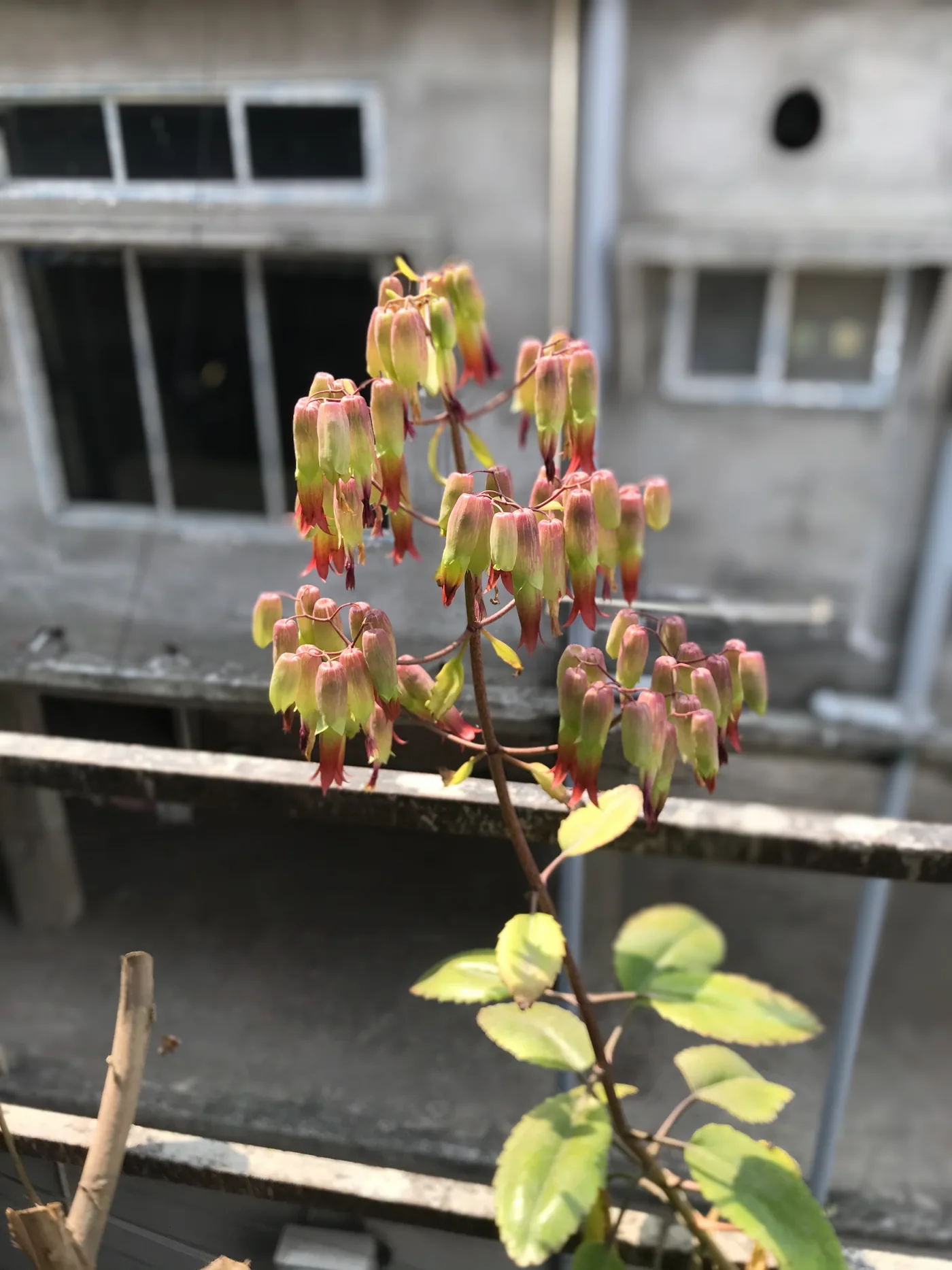

Light and temperature. Bright light with shade from the hottest afternoon sun keeps the leaves thick and the plantlets coming. A plant held in dim light stretches, makes thin leaves and few plantlets. Keep it above frost and move the pot inside before the first freeze.
Soil and water. Use a fast-draining mix in a pot with a drainage hole and water only when the mix has dried. The leaf stores water, so soggy soil rots the stem long before it helps growth. Feed lightly, because a heavily fed plant makes soft leaves.
Spacing and pots. Leave room for the plantlets to drop and root in the same pot, then lift them out at two or more small leaves and pot them one by one. A crowded pot makes plantlets that compete and stay small.
Pruning and propagation. Cut the flower stalk when it appears if you want the plant to keep its energy in leaves and plantlets. A stem cutting roots as easily as a plantlet, so a leggy plant can be cut back and every piece started again.
Harvest timing. For leaf, harvest young leaves sparingly and only what you will use that day, because a cut leaf goes bad within a day. The young leaf is the richest in flavonoids and also in the heart-active compounds, which is why the safety section governs what is done with it.
If you want flower or seed instead of clones, the advice changes: leave the flower stalk alone and keep the plant a little drier and cooler through the dormant months. Seed is a slow way to get plants, because the plantlets are exact copies and arrive in far greater numbers.
How cold press extraction uses mechanical pressure to expel oils from seeds and plant material.
For a More In-Depth Read, Click HerePotting Up
When a plantlet has filled its small pot with roots, move it to a pot one size up. Do it in the warm months, when growth is quick and a root disturbed today has time to settle.
Handle the plant by the base of the stem and not by the leaves. A leaf can snap off, and a snapped leaf will start a new plant if it lands on soil, so there is no waste, only a mess.
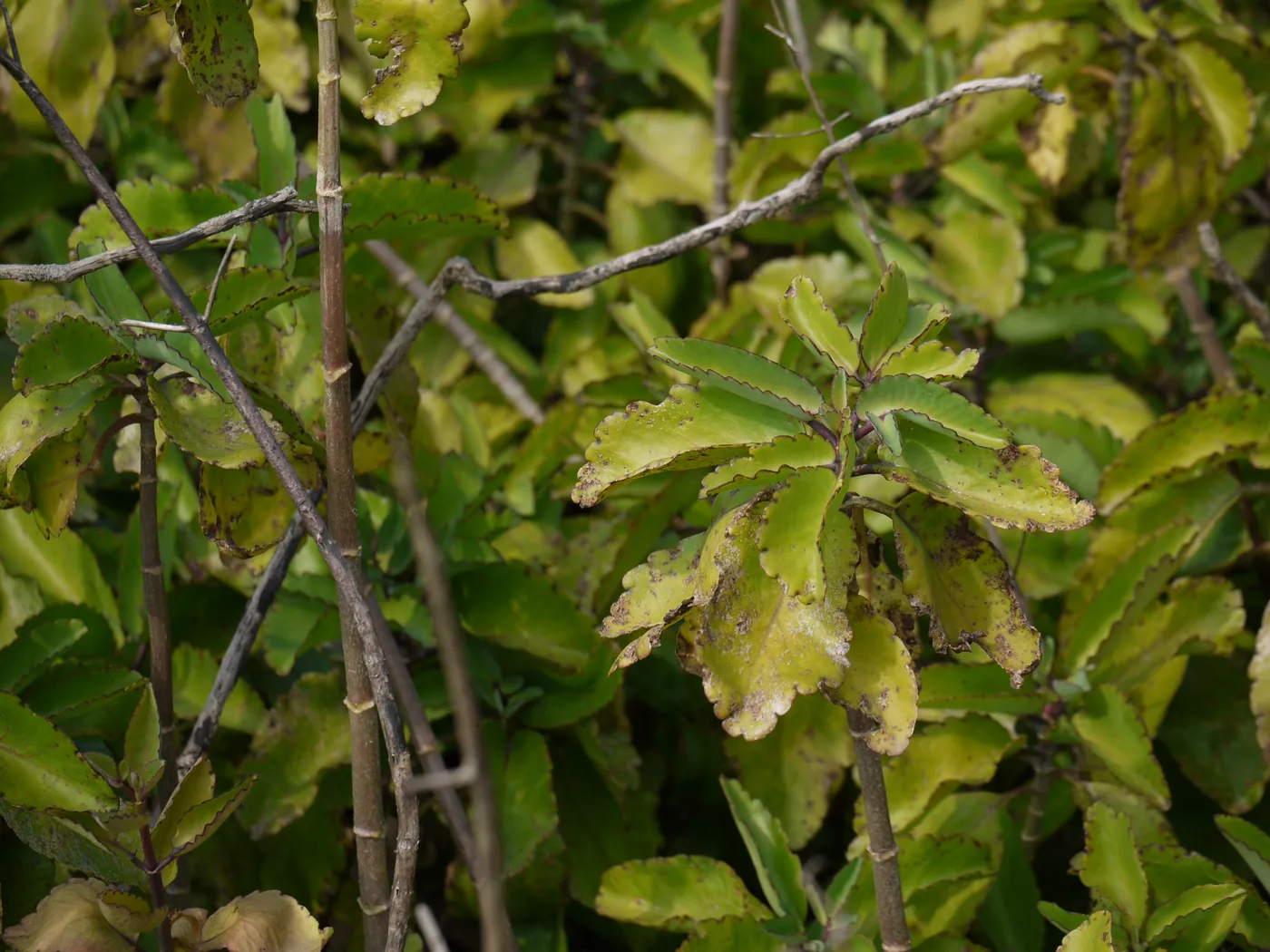

Wear gloves for this job, because the sap can irritate skin and the plant is poisonous when eaten.
Water, Mulch and Feeding
Water deeply, then wait. During the growing season, soak the pot until water runs from the bottom, and do not water again until the top inch or two of the mix is dry. A finger pushed into the soil is a better gauge than a calendar.
In winter the plant slows down and needs far less. A watering two or three times a month is enough indoors, and a plant that is given more than that will tell you with a soft, dark stem.
- Water thoroughly in spring and summer, then let the soil dry out.
- Cut back to two or three waterings a month in winter.
- Never leave the pot standing in a saucer of water.
- Skip mulch on a potted plant. A wet blanket against the stem invites rot.
- If the lower leaves go yellow and soft, stop watering for two weeks and check the roots.
We give no feeding rate because a succulent in a gritty mix does not call for much, and a plant that is growing well in bright light is already getting what it needs.
The rhythm shifts with the season, and a short table keeps it straight.
| Season | Watering | What to watch |
|---|---|---|
| Spring | Soak, then let the top inch or two dry | New growth, and nights that stay above 50 degrees |
| Summer | Soak, then let the top inch or two dry | Scorched leaves in hot afternoon sun |
| Fall | Taper off as days shorten | The first forecast frost |
| Winter | Two to three waterings a month | Soft stems, which mean too much water |
If you only remember one line from that rhythm, make it this one: when in doubt, wait another few days.

A pot that feels light when you lift it is a pot that wants a drink, and a pot that feels heavy a week after watering is telling you the roots are sitting in too much.
Bringing It In for Winter
A Kerrville winter does not ask politely. Move the pot indoors before the first frost, wipe the leaves, check the soil surface for pests, and set it by your brightest window.
The plant rests through the cold months. It may drop a few lower leaves, which is normal, and it may stretch a little toward the glass. Keep it away from a heating vent and a drafty door, and keep the watering to a trickle.

In spring, when nights stay above 50 degrees, set the pot outside for a few hours a day in shade and add an hour or two each day, so the leaves harden to the sun before the plant takes it all.
A Year With the Plant
A Texas year with a potted leaf of life moves in four steps, and each one has a job.
| Season | Where the pot lives | The job |
|---|---|---|
| Spring | Outside by day, in at night until nights stay above 50 degrees | Harden the leaves, repot, start plantlets |
| Summer | A porch with morning sun and afternoon shade | Soak and dry, and pull any volunteer |
| Fall | Inside before the first frost | Cut off any flower stalk, check for pests, taper the water |
| Winter | The brightest window, away from vents | Water two or three times a month |
Write the first and last frost dates of your own yard on the calendar once, and the rest of the year follows them.
Flowers
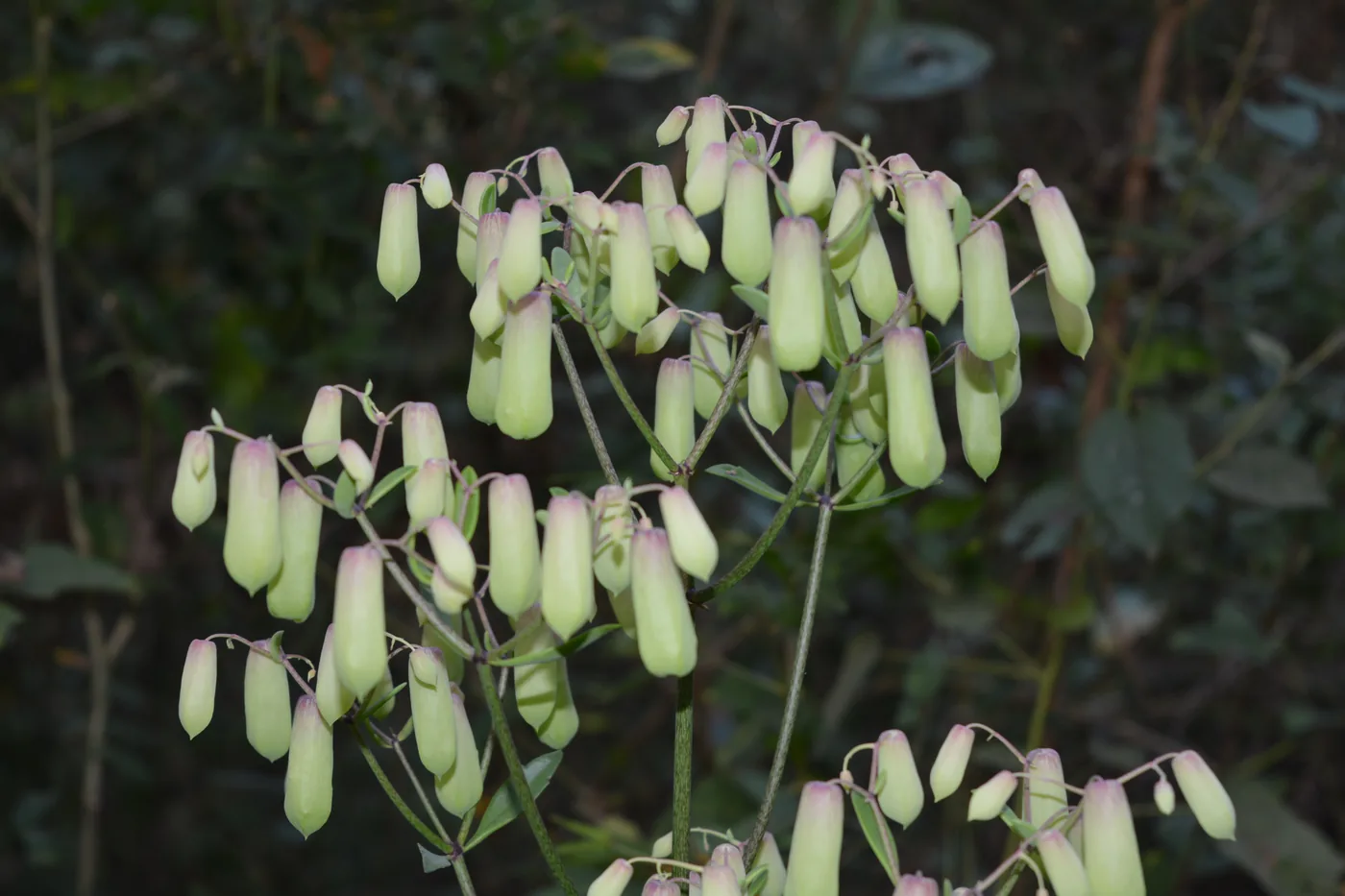
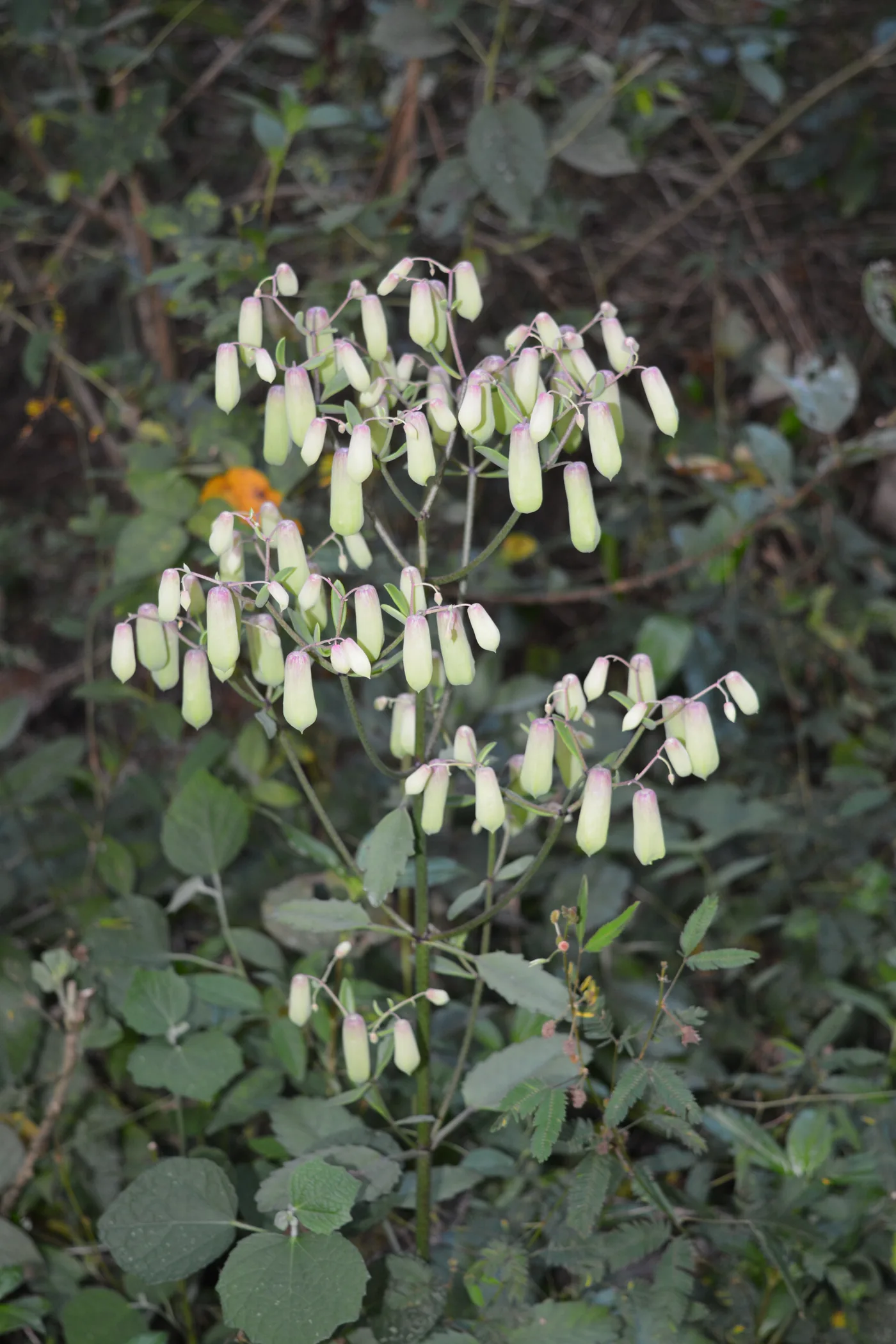
A mature plant that gets bright light and a cool, dry rest in winter sends up a tall stalk. The flowers hang in loose clusters, and the stalk can stand several feet above the leaves.
The flower heads are also the most toxic part of the plant, about five times more toxic than the leaves and stems. If cattle or dogs live anywhere near your yard, cut the stalk off as soon as the buds form and drop it into the trash, and wear gloves to do it.

A plant that loses its flower stalk to the shears does not mind. It puts the energy back into leaves and plantlets.
Keeping It From Spreading
Every plantlet is a seed with a head start. When it falls from the leaf, it roots where it lands, and the plant also sets seed that can stay in soil for years. In warm places such as Hawaii it has escaped gardens and been counted as invasive.
- Keep the plant in a pot, on a patio or porch, and never plant it at the edge of a pasture.
- Sweep up fallen leaves and plantlets under the pot, because each one roots.
- Check the ground around the pot every few weeks in warm months.
- Pull any volunteer by hand and bag it, then watch the spot for follow-up plantlets.
- Never dump trimmings in a pasture, a creek bed or a compost pile that livestock can reach.
A plant that cannot be killed by dryness is hard to kill by neglect, which is a good reason to be strict about where it lives from the start.

If a volunteer does turn up in the ground, pulling it by hand works for a small patch, but every detached plantlet can start a new plant, so go back to the spot a few weeks later and look again. Dead plants stay toxic, so a pulled plant goes in a bag, not onto a pile.
Livestock, Pets and Children
This is the section a ranch family should read twice. The plant carries bufadienolides, cardiac glycosides that act on the heart much like the drug digoxin. The best known case is cattle: two calves died within about 48 hours after eating the plant, with staggering and severe arrhythmia, and about 5 kilograms of a heavy infestation is enough to kill an adult cow. Sheep are on the list too. The flower heads carry the most toxin.
Dogs and cats are at risk. The plant is listed as toxic to both, with vomiting and diarrhea the usual signs and, after a large amount, a change in heart rate and rhythm, and dogs appear to be especially sensitive. Poisoning builds over several days when animals nibble at it, so a plant a pet nibbles every afternoon can add up.

The risk is not the same for every animal, and a short list makes the differences clear.
| Who | What is known | What to do |
|---|---|---|
| Cattle | Deaths documented, with staggering and severe arrhythmia | Keep the plant out of pasture, and call a vet at once |
| Sheep | On the list of animals that can be poisoned | Treat it as you treat cattle |
| Dogs | Listed as toxic and especially sensitive to the heart effects | Keep pots out of reach, and call a vet after any chewing |
| Cats | Listed as toxic, with vomiting and diarrhea | Keep pots out of reach |
| People | No safe preparation is documented | Do not eat it, and keep children away |
What does a poisoning look like on the ranch? After a large meal, livestock can die suddenly of heart failure. After small amounts over several days, you may see diarrhea, sometimes bloody, along with drooling and dribbling urine before the end. Animals that ate only a little and show little heart damage can recover slowly, and the risk is highest when stock are moved to a new paddock or feed is short.
What should you do about it? Treat the plant as you would treat a chemical in the barn.
- Keep every pot on a high shelf, a porch rail inside a closed porch, or a room animals cannot enter.
- Keep fresh trimmings out of the reach of cattle, sheep, goats, dogs and cats.
- Teach children not to chew leaves, flowers or stems.
- Call your vet or poison control at once if an animal or a child may have eaten any of it.
Treatment for livestock has to start within the first day, because heart function falls sharply after that, and sudden death after a little exertion is a documented sign.
Planning the Spot Before the Plant Arrives
Most of the trouble with this plant comes from where it was put, not from how it was grown. A pot set on a low step beside a pasture gate is a problem on day one, and a pot on a high shelf beside a bright window is not, even though the plant is exactly the same.
Walk the property with four questions. Which animals, cattle, sheep, goats, dogs or cats, move through the area in a normal day? Think about the children as well, and about the January frost, and last about the window that gives the plant the light it needs. A good spot answers all four, and a spot that fails any one is the wrong spot.
| Question | A good answer | A bad answer |
|---|---|---|
| Can animals reach it? | A high shelf, a closed porch or a room they cannot enter | A low step, a fence line or the edge of a paddock |
| Can children reach it? | Out of reach, with the rule explained | Table height in a play area |
| Does frost reach it? | Under cover, or a pot that moves indoors before the first frost | An open bed that cannot be covered |
| Does it get enough light? | Bright light without scorching midday sun | A dim corner where it stretches and rots |
Once the spot is chosen, mark it. A tag in the pot that names the plant and says that it is poisonous when eaten helps a visitor, a new hand or a babysitter who never read this guide.
Keeping Records of Your Plants
A few lines in a notebook make the next season easier. Write down the date each plantlet was potted, the date each pot went indoors and came out again, and any leaf that dropped or rotted. After a year, the notes show you which spot suited the plant and which one only seemed to.
- The date and place of every new pot.
- The date of the first and last frost that year, and the night the pots moved.
- Any plantlet that escaped into a bed, and the day it was pulled.
- Any animal or child that chewed on the plant, and who was called.
The last line matters most. If something goes wrong, the notebook tells the vet or poison control exactly what was eaten and when, and treatment for this poison depends on starting within the first day.
Harvest
Harvest leaves only if you have a reason to, and wear gloves when you do. Take mature leaves from the lower half of the plant with a clean knife, leave the growing tip and every flower stalk alone, and wash your hands and tools afterward. Young leaves carry more of the heart-active compounds than old ones, which is one more reason to take older leaves.
A leaf that is cut or snapped goes bad within a day, so harvest only what you will use that day. Anything you do not use should go to the trash, not into a pasture or a pet's reach.
- Put on gloves and eye protection, and move any pet or child out of the room.
- Choose a mature leaf from the lower half of the plant, firm and unmarked.
- Cut it at the base with a clean knife, leaving the stalk on the plant.
- Leave the growing tip and every flower stalk on the plant, or cut the stalk off and bag it.
- Wash the knife, the cutting board and your hands with soap and water.
- Bag any scraps and trash them where animals cannot reach.
A plant that is cut this way heals quickly and keeps growing, because a succulent does not mind losing a lower leaf.

The question of what to do with a leaf once it is harvested is answered in full by the extraction guide on our partner site, with the cautions that come with every step. That guide also explains why we do not write a dose for any leaf preparation.
Our partner website, Pure Extracts
Leaf of Life (Bryophyllum pinnatum) Extraction Guide: Juice, Tincture and Flavonoids
Make leaf of life (Bryophyllum pinnatum, Kalanchoe pinnata) extracts: freeze-dried juice, filtered juice with a nonpolar solvent.
Safety
Everything above comes down to one fact: this plant is poisonous. The bufadienolide compounds, bersaldegenin esters, bryophyllin A and the bryotoxins, inhibit the sodium-potassium pump in heart cells. For kitchen preparations nothing is documented in a person, and cattle are the documented case.
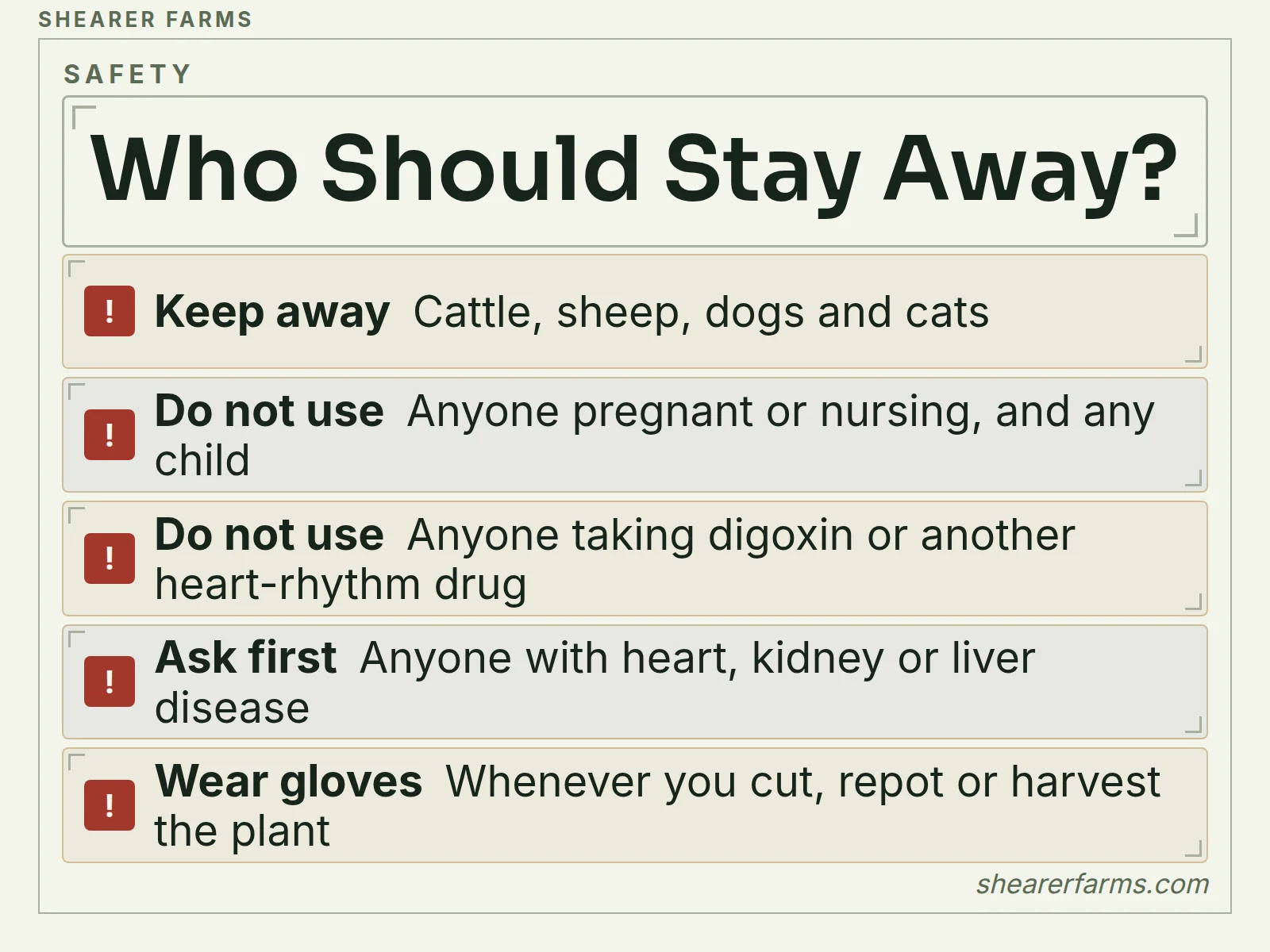
The plant has also been used for centuries at home, and a monograph on that use states that it is not for use in pregnancy, while breastfeeding, or in children. Nothing documents its safety for any of the three. Nobody has tested it beside digoxin, so anyone taking digoxin or another heart-rhythm drug should stay away from it altogether.
What to do
These habits keep a family and a farm comfortable around the plant.
- Wear gloves when you repot, prune, cut the flower stalk or harvest a leaf.
- Keep every pot where animals and young children cannot reach it.
- Wash your hands and tools with soap and water after handling.
- Bag and trash trimmings, flower stalks and fallen plantlets.
- Call a doctor, a vet or poison control right away after any swallowing, and name the plant as Bryophyllum pinnatum.
- Talk to a clinician before using it in any way if you have heart, kidney or liver disease.
The clinician matters most for anyone on a heart drug, and for anyone expecting a baby.
What not to do
Each item here is a place where a family has gotten hurt or a farm has lost an animal.
- Keep cattle, sheep, goats, dogs, cats and children from chewing on any part of the plant.
- Leave it out of pastures, creek banks and the edge of a stock tank.
- Do not give it to anyone who is pregnant or nursing, to a child, or to anyone taking digoxin or another heart medicine.
- Eating or drinking a preparation of it as a treatment is off the table, and so is promising anyone that it treats a disease.
- Trimmings stay out of reach of animals, because a dead plant stays toxic.
- Medical care comes first, and this plant is no substitute for it.
If you remember one thing, make it this: a plant that grows from a fallen leaf is a plant you have to plan around.
Troubleshooting
Most problems with leaf of life come down to water and light, and the usual ones fit in a list.
| What you see | The usual cause | What to do |
|---|---|---|
| A soft, dark stem and yellow lower leaves | Overwatering and root rot | Stop watering, unpot, cut away rotted roots, repot in dry gritty mix |
| Long gaps between leaves | Too little light | Move the plant to a brighter spot |
| Brown or black leaves after a cold night | Frost or chill | Trim the damage and bring the pot inside before the next cold night |
| Scorched, pale patches on the leaves | Hot afternoon sun after time indoors | Shade the plant at midday and harden it slowly |
| Volunteers around the pot | Plantlets and seed fell | Pull and bag them, then keep checking the spot |
| A leaf that will not root | Cut end still wet | Let it dry 3 to 5 days and try again on dry mix |
If a problem is not on the list, check the drainage hole, the soil moisture and the temperature of the past week before you reach for any spray.

Keep a short note for each pot with the date it was potted, the date it was last watered and any change you made. A plant that is struggling is easy to fix when the notebook says what changed, and nearly impossible to fix when nobody remembers.
Complete damiana cultivation guide covering Turnera diffusa botany, semi-tropical growing, apigenin and arbutin chemistry.
For a More In-Depth Read, Click HereReferences
- Phytochemistry of Kalanchoe pinnata leaves: flavonoids dominate hot-water and ethanol-water extracts of fresh leaf, Pharmaceutical Biology (2018).
- Bufadienolides in Kalanchoe daigremontiana, K. pinnata and K. blossfeldiana leaves, Pharmaceutical Biology (2020).
- Wikipedia, Kalanchoe pinnata: leaf size, flowers, plantlets, range from sea level to 8,500 feet, cannot survive hard frost, does not thrive below 50 degrees F, calf poisoning, invasive in Hawaii.
- World of Succulents, Kalanchoe pinnata: care, light, soil and watering.
- University of Florida IFAS Extension, Kalanchoe care (FP309): light, soil, watering.
- Old Farmer's Almanac, Kalanchoe: propagation and care.
- NSW Department of Primary Industries, Mother of millions: livestock and pet toxicity, flower heads five times more toxic, spread by plantlets and seed, control.
- TRAMIL, Bryophyllum pinnatum monograph: toxicity tests, cattle deaths, not for pregnancy, breastfeeding or children.
- ASPCA, Kalanchoe: toxic to dogs and cats, bufadienolides.
- PROSEA, Bryophyllum: bufadienolides, cattle and sheep poisoning.
- Quantification of bufadienolides in Bryophyllum leaves and press juice by UHPLC-MS/MS, Planta Medica (2015): young leaves hold more.
Common questions
What is leaf of life?
Some plants make you work for every inch. This one makes a new plant out of a leaf that fell on the floor. Leaf of life, Bryophyllum pinnatum , grows tiny plantlets along the notches of its thick leaves, and each plantlet drops, roots and starts over. That habit is why it is one of the easiest succulents to multiply, and why it has to be handled with some respect on a working farm. We are a family farm in Kerrville, Texas, where everyone pitches in, and this guide is written for a Texas yard: a plant that hates frost, loves a pot, and needs a spot that cattle, dogs and children cannot reach.
How do I grow leaf of life?
Picture a thick, scalloped, oval leaf the color of a pea pod, sometimes blushed with red. The lower leaves are simple. The upper leaves are divided into three to five pairs of lobes, and a full leaf runs 4 to 12 inches long. When the plant blooms it sends up a stalk of hanging, tube-shaped flowers, the tube reaching about 2 inches, yellowish with red-purple streaks, with eight stamens inside. Those flowers arrive in clusters of dozens, and they turn the plant into something worth looking at from across a yard.
What climate does leaf of life tolerate?
Here is the fact that decides everything in Texas. Leaf of life does not survive a hard frost, and it does not thrive when temperatures sit below 50 degrees F. Outdoors in the ground it belongs to USDA zones 10a through 11b, the warmest corner of the map. Kerrville gets frost, so the plan is a pot on the porch from spring to fall and a spot indoors for the winter. A plant in a container moves where the weather asks it to, and it can wait out a norther by the back door.
What soil does leaf of life need?
Drainage is the rule that matters most. A succulent root sitting in wet soil rots, and the plant looks fine until the stem turns soft and falls over. Use a gritty cactus and succulent mix, or make one by mixing regular potting soil with coarse sand and perlite until a handful falls apart when you squeeze it. Choose a pot with a drainage hole in the bottom, always. Choose terracotta if you tend to overwater, because the clay breathes and dries faster than plastic.
How do I propagate leaf of life?
The plantlets along a leaf edge are miniature plants, with their own leaves and short roots, and they drop when they are ready. Choose a plantlet that has two or more small leaves, or lay a whole leaf on potting mix and let the notches produce their own. Press the plantlet into a pot of gritty mix, roots down, with the soil just covering the roots. For a stem or leaf cutting, let the cut end dry on a paper towel for 3 to 5 days so it can seal. Set the dried cutting on or just under the surface of the mix.
What is potting up?
When a plantlet has filled its small pot with roots, move it to a pot one size up. Do it in the warm months, when growth is quick and a root disturbed today has time to settle. Handle the plant by the base of the stem and not by the leaves. A leaf can snap off, and a snapped leaf will start a new plant if it lands on soil, so there is no waste, only a mess. Wear gloves for this job, because the sap can irritate skin and the plant is poisonous when eaten.
How much water does leaf of life need?
During the growing season, soak the pot until water runs from the bottom, and do not water again until the top inch or two of the mix is dry. A finger pushed into the soil is a better gauge than a calendar. In winter the plant slows down and needs far less. A watering two or three times a month is enough indoors, and a plant that is given more than that will tell you with a soft, dark stem. Water thoroughly in spring and summer, then let the soil dry out.
What is bringing it in for winter?
A Kerrville winter does not ask politely. Move the pot indoors before the first frost, wipe the leaves, check the soil surface for pests, and set it by your brightest window. The plant rests through the cold months. It may drop a few lower leaves, which is normal, and it may stretch a little toward the glass. Keep it away from a heating vent and a drafty door, and keep the watering to a trickle.
What is keeping it from spreading?
Every plantlet is a seed with a head start. When it falls from the leaf, it roots where it lands, and the plant also sets seed that can stay in soil for years. In warm places such as Hawaii it has escaped gardens and been counted as invasive. Keep the plant in a pot, on a patio or porch, and never plant it at the edge of a pasture. Sweep up fallen leaves and plantlets under the pot, because each one roots.
When should I harvest leaf of life?
Harvest leaves only if you have a reason to, and wear gloves when you do. Take mature leaves from the lower half of the plant with a clean knife, leave the growing tip and every flower stalk alone, and wash your hands and tools afterward. Young leaves carry more of the heart-active compounds than old ones, which is one more reason to take older leaves. A leaf that is cut or snapped goes bad within a day, so harvest only what you will use that day. Anything you do not use should go to the trash, not into a pasture or a pet's reach.
Is leaf of life safe?
Everything above comes down to one fact: this plant is poisonous. The bufadienolide compounds, bersaldegenin esters, bryophyllin A and the bryotoxins, inhibit the sodium-potassium pump in heart cells. For kitchen preparations nothing is documented in a person, and cattle are the documented case. The plant has also been used for centuries at home, and a monograph on that use states that it is not for use in pregnancy, while breastfeeding, or in children. Nothing documents its safety for any of the three.
Browse by topic
More guides to explore
 GrowingDragon Fruit Cultivation Guide
 ExtractionCold Press Extraction
 GrowingDamiana Cultivation GuideExtractionAbsinthe Wormwood Cultivation Guide
 GrowingCitronella Grass Cultivation Guide
 GrowingChamomile Cultivation Guide
 GrowingCats Claw Cultivation Guide
 GrowingCordyceps Mushroom Cultivation Guide
 GrowingAgarita Cultivation Guide
 GrowingAloe Vera Cultivation Guide
 GrowingAshwagandha Cultivation Guide
 GrowingBacopa Monnieri Cultivation Guide