Guides
Goji Berry (Lycium barbarum) Guide: Planting, Pruning, Harvest and Drying
How to grow goji berry (Lycium barbarum): sun, alkaline well-drained soil, heat and humidity cautions, spacing, trellis, pruning, harvest, drying and pests.
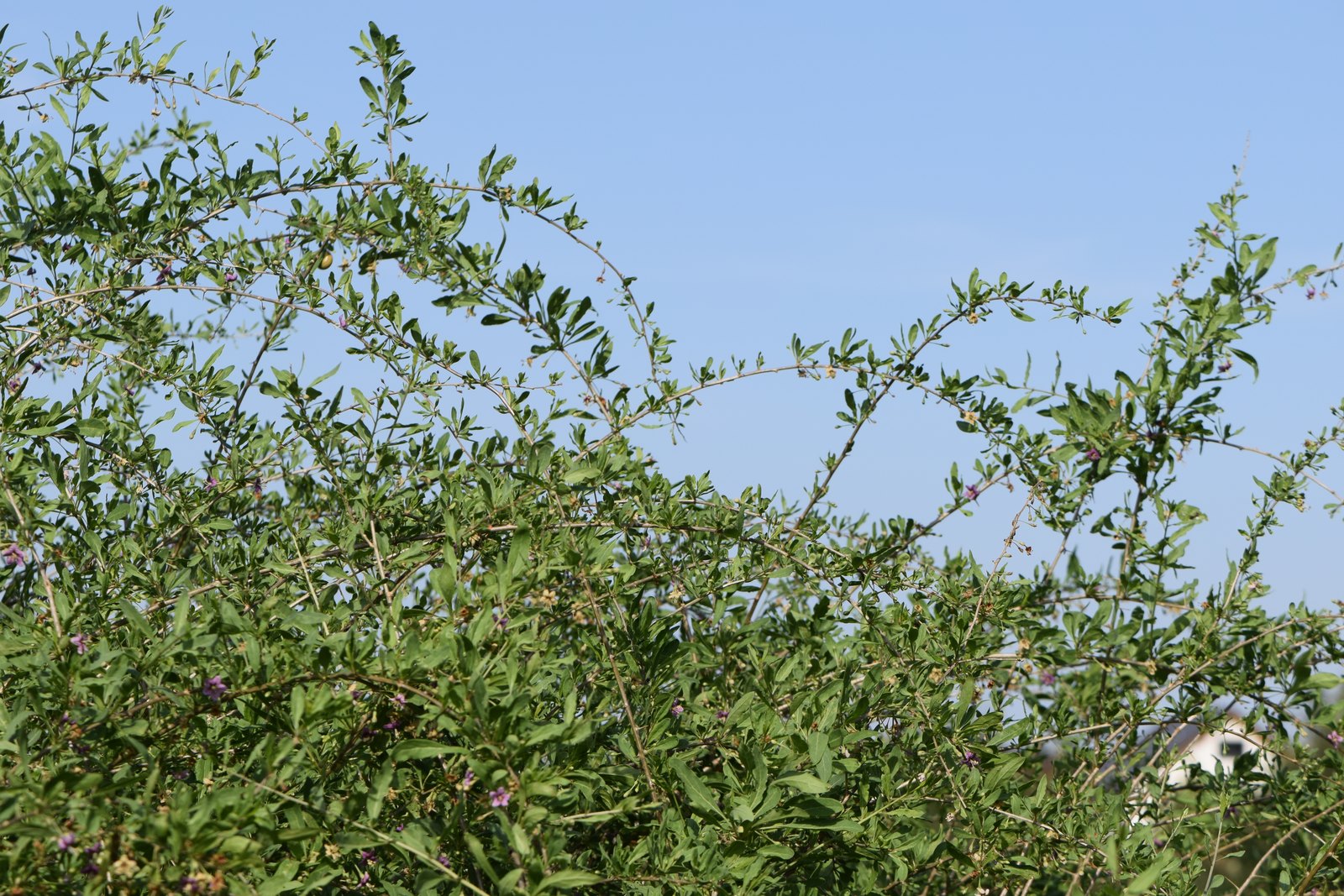
Photograph: Krzysztof Ziarnek, Kenraiz, CC BY-SA 4.0. Source: Wikimedia Commons

On this page
Introduction
Goji berry, also sold as wolfberry, is Lycium barbarum, a thorny deciduous shrub with weak, arching stems that grows 3 to 12 feet tall depending on how you prune it. It bears small purple flowers from late spring through summer, followed by bright orange-red berries that ripen from midsummer into fall. It is a close relative of tomato, pepper and eggplant, which tells you a lot about what it wants: sun, a well-drained soil and steady but not soggy water.
This guide covers the species Lycium barbarum. Lycium chinense is the other cultivated goji and is grown much the same way, and black goji, Lycium ruthenicum, is a separate plant with dark purple fruit that gets its own guide later. Here we cover the whole job in Texas terms: climate, heat and humidity, soil and pH, buying plants, planting, water, pruning, flowers, harvest, drying, pests and safety. The fruit is the part we grow for, and we give no directions for eating the leaves or bark.
Summary
- Sun: full sun, at least 8 hours in early summer. Afternoon shade helps where temperatures regularly top 85 degrees F.
- Soil: well drained, with a pH of about 6.8 to 8.1. Roots rot in soggy ground, so build a mound on clay.
- Spacing: 4 to 6 feet between pruned shrubs, 6 to 8 feet if you let them run on a trellis.
- Water: about 1 inch a week once established, and regular deep watering for the first one or two seasons.
- Pruning: in late winter before the buds break. Tip the new shoots in late spring.
- Time to fruit: first berries in year 2, full crop in years 3 to 5, and 2 to 6 pounds a plant at maturity.
- Care: the stems are spiny, so wear gloves. Goji can interact with warfarin and can cause allergic reactions.
Why does a plant from the dry northwest of China matter in a Texas garden? Because it likes the same things many Texas soils offer, which are plenty of sun, alkaline ground and tolerance of dry spells, and it dislikes the one thing Texas can supply in excess, which is wet feet.

The extraction side, what to do with the fruit once it is harvested, is on our partner website, and a link to it sits near the end of this guide.
Dragon Fruit Cultivation Guide
Complete guide to dragon fruit cultivation covering Hylocereus and Selenicereus species, climate requirements.
For a More In-Depth Read, Click HereWhat You Are Growing
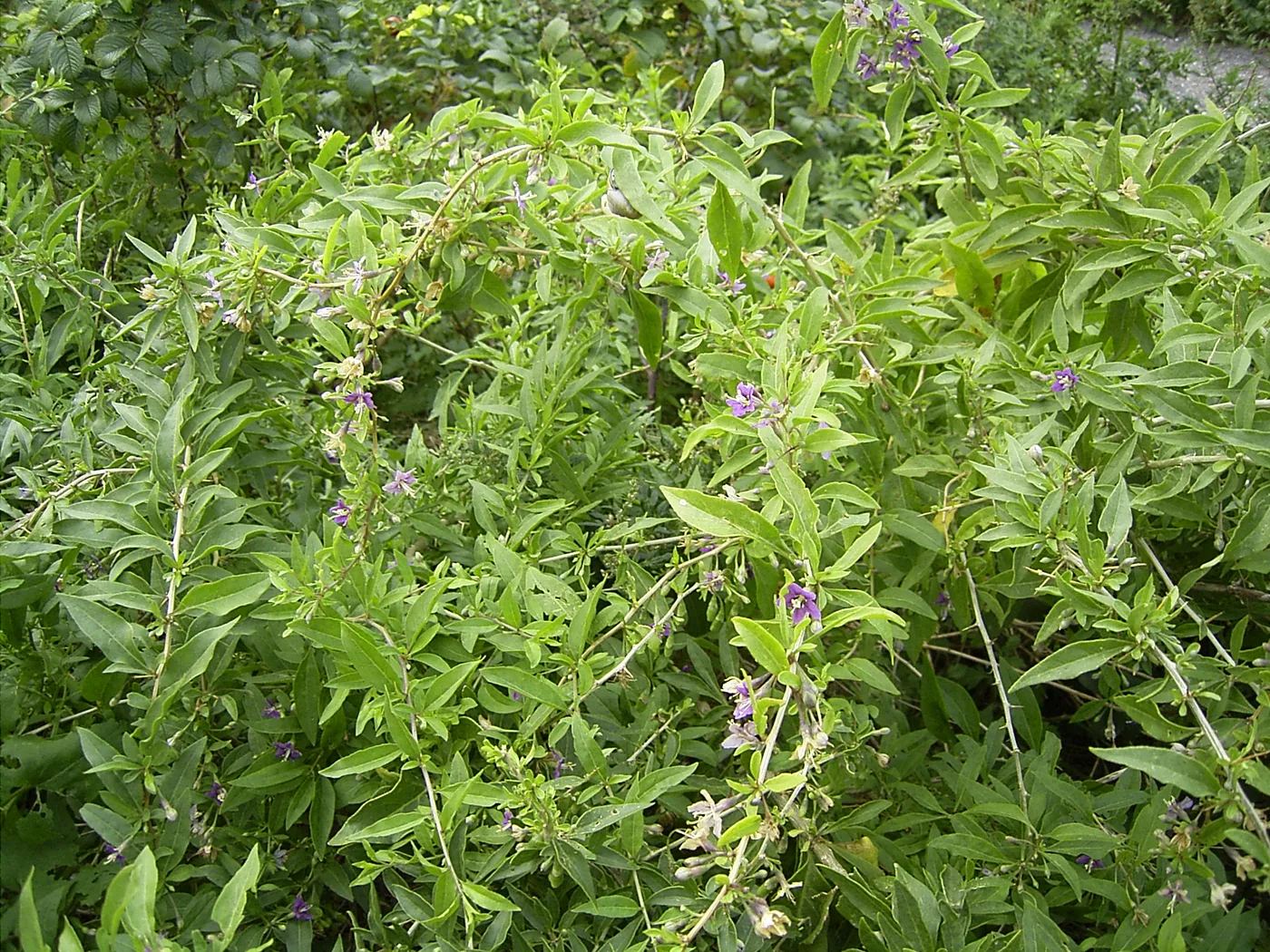
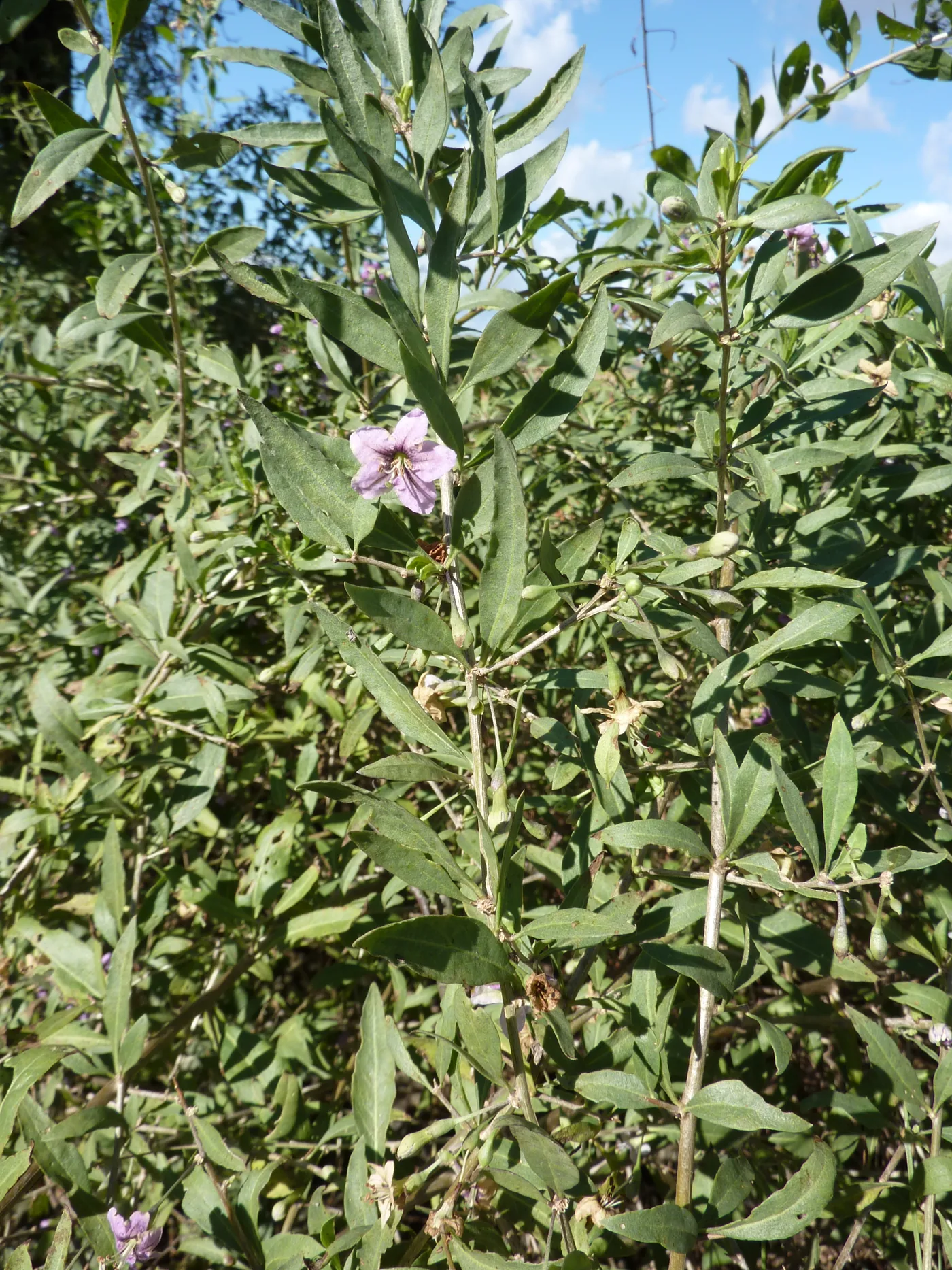
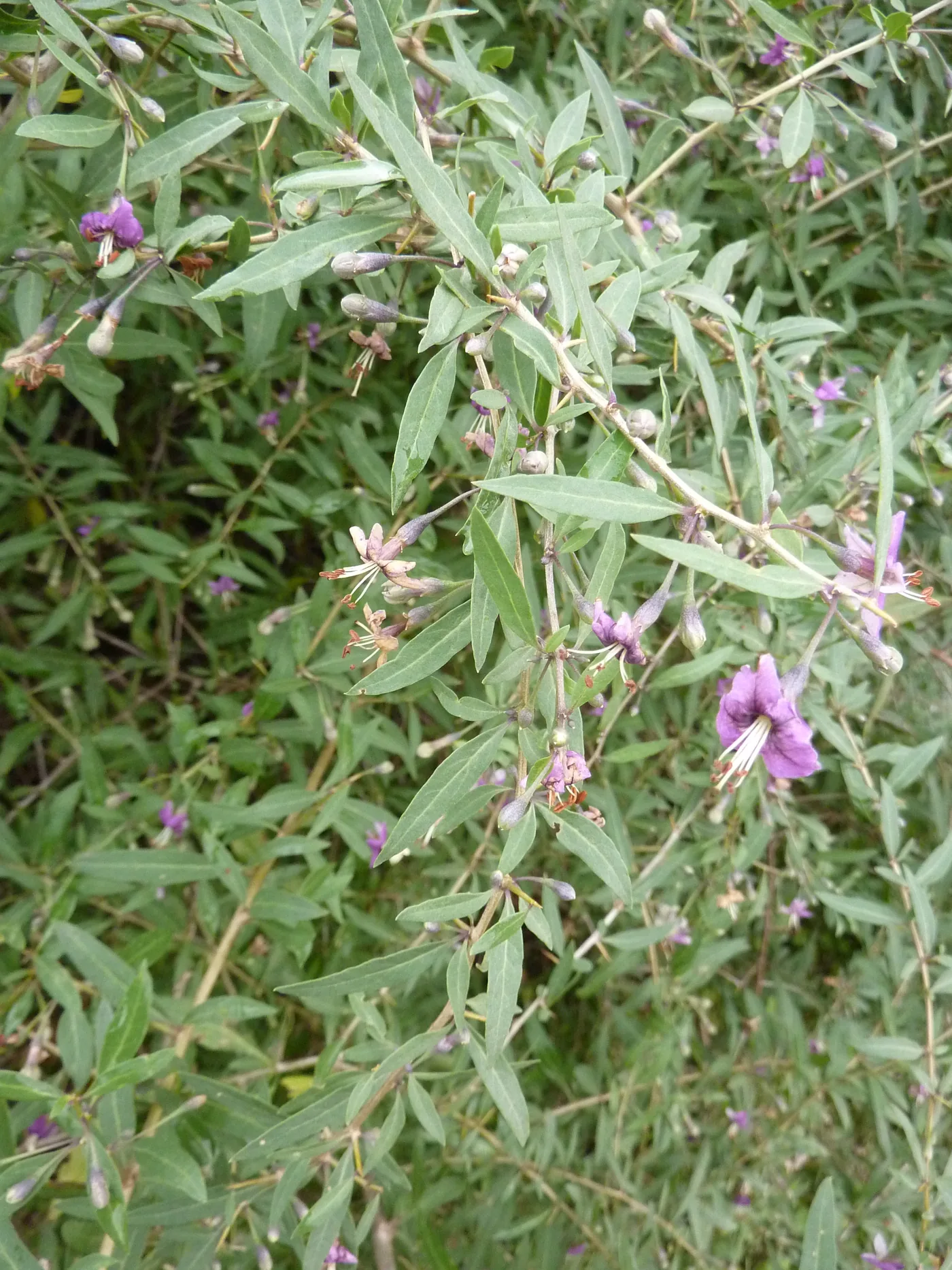
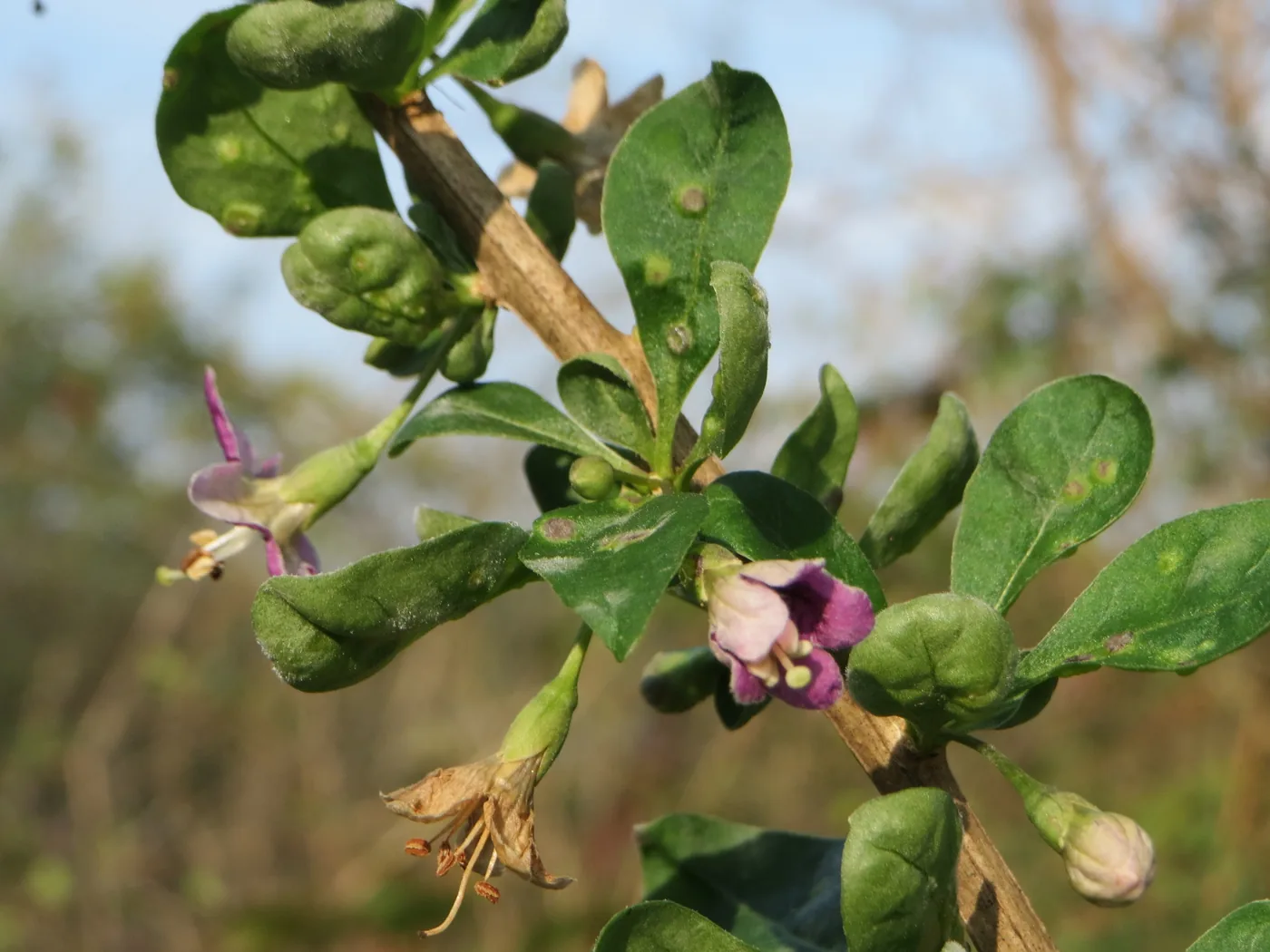
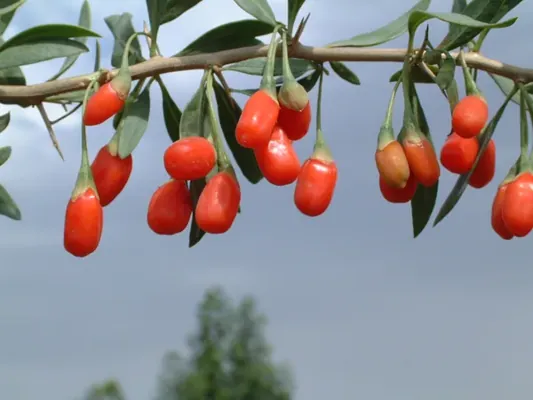
A goji shrub has weak, arching branches, and many side branches end in short spines. Single leaves reach about 2 inches long and the leaves in clusters about 1 inch. Flowers come one to three at a time in the leaf joints, with five purple petals and five stamens that stick out past the petal tube. The berry is an ellipsoid 1 to 2 centimeters across, orange-red when ripe, with 10 to 60 small seeds inside.
| Part | What it looks like | What it tells you |
|---|---|---|
| Stems | Weak and arching, often ending in short spines | Plan for a trellis or a pruned shape, and wear gloves |
| Leaves | Narrow to oval, gray-green, up to about 2 inches | Thin foliage that dries out slowly in wind and shade |
| Flowers | Purple, solitary or in twos and threes, from June into September | Flowering is continuous, so fruit ripens in waves |
| Berries | Orange-red ellipsoids, 1 to 2 centimeters | Soft and easily bruised when ripe |
Size depends on how you manage the plant. An unpruned shrub sends up long canes and can reach about 12 feet, while a pruned one stays between 3 and 6 feet, which is a much easier size to harvest from.
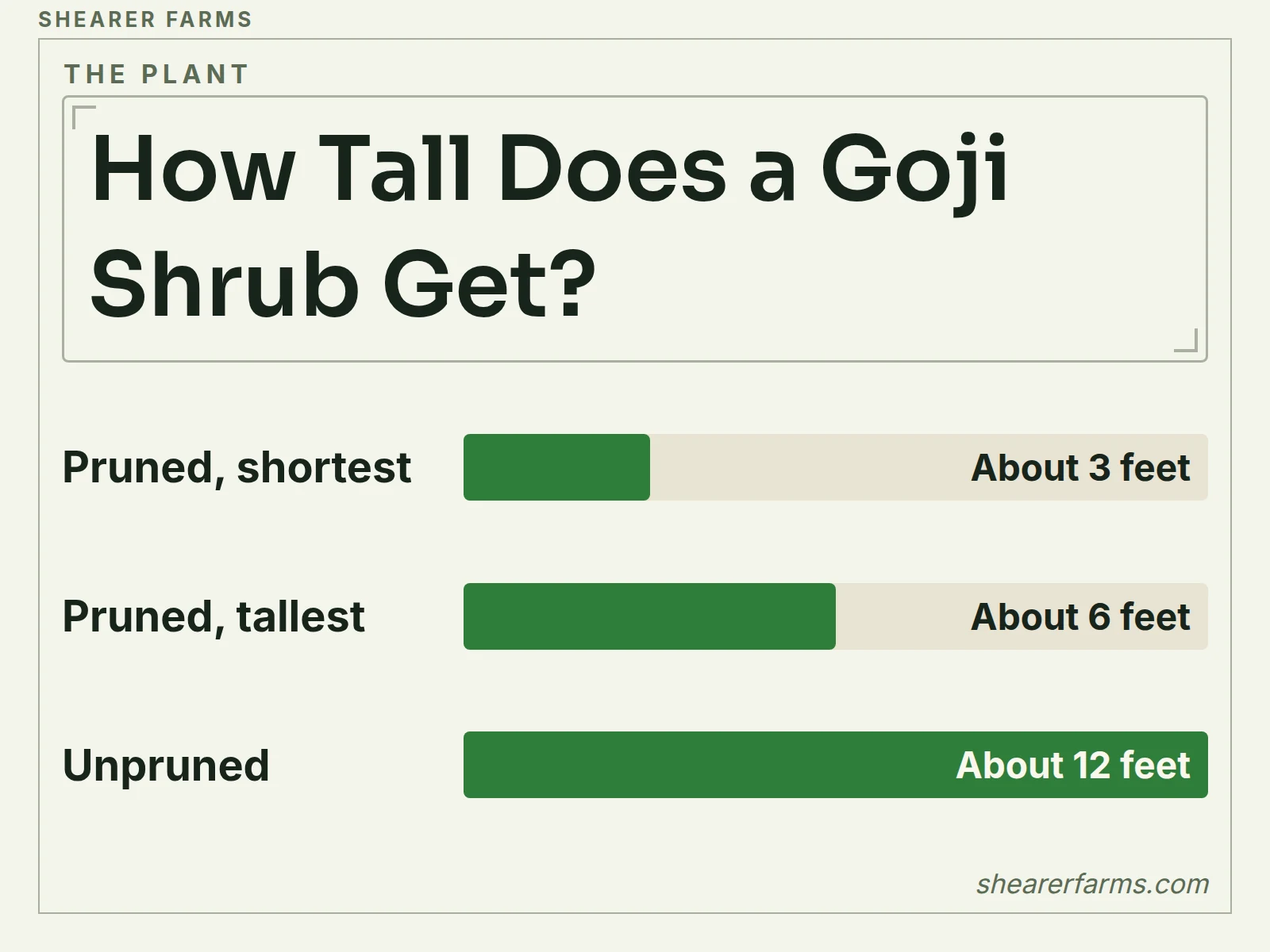
Most of the year's work is deciding which of those sizes you want, because height controls how you space the plants, how much trellis you need and how much of the crop you can reach without a ladder.
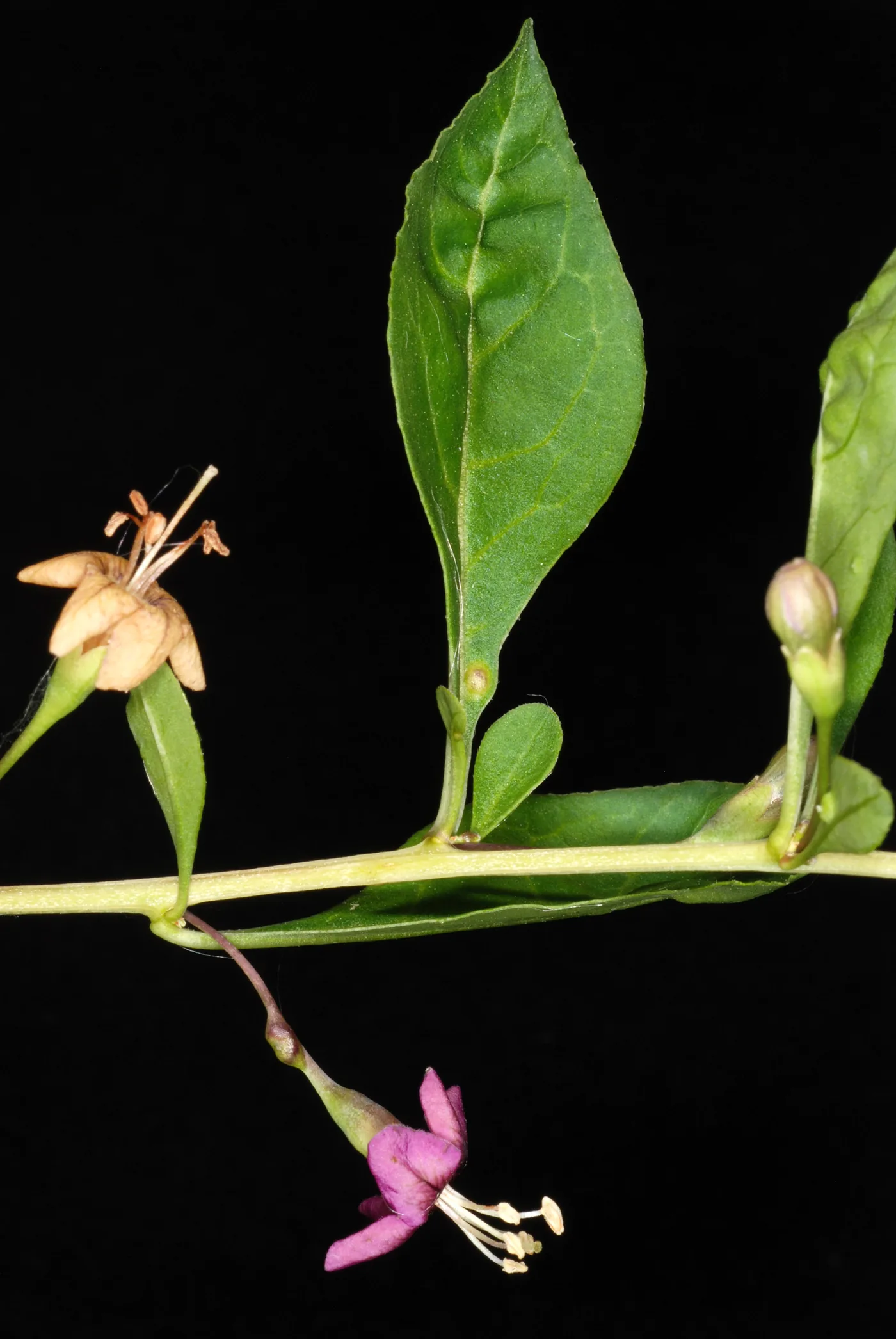

When you shop for plants, look at the stems and the root ball before you look at the leaves, because leaves recover fast and roots do not.
Climate, Heat and Humidity
Goji is grown along the Yellow River in China, where it has been cultivated for more than 600 years, and it has been used for hedging in Britain since the 1700s. It is commonly grown across USDA zones 3 to 10, which means Texas sits well inside the span the plant tolerates, and cold is rarely the limit here.
Heat and humidity are the two Texas cautions. Flower and fruit set can fail when temperatures stay above 85 degrees F for long stretches, and afternoon shade helps wherever the summer regularly passes that mark. Fruit quality is best in hot, dry weather and falls off in cool, humid weather. Humid, mild, overcast conditions also favor powdery mildew, a white dusty film on leaves and stems, and shade and crowding make it worse.
| Condition | What it does to goji | What to do |
|---|---|---|
| Hard freeze | The shrub goes dormant and survives | Avoid frost pockets, because new spring growth is frost-sensitive |
| Weeks above 85 degrees F | Flowers and fruit may not set | Give afternoon shade and steady water |
| Humid, overcast weather | Powdery mildew and softer fruit | Space for airflow, prune open and water at the base |
| Hot, dry weather | Best fruit quality | Keep the water steady so the plant does not stall |
The practical answer to both cautions is the same: choose an open site with air moving through it, keep the plants from touching their neighbors, and water at the base so the leaves stay dry.
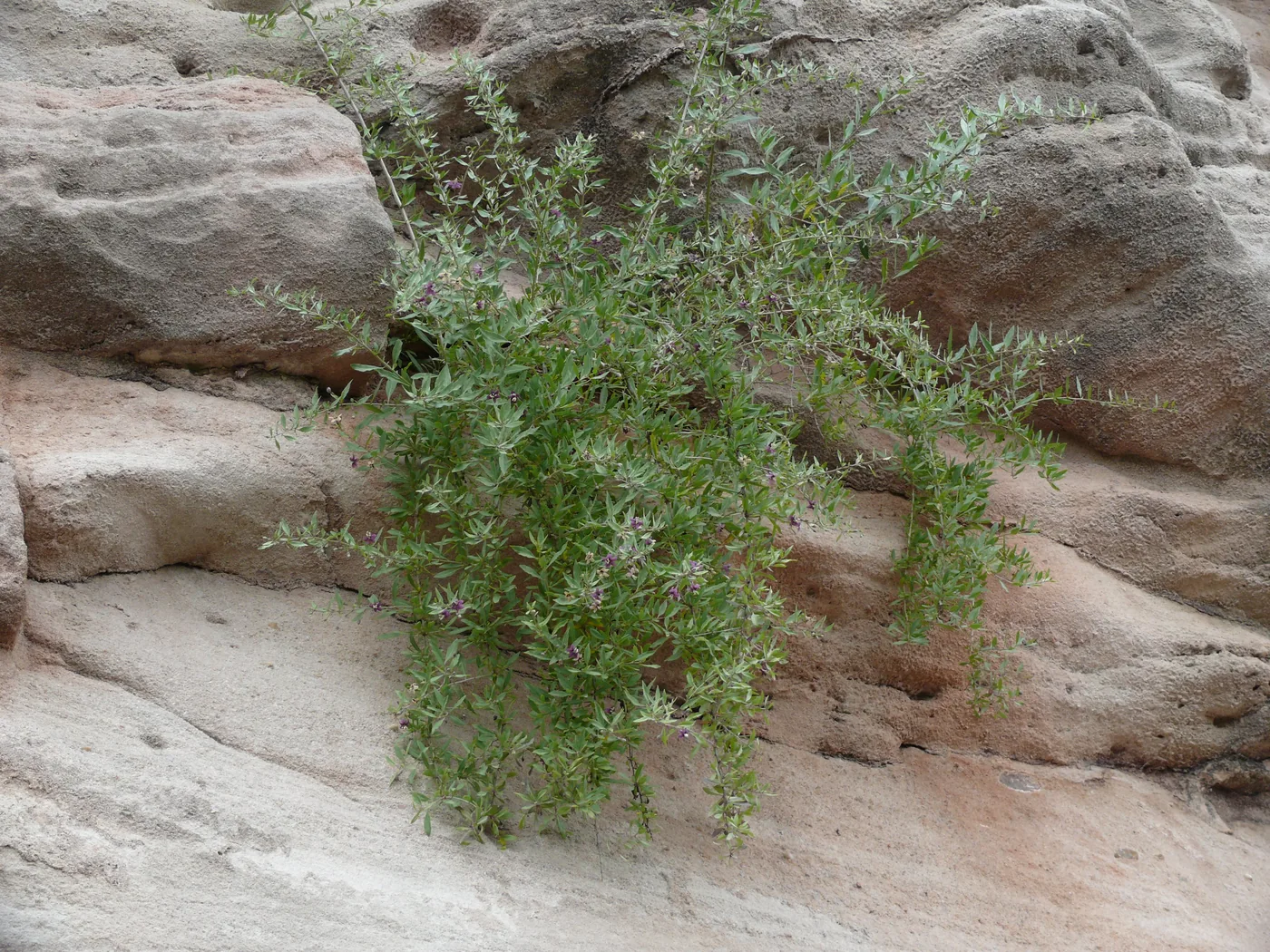

Spring frost is the cold event that matters most, because it burns the tender new growth even on a plant that wintered well.
Absinthe Wormwood Cultivation Guide
Complete guide to absinthe wormwood cultivation covering Artemisia absinthium, growing parameters, propagation, harvest timing.
For a More In-Depth Read, Click HereSun, Soil and pH
Goji wants full sun. Partial shade is tolerated, but heavy shade cuts flowering, and fruit follows flowers. Aim for at least 8 hours of direct sun in early summer and accept afternoon shade as a trade where the heat is severe.
Soil matters more than almost anything else. Goji prefers a pH of about 6.8 to 8.1, with the best growth near 7 to 7.2, and it grows in slightly alkaline soil where many other fruits struggle. It does not grow well in acid soil, so lime anything below pH 6.5. Many Texas soils are alkaline, which suits it, but drainage decides whether it lives: roots rot in waterlogged ground, and poor drainage is the most common cause of failure.
| Soil | How goji does | What to do |
|---|---|---|
| Light loam | Preferred | Work in 1 to 2 inches of organic matter |
| Sandy soil | Drains fast, dries fast | Water more often and mulch |
| Heavy clay | Roots must not stay wet | Plant on a raised mound and add coarse compost |
| Acid soil, below pH 6.5 | Poor growth | Add lime and test again |
Test the soil before you buy a single plant. A cheap pH kit tells you whether you need lime, and a bucket of water poured into a test hole tells you whether the water leaves within a few hours or sits there.
Do the drainage test twice, once on a dry day and once a day after a good rain, because a hole that drains in an hour in dry weather can hold water for a day when the ground is already wet. If the second test is slow, move the planting to higher ground or build the mound before you plant, since fixing drainage after the shrub is in the ground means lifting it out. Then choose the pH remedy that matches your reading. A reading under 6.5 needs lime worked in and tested again after a few weeks, and a reading of 7 or 8 needs nothing, because that is where goji is happiest.
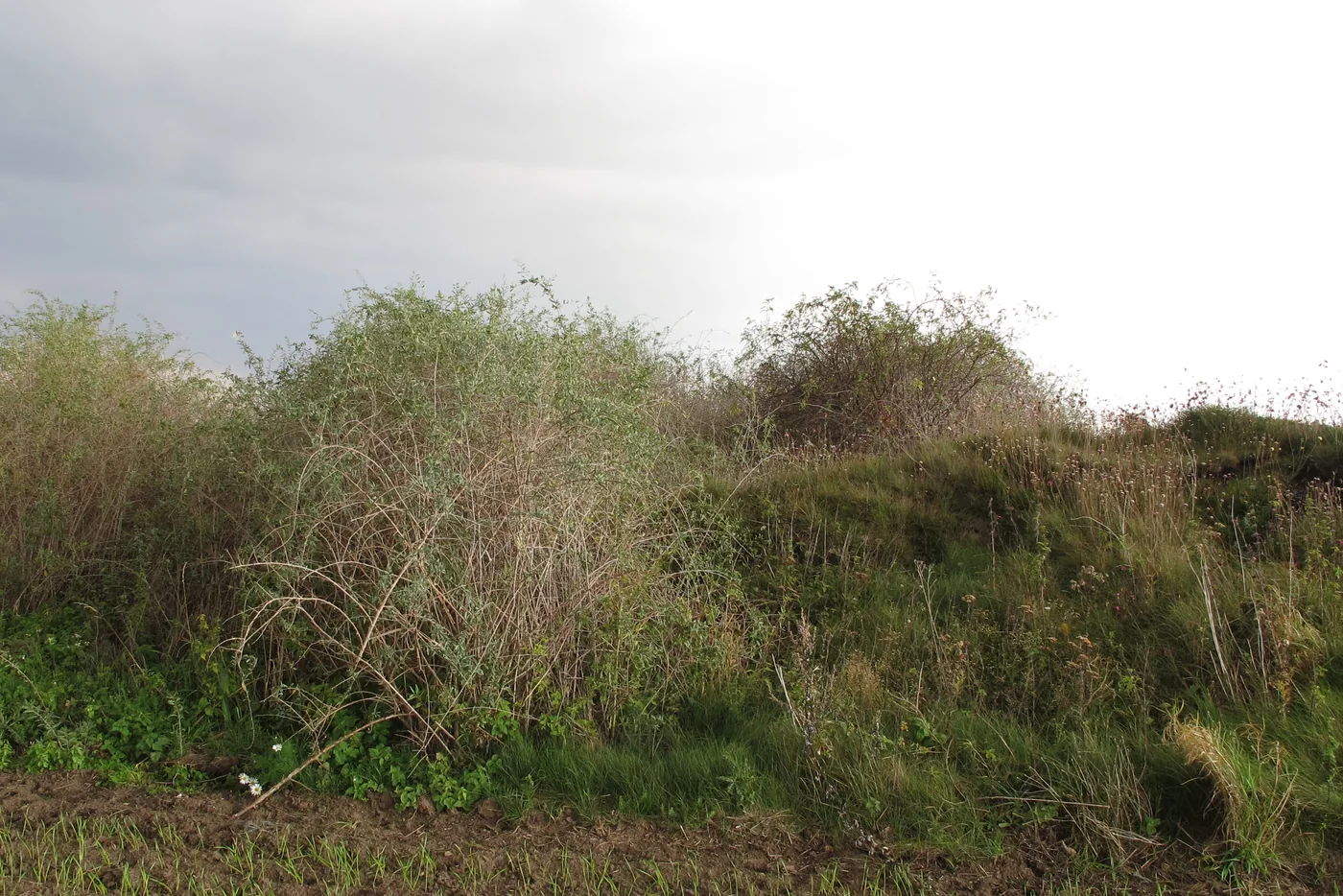

On heavy clay, a raised mound keeps the crown above any standing water and gives the roots a drier place to start.
Which Goji to Plant
Three plants share the name goji, and only one is the subject of this guide. Knowing which is which keeps you from buying the wrong shrub and from expecting the wrong fruit.
| Plant | The fruit | How it fits here |
|---|---|---|
| Lycium barbarum | Orange-red, rich in orange carotenoid pigment | The plant this guide covers |
| Lycium chinense | Similar red fruit, the other cultivated goji | Grown much the same way, with no figures given here |
| Lycium ruthenicum | Dark purple, rich in anthocyanins | A separate plant that gets its own guide |
Within Lycium barbarum the choice is a named cultivar. Named plants fruit sooner and more reliably than seedlings, and the ones to look for are listed below.
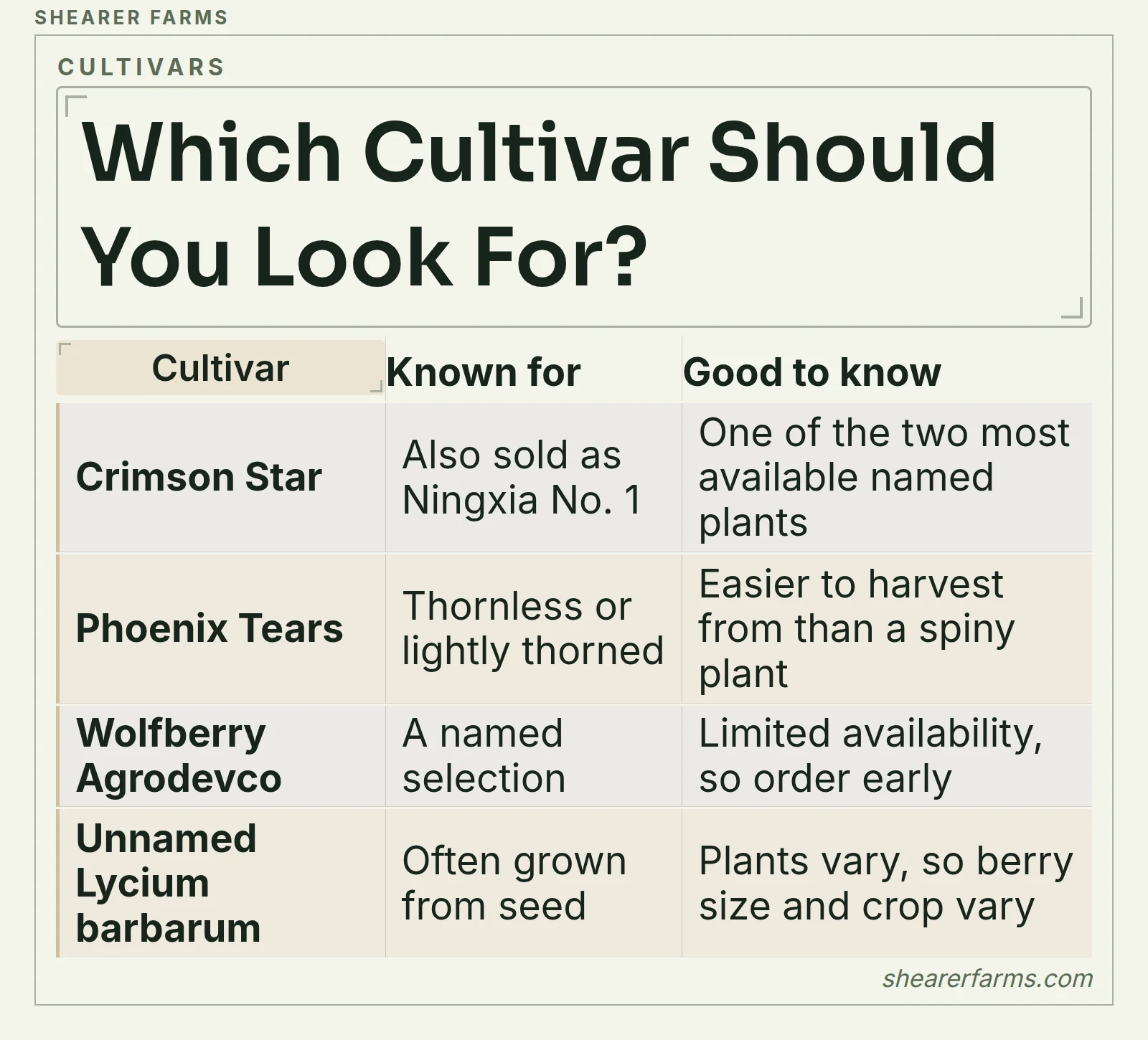
When a nursery lists only the species name, ask what it was grown from. A seedling will bear, but you will not know the berry size, the spine count or the crop until it does, and that is a long wait to find out a plant was an average one.
Start with two plants of a named cultivar if you have the room. They pollinate each other, they spread your risk if one plant fails in a bad summer, and you learn how the plant behaves on your own soil before you commit to a whole row.
Variants Worth Growing
Besides the named plants covered earlier in this guide, there are three questions a grower asks before buying: which plant gives the most fruit, which has the most of the compounds people want from it, and which survives the coldest winter. Each answer is below, with the reason, and each says how far the evidence goes.
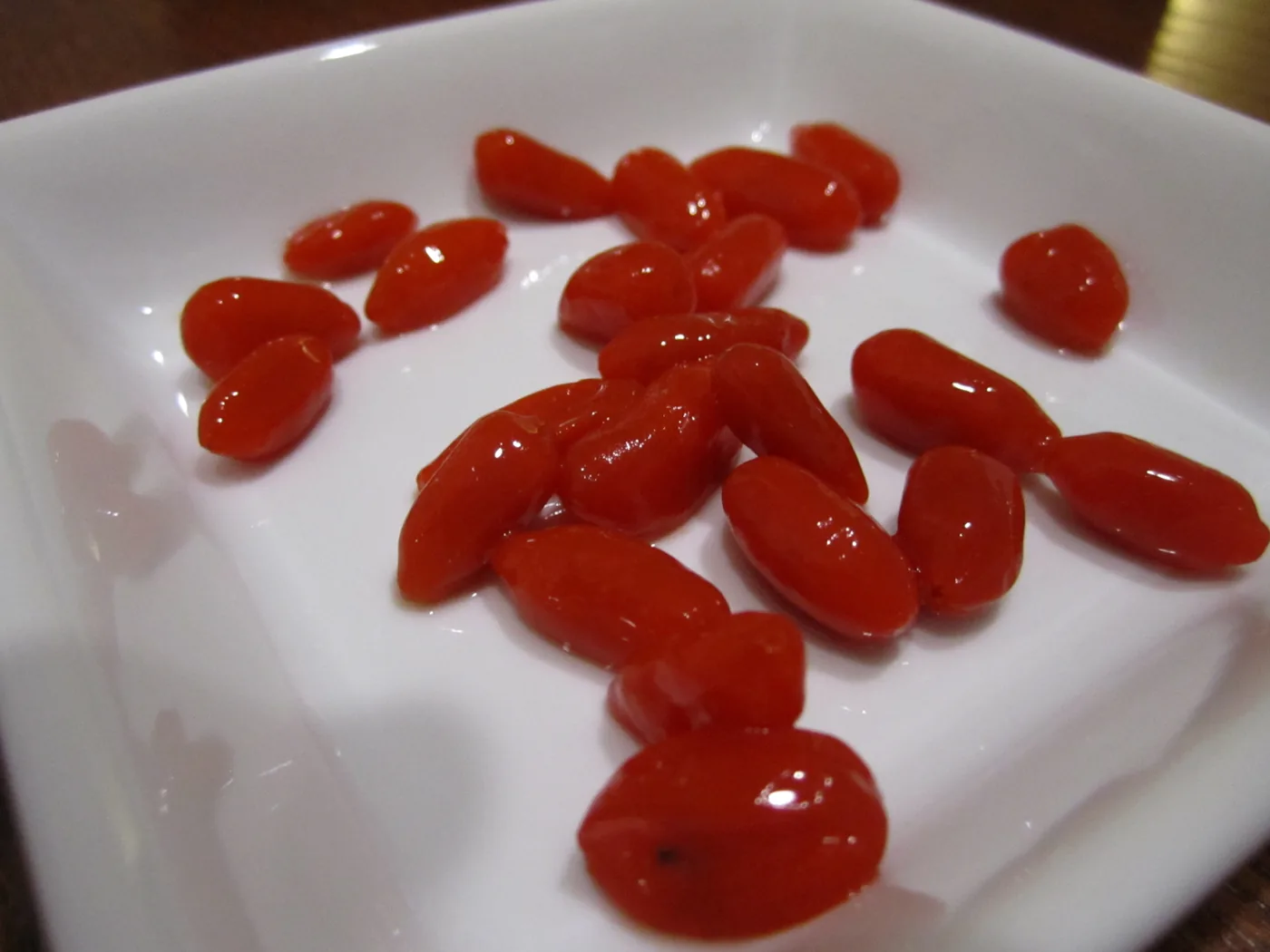

Read each row for the reason as well as the name, because the reason tells you whether it holds in your own yard.
| Question | Variant | Why |
|---|---|---|
| Top Yielding | A named, cutting-grown Lycium barbarum such as Crimson Star (also sold as Ningxia No. 1) | A plant made from a cutting is a copy of a proven parent, so it flowers and fruits sooner and more evenly than a seedling. We found no published side-by-side yield trial of the named plants sold in this country, so this is the best-supported choice and not a measured winner. |
| Highest In zeaxanthin dipalmitate | Lycium barbarum fruit from named Ningxia selections, grown in full sun | Zeaxanthin dipalmitate, the orange pigment, measured 4.26 to 10.07 mg per gram of dry fruit across 78 samples from 13 regions of China. That is a spread of more than double, so the place and the growing method move the number as much as the cultivar name does. |
| Highest In anthocyanins | Black goji, Lycium ruthenicum | Wild fruit of this separate species held 8.21 to 31.46 mg of anthocyanins per gram of dry fruit, and the dark purple berry is the high-anthocyanin chemistry. It is a different plant with its own needs and has no orange pigment to speak of. |
| Hardiest | Lycium barbarum, any named cutting-grown plant | Plant databases list the species as hardy to USDA zone 2 or 3, and nursery listings give black goji a minimum of zone 5. These are listed ranges and not field trials, so mulch young plants in the first winter whatever the label says. |
If you grow only one, grow the named Lycium barbarum, because it covers the yield and the cold and it is the plant the rest of this guide describes. Add black goji only if the anthocyanin fruit is what you want, and grow it as its own planting.
Growing For Fruit
Goji is grown for its fruit, and nearly everything a grower controls changes how many berries the shrub carries and how much of the fruit's chemistry is in them. The fruit holds the polysaccharides, the betaine and the orange carotenoid pigment, so the aim is a shrub that ripens heavy, evenly colored berries.

Sun and soil. Full sun feeds the sugars and the pigment in the fruit, so choose well-drained soil, lime it if the pH reads below 6.5, and keep nitrogen modest, because a shrub fed for leaves makes shoots and few berries. Water that stands in the hole for hours rots the roots long before it lowers the crop, so test the drainage first.
Spacing and support. A crowded shrub shades its own lower branches, and shaded branches carry little fruit. Give pruned shrubs 4 to 6 feet and trellised plants 6 to 8 feet, so light reaches inside the plant and air dries the leaves after rain.
Pruning and tipping. Fruit forms on the shoots of the current season, so the work is to renew shoots every year. Prune before the buds break in late winter, take out old, crossing and weak wood, and tip the new shoots in late spring to make them branch, because more branching means more places for flowers.
Water. Steady moisture through flowering and fruit swell gives larger berries. Swings between drought and flood split the fruit and drop flowers, and a mulch holds the moisture level even through a hot spell.
Harvest timing. Harvest only berries that have turned fully orange-red, in waves every few days, because ripeness changes the pigment and the juice, and an underripe berry gives a paler, less sweet extract than one left to color fully.
Propagation. To multiply a good shrub, take cuttings or lift suckers in early spring, since a cutting is a copy and a seedling is a gamble. Doing so keeps the berry size and the crop you already know, which a seedling cannot promise.
If you want a different part instead, the advice changes. For leaf to use as a tea, tip and trim the shoots more and harvest young leaves in spring, and accept a smaller berry crop from that shrub. If you want seed, let a few berries hang until fully ripe and expect seedlings that differ from the parent. Fruit and leaf pull on the same stored energy, so a plant harvested hard for one gives less of the other.
Buying and Starting Plants
You can start goji from seed, but seedlings vary and take longer, so most growers buy named cultivars. Crimson Star, also called Ningxia No. 1, and Phoenix Tears are the two most available, and Phoenix Tears is sold as thornless or lightly thorned. Many nurseries sell only plants labeled Lycium barbarum with no cultivar name, and ordering by mail is often the way to get a named one.
| Start | Time to first fruit | What to know |
|---|---|---|
| Bare-root named cultivar | Year 1 to 2 | Soak the roots 12 to 15 hours before planting |
| Potted named cultivar | Year 1 to 2 | Plant any time the soil can be worked, spring is best |
| Cutting, hardwood or softwood | Year 2 or later | Gives a plant identical to the parent |
| Seed | Year 2 to 3 or more | Plants vary from the parent, so quality varies |
A cutting is the method that keeps a good plant good, because it copies the parent exactly, while seed shuffles the traits. A sucker, one of the shoots that rise from the roots, can also be lifted and moved, and it too matches the parent.

Label every plant with its cultivar and the date you set it out, so you know when the crop should arrive.
Planting Step by Step
Plant in spring once the soil can be worked. The steps are the same for bare-root and potted plants, with one extra step for bare-root.
- Choose the site and check the drainage, then mark the spot with a stake.
- Work 1 to 2 inches of organic matter into an area one and a half to two times the width of the planting hole, down to about a foot.
- Dig the hole about twice as wide as the root ball and about as deep.
- Soak bare-root plants 12 to 15 hours in water before they go in.
- Set the plant so the crown is level with the soil surface and not buried.
- Backfill with the soil you dug out and leave fertilizer out of the hole.
- Install a trellis or stakes now if you plan to train the plant, so you do not damage roots later.
- Water deeply, then mulch 2 to 4 inches deep, keeping the mulch 4 to 6 inches away from the crown.
Why leave the fertilizer out of the hole? Because too much feed pushes leaf growth at the cost of fruit and can burn young roots, and goji does fine with a single feeding in early spring.
Growing in a Container
A pot works if you give it room. Use at least 10 gallons, and 15 to 20 gallons for a plant that stays several years, in a compost-amended potting mix with perlite or sand, limed to a pH of about 6.8 to 7.0. A pot dries faster than the ground, so check the water more often in a Texas summer.

Firm the soil gently around the roots, water once more, and check the crown depth again after the water settles.
Complete damiana cultivation guide covering Turnera diffusa botany, semi-tropical growing, apigenin and arbutin chemistry.
For a More In-Depth Read, Click HereSpacing and Support
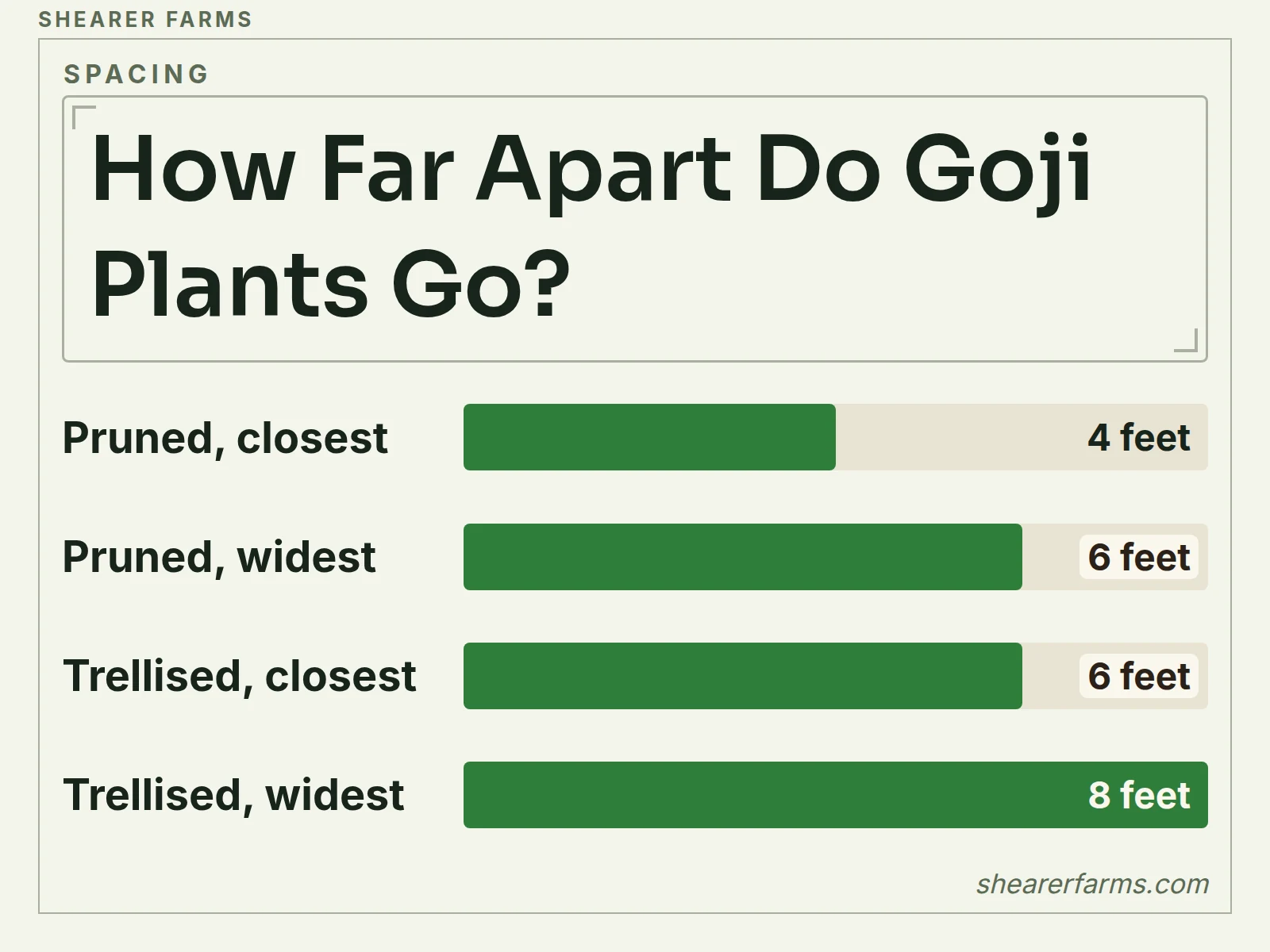
Spacing is about airflow as much as room. Pruned shrubs need 4 to 6 feet between them, and plants allowed to run on a trellis need 6 to 8 feet. In a row, plants go 2 to 4 feet apart with 6 to 8 feet between rows, which leaves a lane for harvesting.
| Layout | Spacing | Why |
|---|---|---|
| Open bush, 3 to 5 main stems | 4 to 6 feet | Light and air reach the middle |
| Trellis or fan | 6 to 8 feet | Long canes need room to spread |
| Single trunk standard | 4 to 6 feet | A tidy upright form for small spaces |
| Hedge row | 2 to 4 feet in the row, 6 to 8 feet between rows | A lane for harvesting and for air |
Support does two jobs. It keeps the weak, arching stems upright so the fruit hangs clear of the ground, and it holds the plant open so the sun and air reach the middle, which is the best protection against mildew you can build into the planting.
Tie the retained stems to the trellis with soft ties during the dormant season, and shorten any overlong stem back to an outward-facing branch so new growth heads away from the center.
Water, Mulch and Feeding
Young plants need regular, deep watering for the first one or two seasons. Established plants are fairly drought-tolerant and need about 1 inch of water a week, or roughly 7 to 10 gallons over a 3-foot circle. Long dry spells can cut the crop, and irregular watering, with wet and dry swings, can cause blossom end rot, the water-soaked ends on the fruit.
- Use drip irrigation if you can, because it keeps the leaves dry and the weeds down.
- Water deeply and less often, instead of a sprinkle every day.
- Sandy soil needs more frequent watering than clay.
- Keep the moisture steady while the plant is in flower and the fruit is sizing up.
Feeding is simple, and too much of it does harm. One early-spring application of 2 to 3 inches of compost or a balanced organic fertilizer is enough, and feeding should stop after early summer. Excess nitrogen makes leaves at the expense of fruit and shades the inside of the plant.
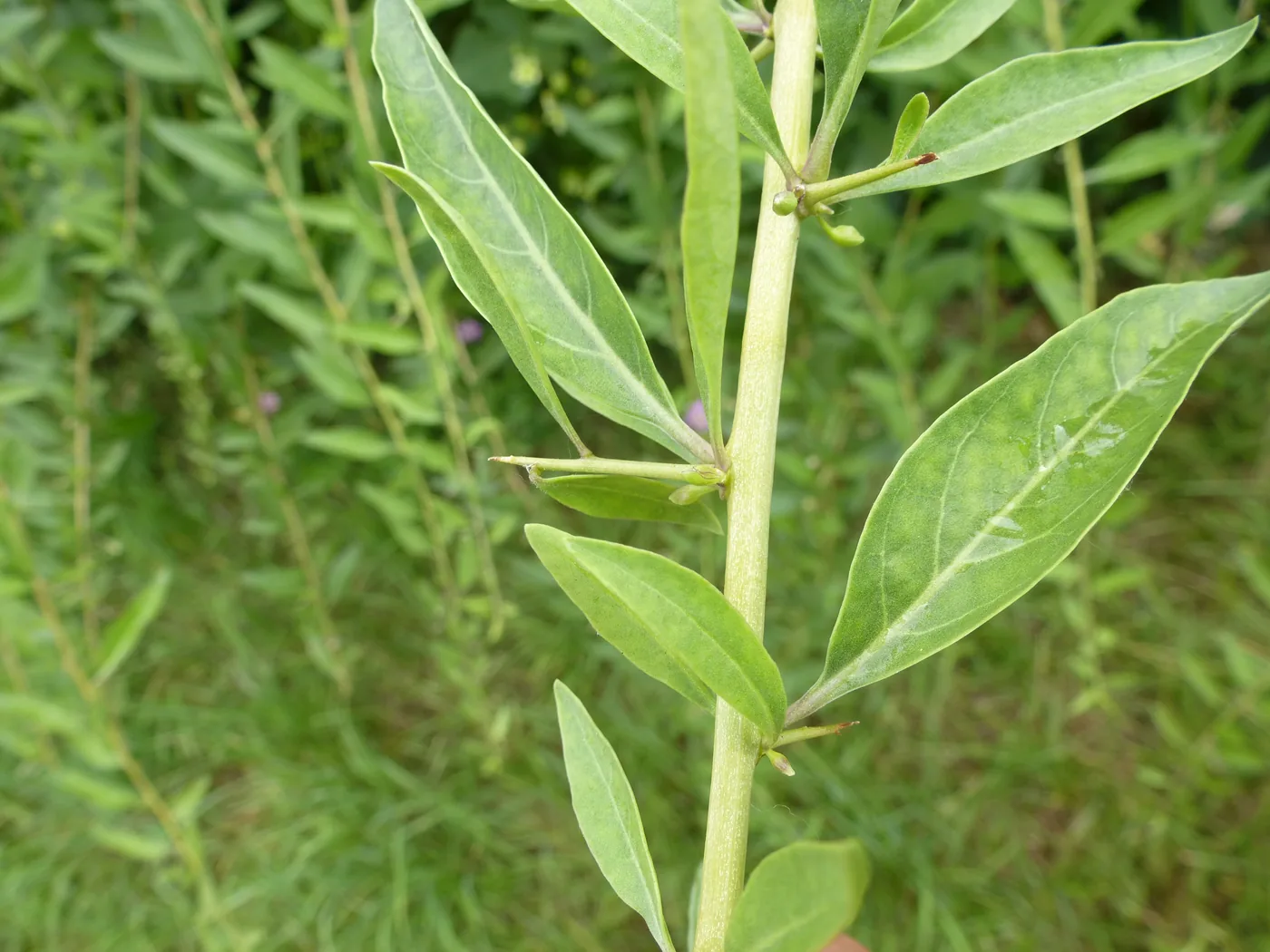

Mulch keeps the root zone cooler and holds moisture between waterings, which is why it earns its place in a Texas summer.
Pruning
Fruit forms on the current season's shoots, so pruning is how you steer where those shoots come from. Prune in late winter to early spring, roughly January through March, before the buds break, and keep a mix of one- and two-year-old canes.
| When | What to cut | Why |
|---|---|---|
| Year one | Almost nothing | The plant is building roots |
| Late winter | Dead, damaged and crossing branches, and the oldest canes cut to the ground | Opens the plant and renews the wood |
| Late winter | Shorten side branches by about 12 inches | Sets the shape and the height |
| Late spring | Tip the top 2 to 3 inches of new shoots | Pushes side branching and more fruiting wood |
| Any time | Suckers you do not want, removed with their roots | Keeps the rows and paths clear |
Avoid heavy cutting in summer, because it cuts the crop that is already setting. A good late-winter prune also takes out the oldest canes, which carry the least fruit, so the plant spends its energy on fresh wood that will. After about three years the plant often suckers, and a heavy mulch, or landscape fabric, cuts the number of shoots that come up.
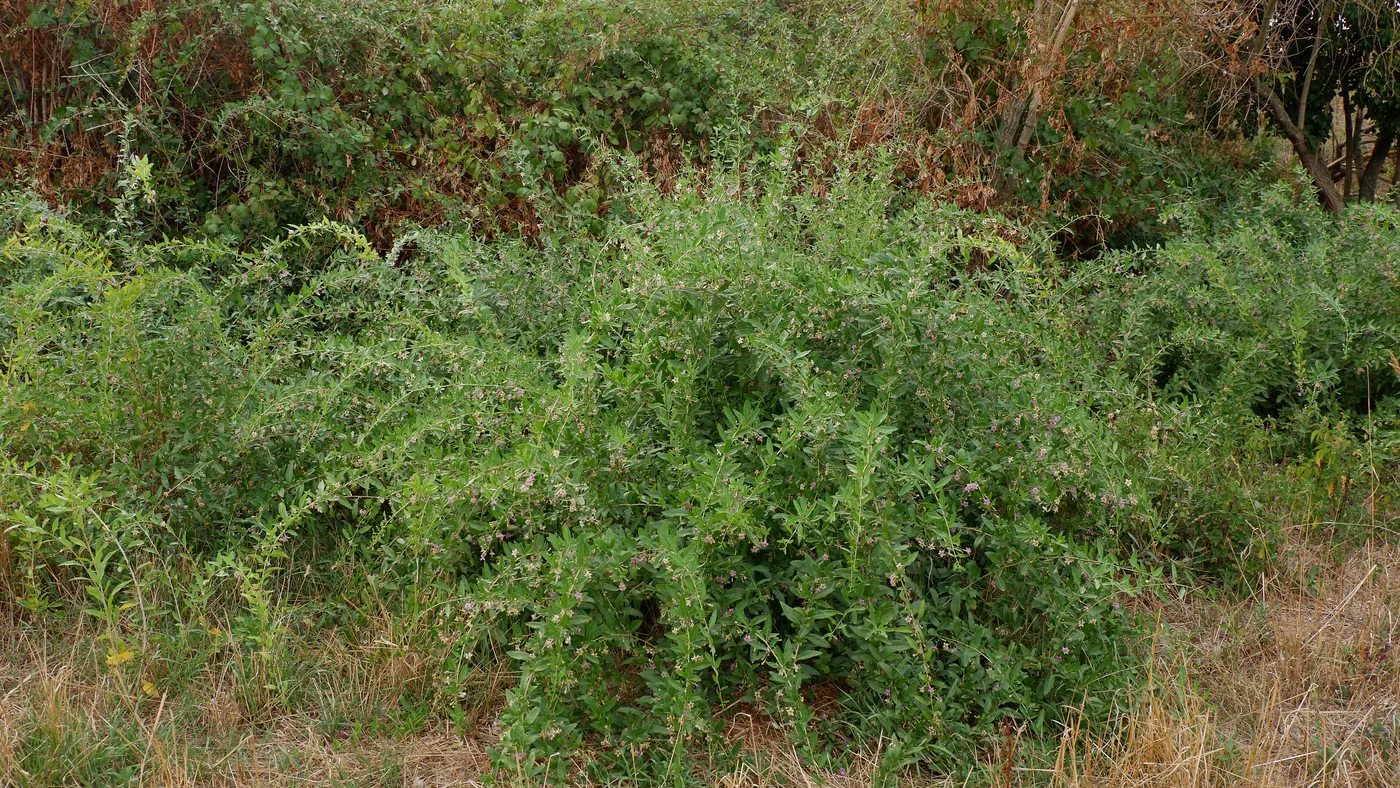

Make each cut just above an outward-facing bud so the new shoot grows away from the center of the plant.
A Goji Year, Season by Season
Goji work is spread thinly over the year, and nothing in it is urgent except the water in the first two seasons. Laying the year out by season shows how little time the plant asks for once it is established.
| Season | The job | Why it is done then |
|---|---|---|
| Late winter, roughly January to March | Prune, tie in the retained canes and set tree guards | The plant is dormant, and the buds have not broken |
| Early spring | Plant new shrubs, spread 2 to 3 inches of compost and refresh the mulch | The soil can be worked and roots settle before the heat |
| Late spring | Tip the new shoots and watch for the first flowers | Tipping pushes side branches that carry the fruit |
| Summer | Water steadily, give afternoon shade in extreme heat and scout for mites and mildew | Heat above 85 degrees F can stop fruit from setting |
| Late summer into fall | Harvest ripe berries every few days and net the plants against birds | Flowers keep opening, so the berries ripen in waves until the first hard frost |
| Fall | Remove unwanted suckers, pull the mulch back from the crown and clear fallen fruit | It deters voles and cuts the winter pest load |
A calendar like this is only a frame. The weather in your own year moves every date, and a mild winter or a hot spring can shift pruning, flowering and the first berries by weeks.
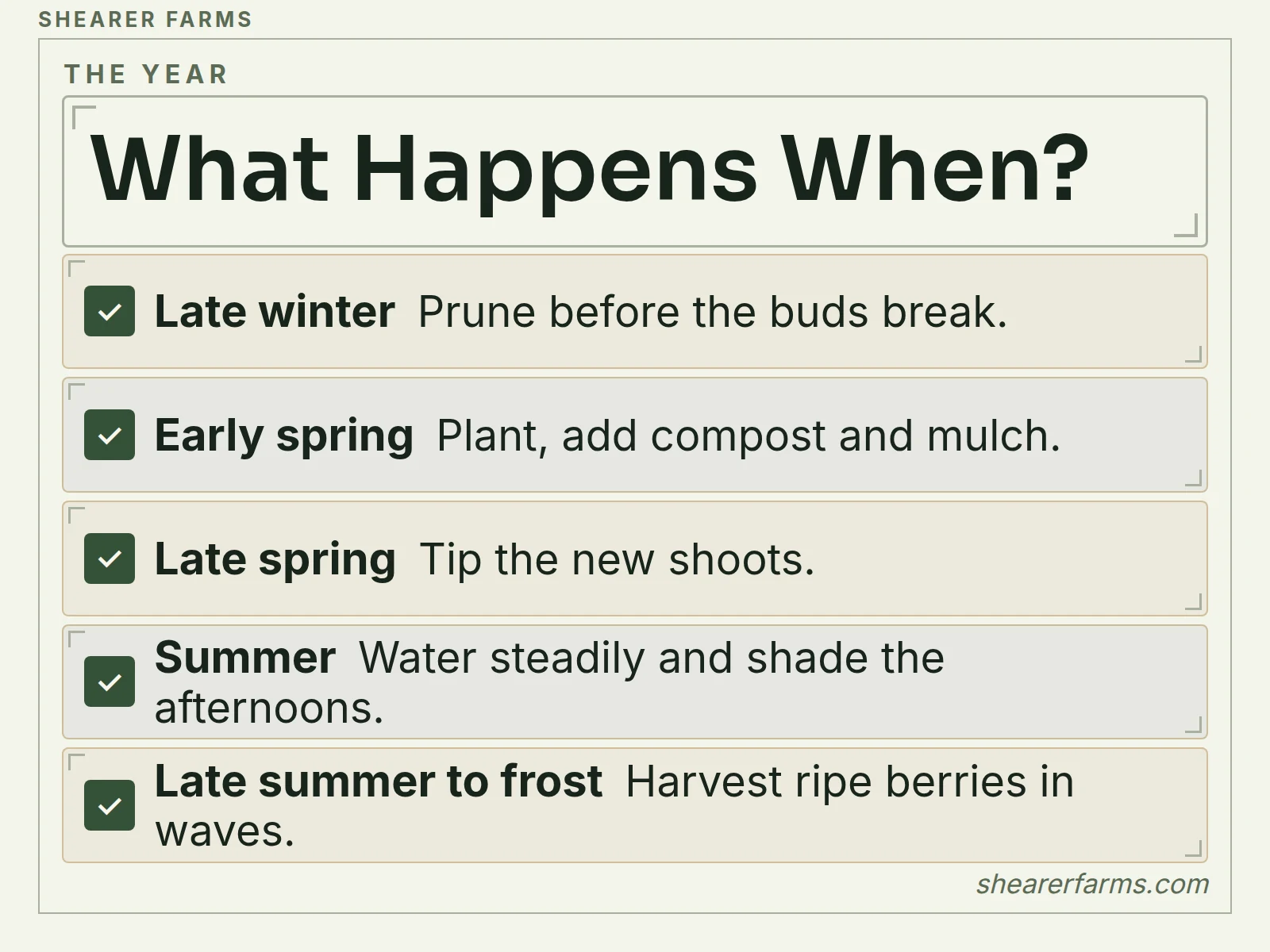
The simplest way to keep track is a notebook with the date of the first flower, the first ripe berry and the last harvest each year, because three seasons of those dates tell you more about your own site than any general table can.
Flowers and Pollination
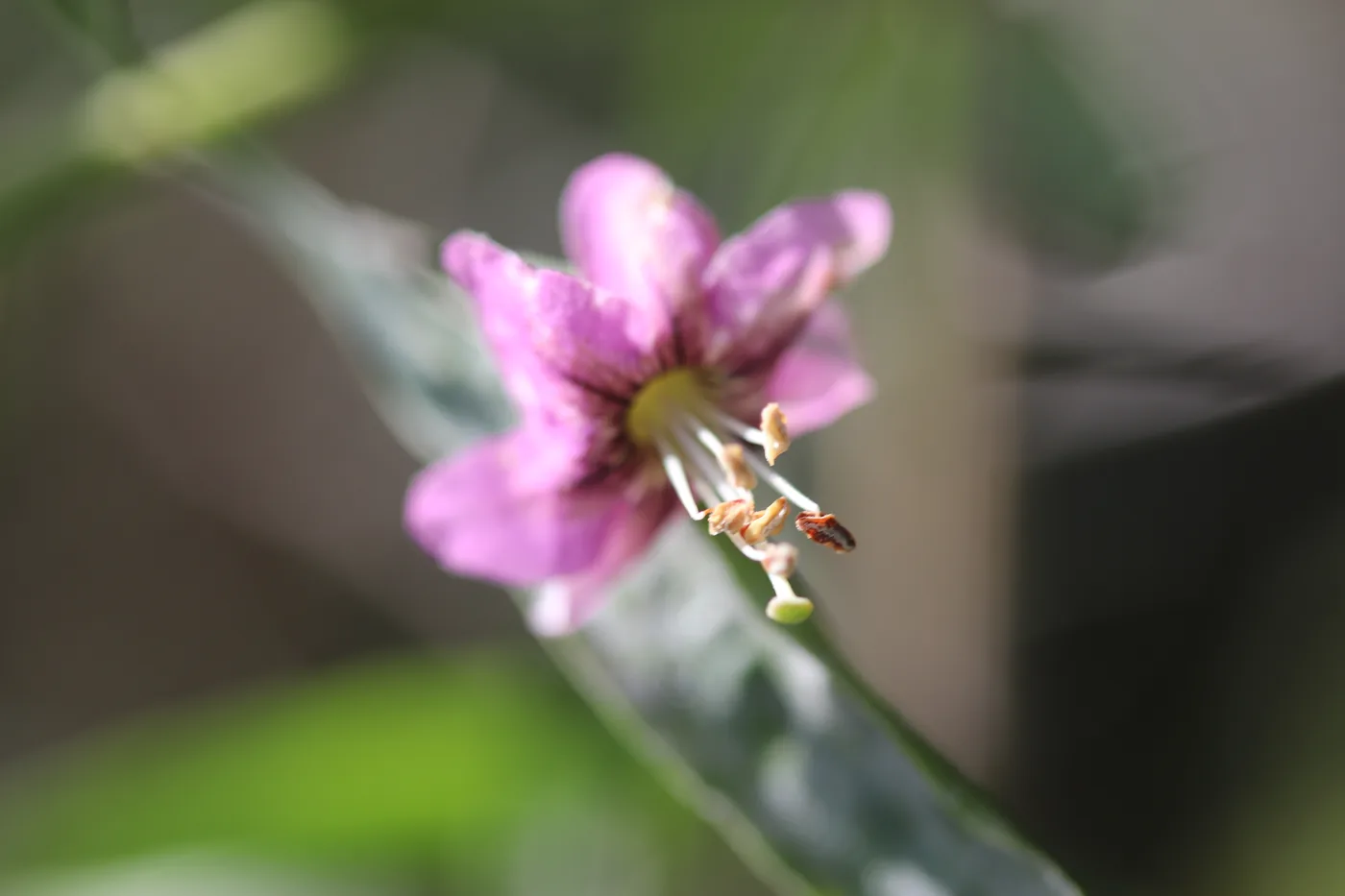
Goji flowers are purple, with five petals and a cluster of stamens, and they open from late spring into summer. They keep opening over many weeks, so one branch can carry buds, open flowers and ripening berries at once.
The plant is self-fertile, so one shrub sets fruit by itself, though a second plant of a different parent nearby may raise the yield. Bees are the main pollinators, which is a good reason to avoid insecticides while the plant is in bloom.
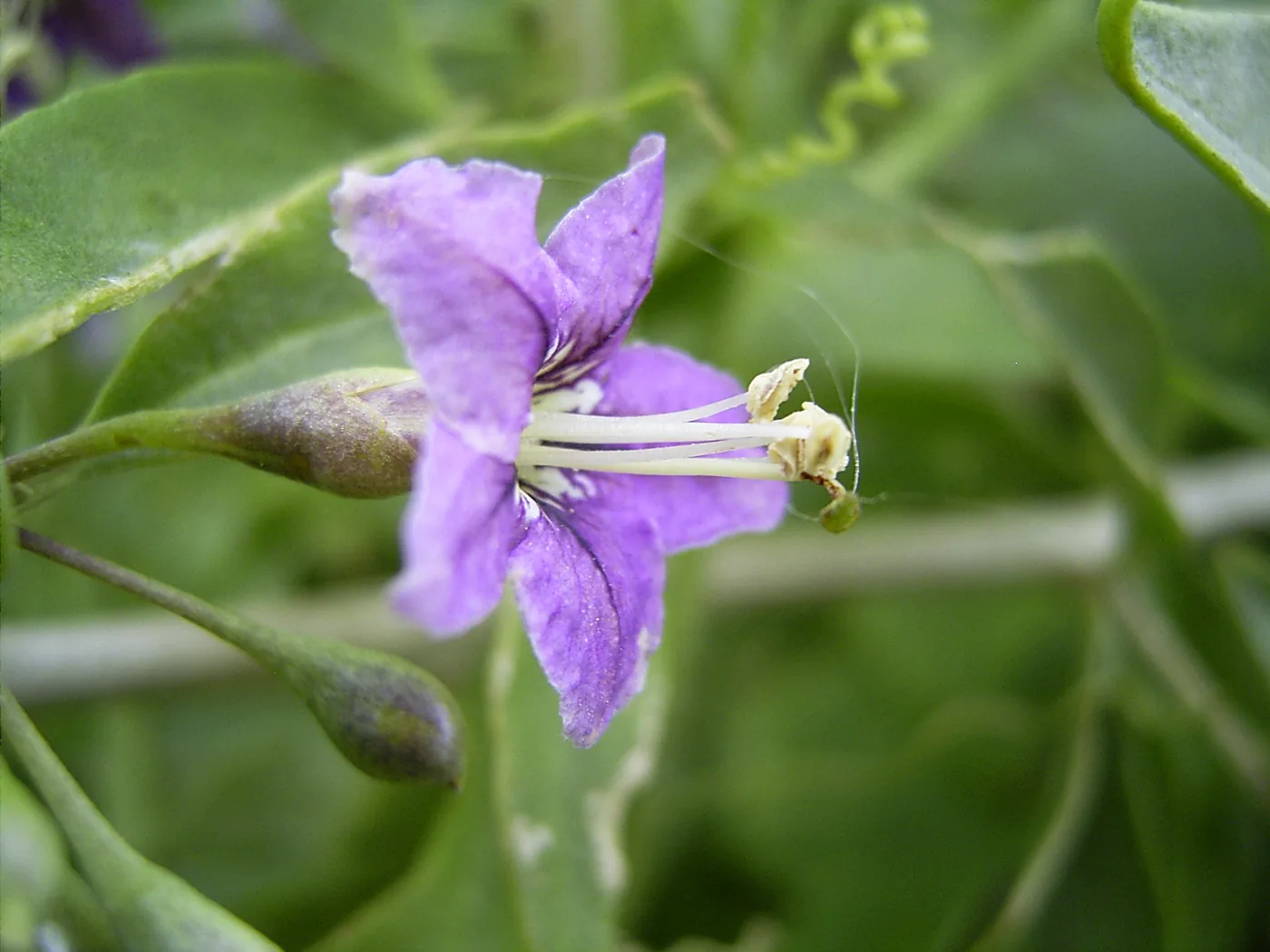

The fruit follows the flower by about 4 to 6 weeks, so a flower that opens in June is a berry by late July or August.
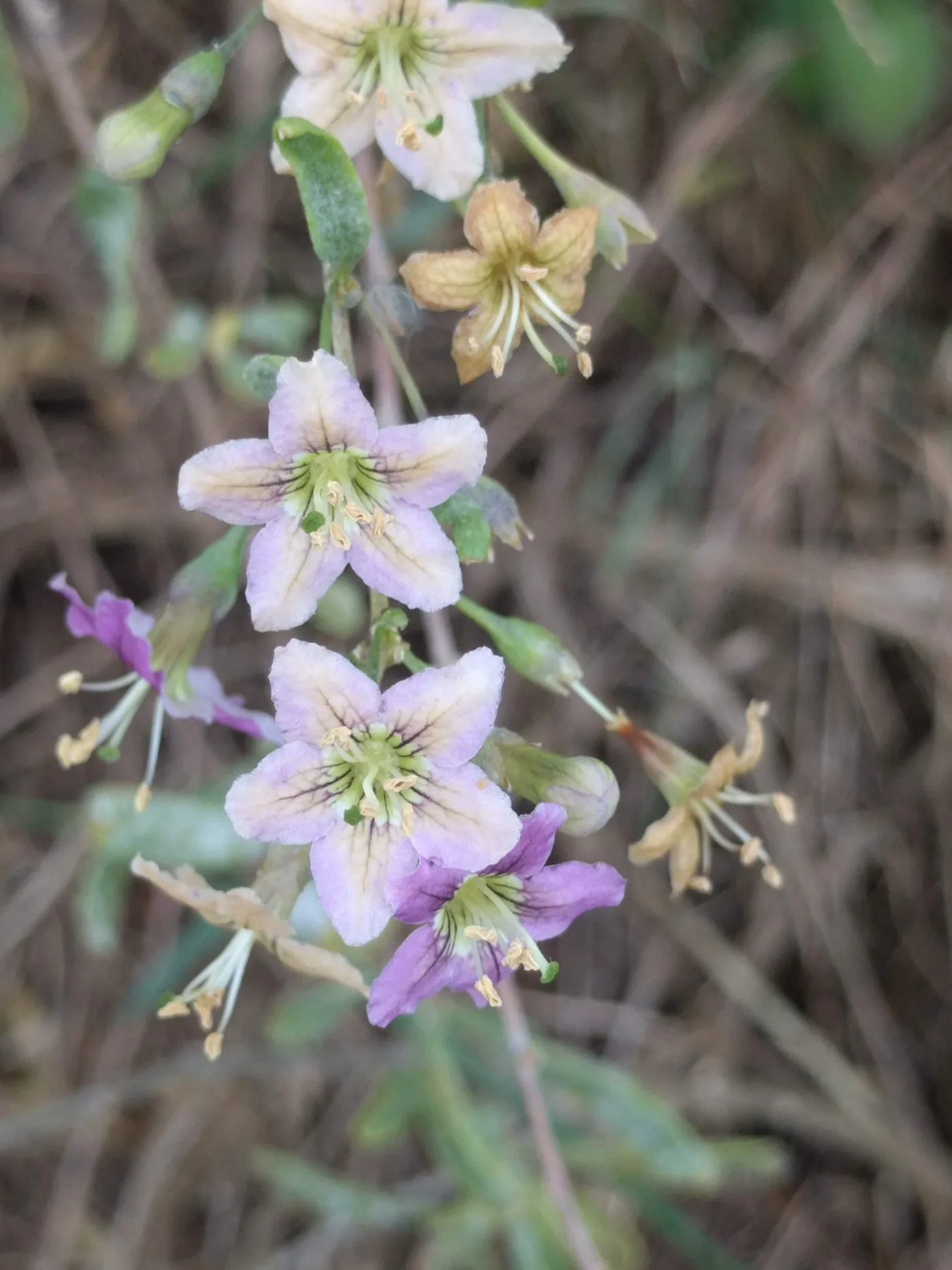

A bee or two working the blossoms is a good sign, and it is another reason to hold off on sprays while the plant is in flower.
Years to a Crop
Goji does not give a full crop in year one. Named cultivars may bear a few berries in the first or second year, and the crop grows as the shrub fills out. Full production comes in years 3 to 5.
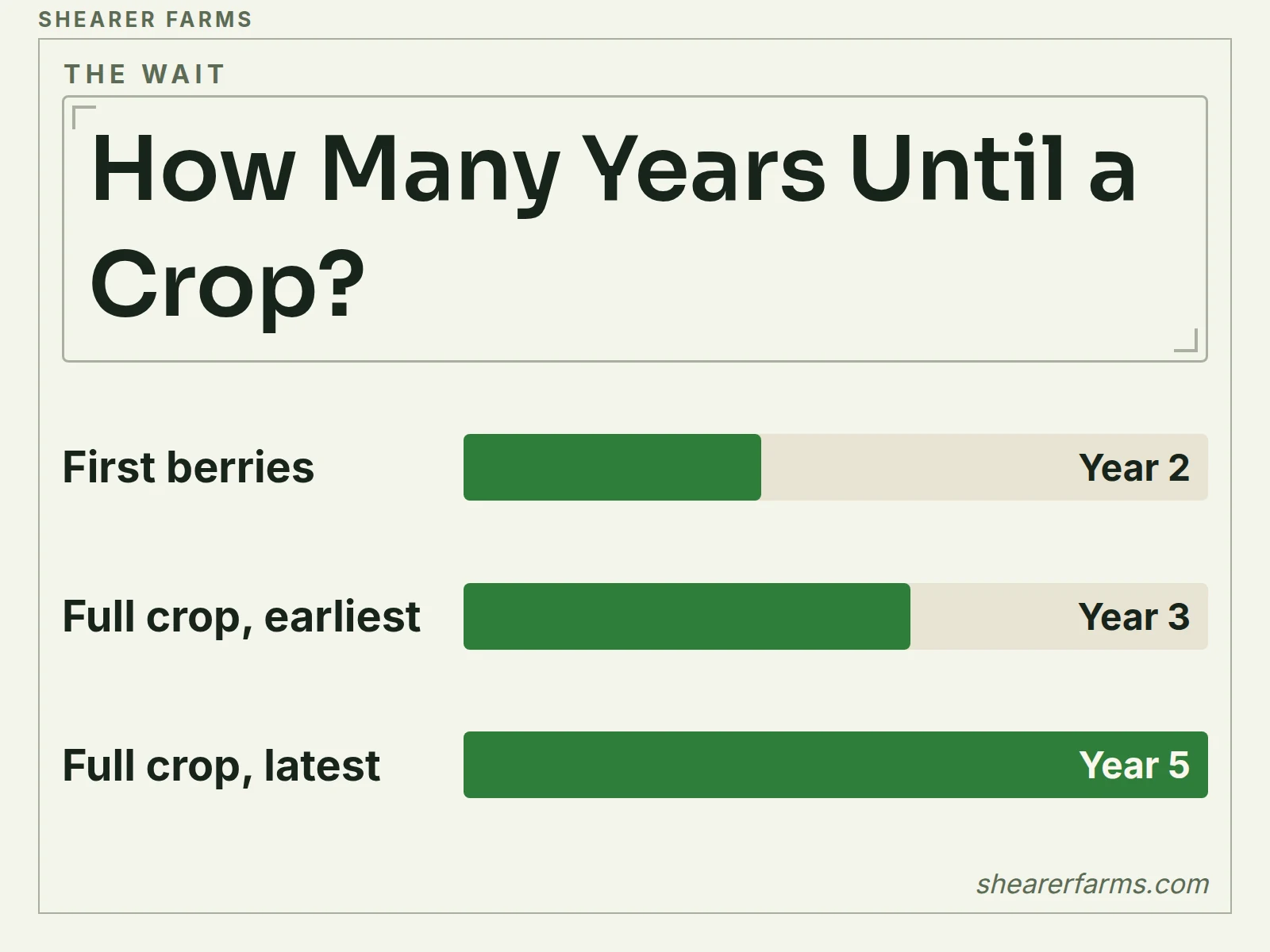
At full production a plant gives about 2 to 6 pounds of berries, depending on the variety, which tells you how many plants you need for a given amount of fruit and why a single shrub is a small crop.
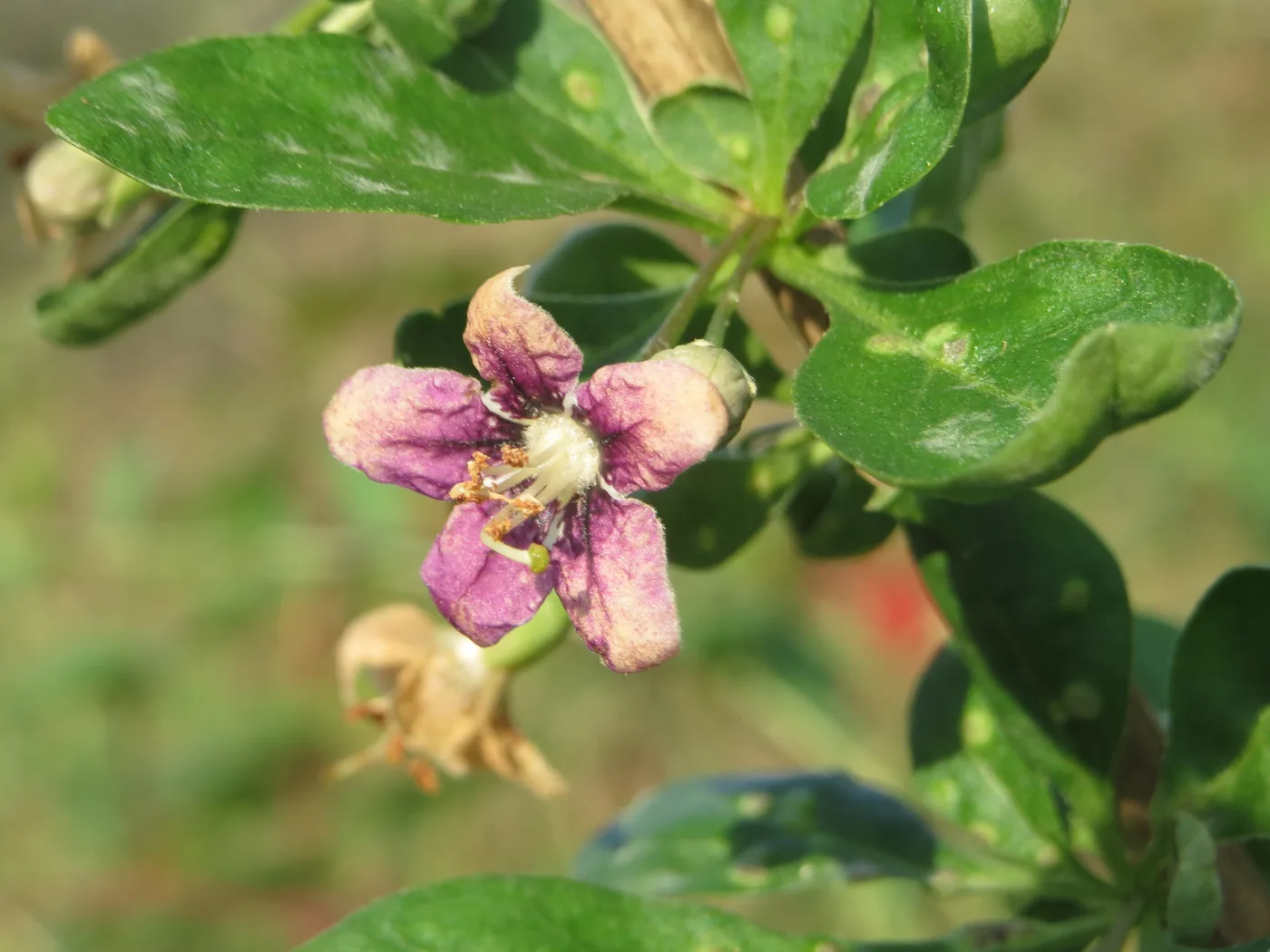

Count the years from the day you plant, and write down the date of the first berry so you can compare one season to the next.
Harvest and Drying
Berries are ready when they are fully orange-red and slightly soft, about 35 days after full bloom. Because the plant flowers all summer, harvest comes in waves from late July or August through the first hard frost.
- Harvest by hand, pulling each berry gently to the side so the cap stays on the stem.
- Drop the fruit into a shallow container so the bottom layer is not crushed.
- Do not squeeze or drop them, because bruised berries turn black.
- Or spread a tarp under the plant and shake the canes, for a faster and rougher harvest.
- Use the berries within a few days, refrigerate or freeze them within a day or two, or dry them.
To dry, spread the berries in a single layer and use a dehydrator at 105 degrees F for about three days, or sun-dry on trays covered against birds. A berry is dry when it is leathery and leaves no moisture on your fingers.
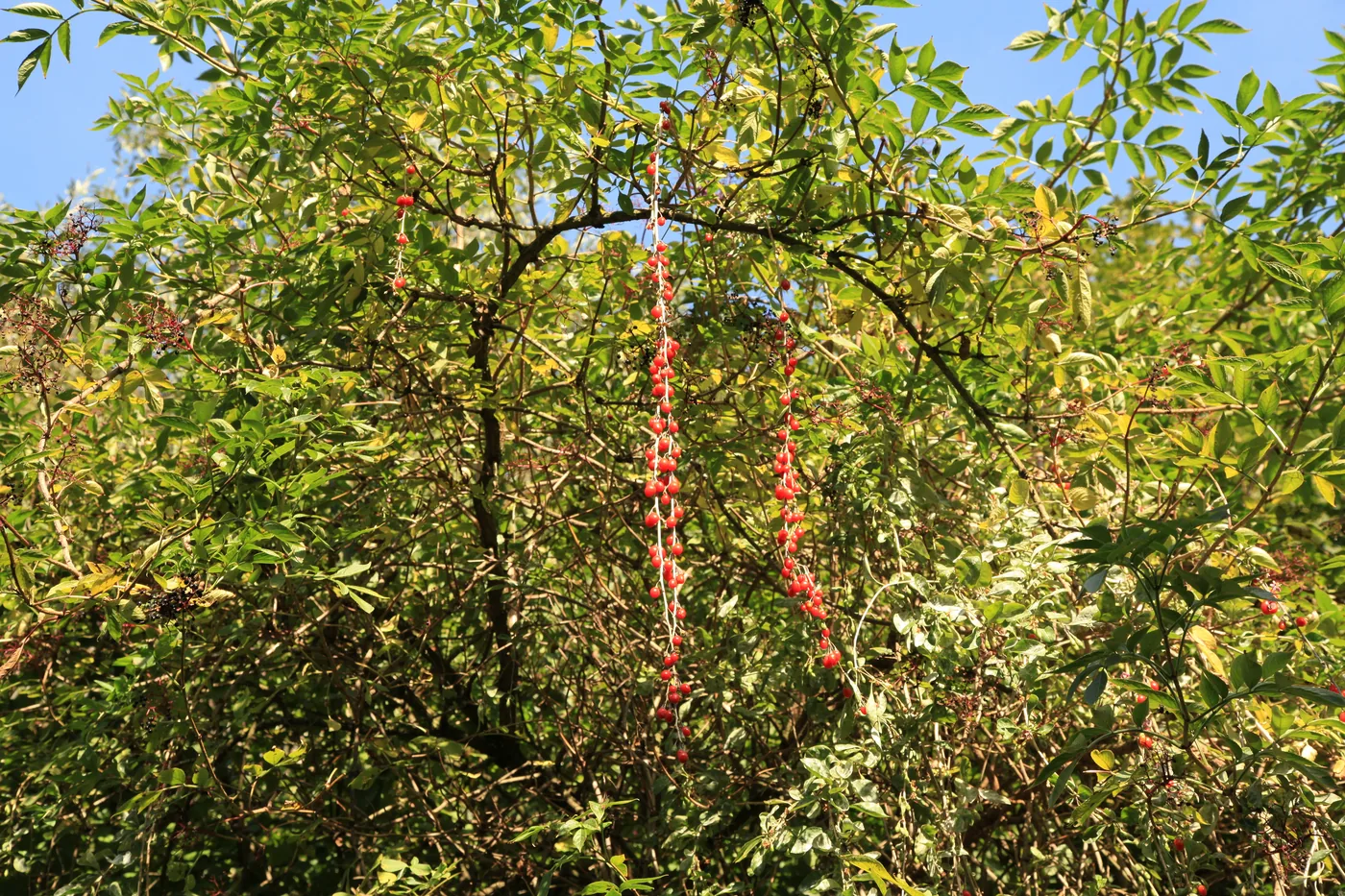

Harvest the same plants every few days during the season, because the ripe berries are always ahead of the green ones.
Keeping the Harvest
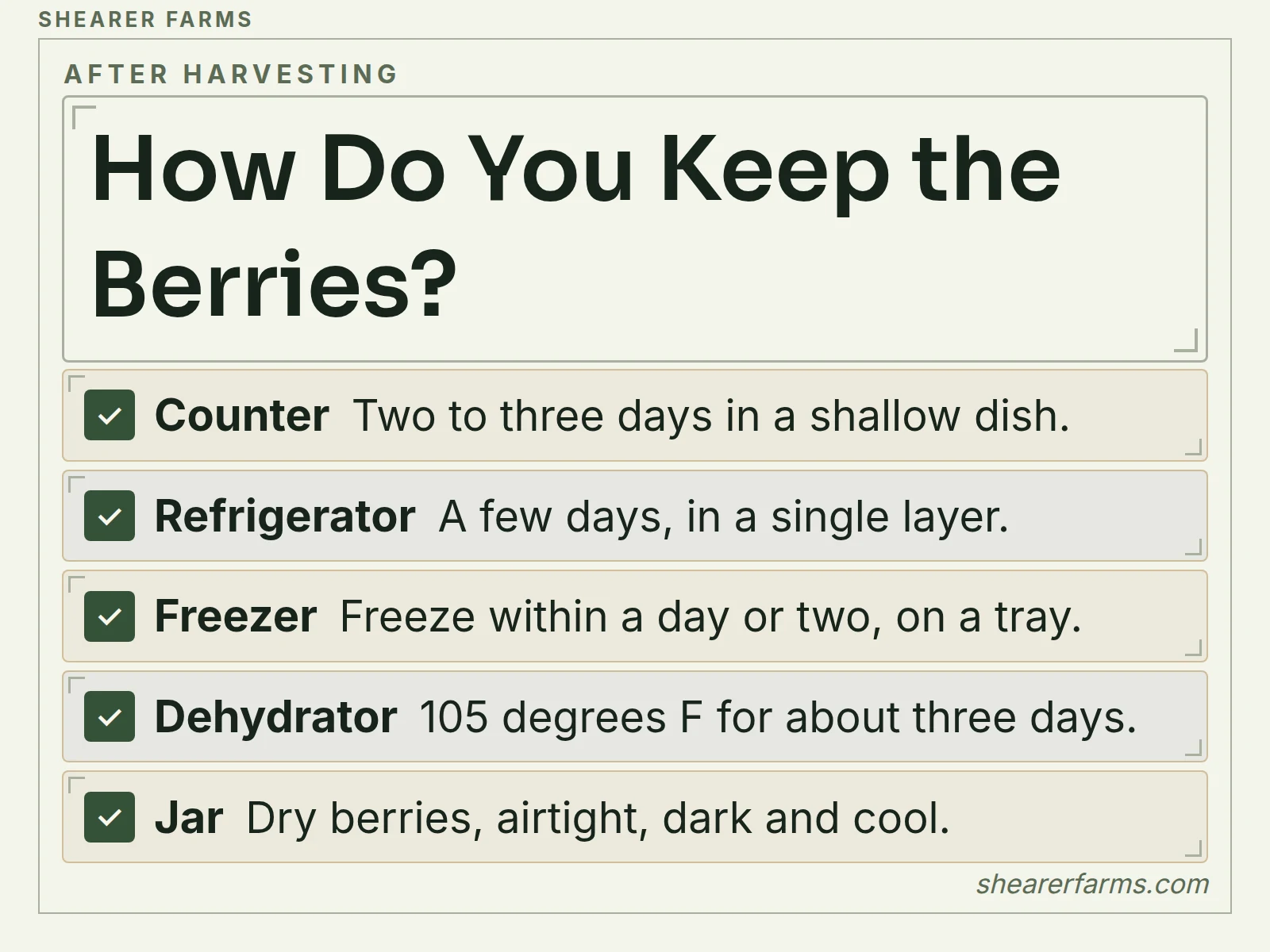
Ripe goji berries are soft and sugary, so they do not wait. A bowl on the counter is good for two or three days, and after that the fruit starts to ferment, so every harvest needs a plan.
| Method | How long it holds | How to do it |
|---|---|---|
| On the counter | About 2 to 3 days | Keep the berries in a shallow dish out of the sun |
| Refrigerated | Several days | Single layer in a covered container lined with paper |
| Frozen | Months | Freeze within a day or two of harvesting, on a tray, then bag them |
| Dried | Long term in an airtight jar | Dehydrator at 105 degrees F for about three days |
Freezing is the easy choice for a small harvest because the berries freeze well and can be dried or pressed later. Drying is the choice for a bigger one, and a dried berry is a leathery, chewy raisin that stores in a jar for the rest of the year.
If you want to go further than fresh and dried fruit, our partner site walks through juicing, powders and extracts of the ripe berries, and a freezer bag of harvested fruit is a good starting material for any of them.
Pests and Problems
Goji has a short list of pests, and most are manageable. The ones to know are below.
| Problem | What you see | What to do |
|---|---|---|
| Powdery mildew | White powdery patches on leaves and stems | Prune for airflow, water at the base and treat early |
| Goji gall mite | Small bead-like galls on leaves and shoots | Prune out infested shoots, use dormant oil or sulfur, and keep tomato and pepper relatives away |
| Spider mites | Fine webbing and speckled leaves, worse in hot, dry weather | Rinse the plant and keep it watered |
| Aphids | Clusters of small insects on new growth | Hose them off or use insecticidal soap |
| Deer and rabbits | Browsed shoots | Fence the plant, and cage young plants |
| Birds | Fruit stripped as it colors | Net the plant before the berries turn |
| Voles and mice | Gnawed canes in winter | Use tree guards and pull mulch back from the crown |
Good airflow does more than any spray. A plant with open branches, steady water and room around it avoids most of the list, and the few problems that remain are easy to spot because you walk the row every week.

Check the undersides of the leaves each week, since mites and aphids start there and are easy to miss from above.
Making More Plants
One healthy shrub can become several, and the cheapest plants are the ones you make yourself. Suckers, cuttings and seed give different results, so choose by what you want from the new plant.
- Suckers: after about three years the plant sends up shoots from its roots. Lift one with its roots in early spring and replant it, and it will match the parent.
- Cuttings: hardwood or softwood cuttings give plants identical to the parent, so a good cultivar stays good.
- Seed: seedlings vary, and some will fruit poorly, so seed is a way to try, not a way to copy a favorite.
Cuttings and suckers are the sensible choice for a planting you care about, since you know what you are getting and the plants fruit sooner than seedlings do.

Keep new plants watered more often than established ones, label each with its parent, and give them a full season in a pot or a nursery bed before you set them in a row.
Safety
Goji is a food with a long record, and a handful of ripe berries is a different thing from a concentrate. The cautions below come from what is documented for the plant and the fruit.
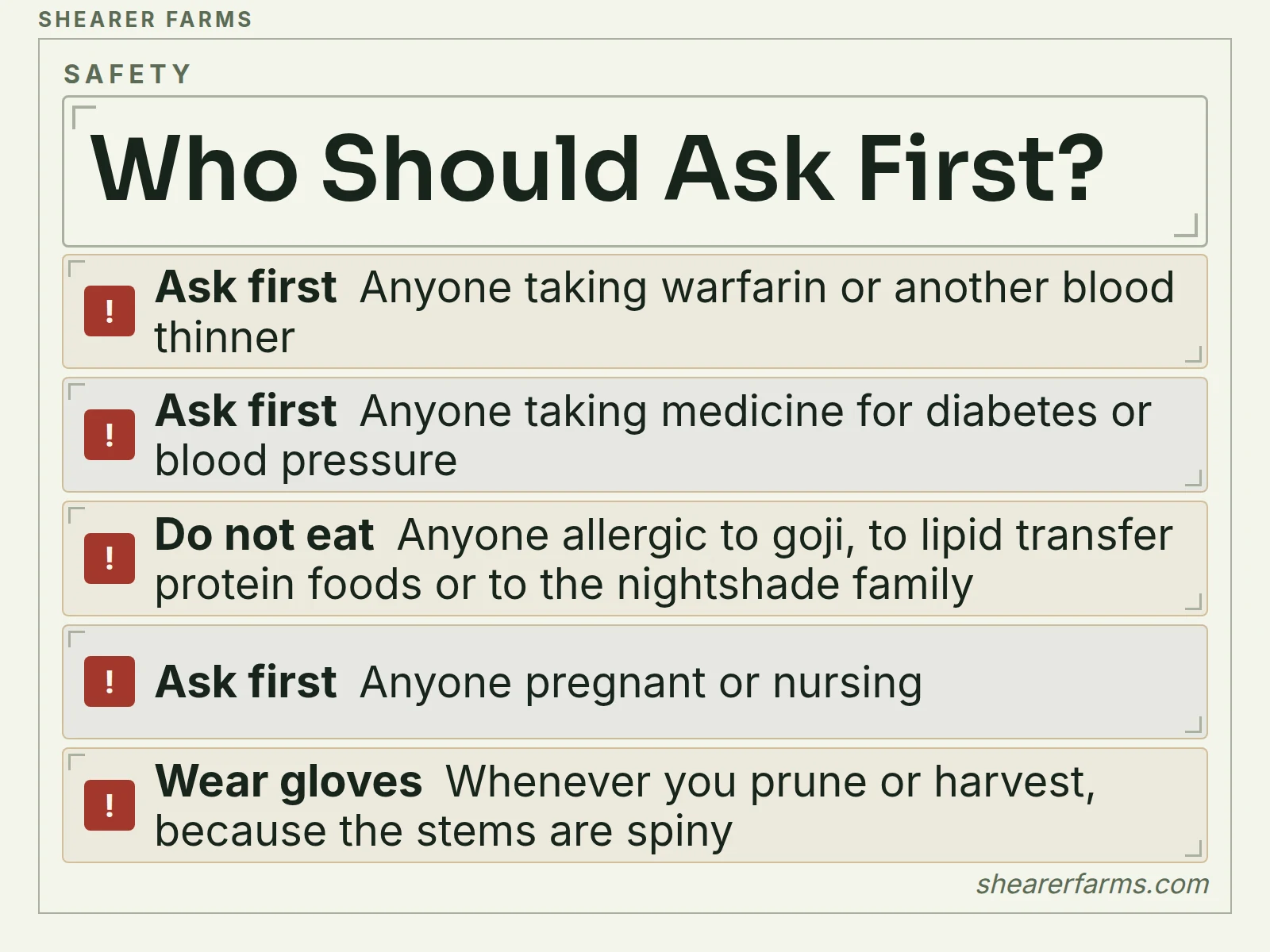
Three facts sit behind that list. Warfarin users should know that goji has been reported to raise the INR, including in a man who bled after drinking goji wine. Allergic reactions, some of them severe, have happened in people who react to certain plant foods. And the plant is a close relative of tomato, pepper and eggplant, so anyone who reacts to those plants should ask first.
What to do
These steps keep the work safe for you and for the people who eat the fruit.
- Wear gloves and sleeves when you prune and harvest, because most cultivars have spines.
- Tell your prescriber before you eat goji regularly if you take warfarin or another blood thinner.
- Tell your prescriber if you take medicine for diabetes or blood pressure and plan to eat a lot of goji or a concentrate.
- Try a small amount of fresh fruit first, so any reaction shows itself at a small dose.
- Harvest only ripe fruit and wash it before you eat it.
Pregnancy and nursing are separate, because we have no source we trust that settles the question, so we leave concentrated goji alone in both and send the question to a clinician.
What not to do
These are the things we leave out of the plan.
- Skip goji if you have a known allergy to goji, to lipid transfer protein foods or to tomato-family plants, unless an allergist says otherwise.
- Hold off on insecticide while the plant is in bloom, because bees do the pollinating.
- Leave the leaves and bark alone, because this guide gives no directions for them.
- Never treat goji as a replacement for medical care or as a treatment for a disease.
- Keep children out of the shrub, because of the spines.
If you remember one rule, make it this one: a berry from your own bush is still a food with real interactions, and the one that matters most is with warfarin.
Troubleshooting
When a goji plant struggles, the cause is almost always one of five things, and you can check them in order.
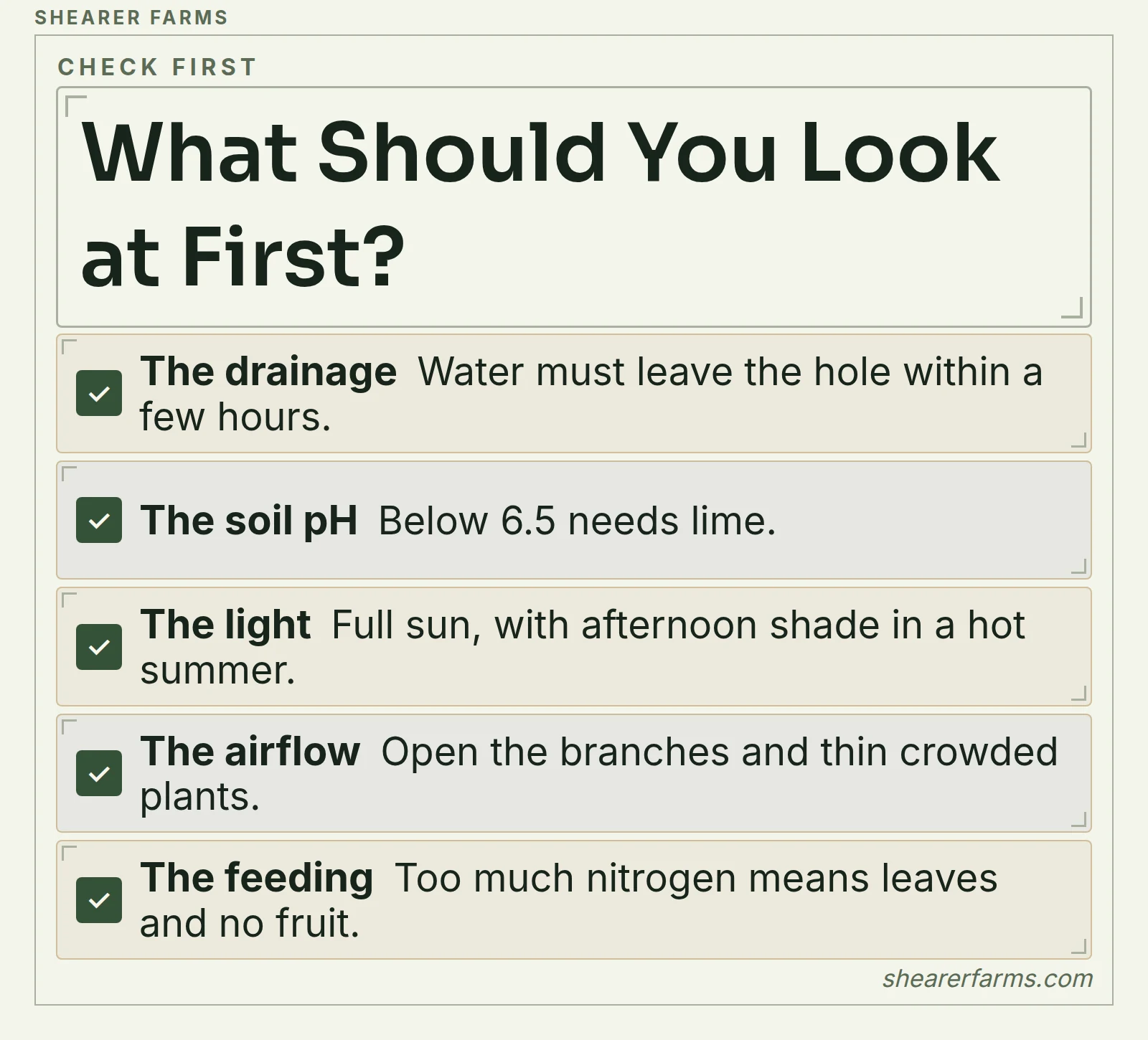
If the checklist does not explain it, write down what you see and when it started, because the date and the weather usually point to the cause.
| What you see | The usual cause | What to do |
|---|---|---|
| Yellow leaves and wilting in wet soil | Roots sitting in water | Improve drainage, raise the plant on a mound and water less |
| Lots of leaves and few berries | Too much nitrogen or too much shade | Stop feeding and prune open |
| Flowers but no fruit in midsummer | Heat above 85 degrees F | Give afternoon shade and steady water |
| White powder on leaves | Powdery mildew | Thin the plant and water at the base |
| Fruit ends dark and water-soaked | Uneven watering | Keep the moisture steady |
| Shoots coming up far from the plant | Suckers | Remove them with their roots |
Most of these come back to water and airflow, so the fix is usually a change in how the plant is set up and not a spray.
Our partner website, Pure Extracts
Goji Berry (Lycium barbarum) Extraction Guide: Juice, Ethanol Precipitation and Ultrasonic Soaks
Make goji berry (Lycium barbarum, wolfberry) extracts: juice then freeze drying, filtered juice with a nonpolar solvent.
References
- Plant database entry, Lycium barbarum: USDA zone 2 and Canadian zone 3 hardiness listing.
- Anthocyanins in wild Lycium ruthenicum fruit from several Chinese regions, 8.21 to 31.46 mg per gram dry fruit, Scientia Agricultura Sinica (2014).
- Comparison of functional components and antioxidant activity of Lycium barbarum fruits from different regions in China, Molecules: zeaxanthin dipalmitate 4.26 to 10.07 mg per gram, polysaccharide 23.62 to 42.45 mg per gram.
- Wikipedia, Lycium barbarum: shrub size, spines, leaves, flowers, berry size and seeds, flowering and ripening months, history of cultivation.
- Raintree Nursery, Goji growing guide: sun, pH, drainage, spacing, planting, watering, pruning calendar, container size, pests, heat and humidity.
- Utah State University Extension, How to Grow Goji Berries in Your Garden: soil, spacing, irrigation, pruning, fruiting age, yield, harvest, drying, gall mite.
- Grow Organic, How to Grow Goji Berry Plants: zones, sun, planting, support, thorns, cuttings, pests.
- Memorial Sloan Kettering Cancer Center, Lycium: warfarin case, lipid transfer protein allergy.
- Goji wine and warfarin: raised INR and bleeding, Toxicology Reports (2015).
- Emerging allergens in goji berry superfruit, Biomolecules (2020).
Common questions
What is goji berry?
Goji berry, also sold as wolfberry, is Lycium barbarum , a thorny deciduous shrub with weak, arching stems that grows 3 to 12 feet tall depending on how you prune it. It bears small purple flowers from late spring through summer, followed by bright orange-red berries that ripen from midsummer into fall. It is a close relative of tomato, pepper and eggplant, which tells you a lot about what it wants: sun, a well-drained soil and steady but not soggy water. This guide covers the species Lycium barbarum .
How do I grow goji berry?
A goji shrub has weak, arching branches, and many side branches end in short spines. Single leaves reach about 2 inches long and the leaves in clusters about 1 inch. Flowers come one to three at a time in the leaf joints, with five purple petals and five stamens that stick out past the petal tube. The berry is an ellipsoid 1 to 2 centimeters across, orange-red when ripe, with 10 to 60 small seeds inside. Stems (Weak and arching, often ending in short spines): Plan for a trellis or a pruned shape, and wear gloves.
What climate does goji berry tolerate?
Goji is grown along the Yellow River in China, where it has been cultivated for more than 600 years, and it has been used for hedging in Britain since the 1700s. It is commonly grown across USDA zones 3 to 10, which means Texas sits well inside the span the plant tolerates, and cold is rarely the limit here. Heat and humidity are the two Texas cautions. Flower and fruit set can fail when temperatures stay above 85 degrees F for long stretches, and afternoon shade helps wherever the summer regularly passes that mark. Fruit quality is best in hot, dry weather and falls off in cool, humid weather.
What soil does goji berry need?
Partial shade is tolerated, but heavy shade cuts flowering, and fruit follows flowers. Aim for at least 8 hours of direct sun in early summer and accept afternoon shade as a trade where the heat is severe. Soil matters more than almost anything else. Goji prefers a pH of about 6.8 to 8.1, with the best growth near 7 to 7.2, and it grows in slightly alkaline soil where many other fruits struggle. It does not grow well in acid soil, so lime anything below pH 6.5.
How do I propagate goji berry?
You can start goji from seed, but seedlings vary and take longer, so most growers buy named cultivars. Crimson Star, also called Ningxia No. 1, and Phoenix Tears are the two most available, and Phoenix Tears is sold as thornless or lightly thorned. Many nurseries sell only plants labeled Lycium barbarum with no cultivar name, and ordering by mail is often the way to get a named one. Bare-root named cultivar (Year 1 to 2): Soak the roots 12 to 15 hours before planting.
How much water does goji berry need?
Young plants need regular, deep watering for the first one or two seasons. Established plants are fairly drought-tolerant and need about 1 inch of water a week, or roughly 7 to 10 gallons over a 3-foot circle. Long dry spells can cut the crop, and irregular watering, with wet and dry swings, can cause blossom end rot, the water-soaked ends on the fruit. Use drip irrigation if you can, because it keeps the leaves dry and the weeds down. Water deeply and less often, instead of a sprinkle every day.
What is years to a crop?
Goji does not give a full crop in year one. Named cultivars may bear a few berries in the first or second year, and the crop grows as the shrub fills out. Full production comes in years 3 to 5. At full production a plant gives about 2 to 6 pounds of berries, depending on the variety, which tells you how many plants you need for a given amount of fruit and why a single shrub is a small crop. Count the years from the day you plant, and write down the date of the first berry so you can compare one season to the next.
When should I harvest goji berry?
Berries are ready when they are fully orange-red and slightly soft, about 35 days after full bloom. Because the plant flowers all summer, harvest comes in waves from late July or August through the first hard frost. Harvest by hand, pulling each berry gently to the side so the cap stays on the stem. Drop the fruit into a shallow container so the bottom layer is not crushed. Do not squeeze or drop them, because bruised berries turn black.
What pests and diseases affect goji berry?
Goji has a short list of pests, and most are manageable; the ones to know are below. Powdery mildew (White powdery patches on leaves and stems): Prune for airflow, water at the base and treat early. Goji gall mite (Small bead-like galls on leaves and shoots): Prune out infested shoots, use dormant oil or sulfur, and keep tomato and pepper relatives away. Spider mites (Fine webbing and speckled leaves, worse in hot, dry weather): Rinse the plant and keep it watered.
How do I make more plants?
One healthy shrub can become several, and the cheapest plants are the ones you make yourself. Suckers, cuttings and seed give different results, so choose by what you want from the new plant. Suckers: after about three years the plant sends up shoots from its roots. Lift one with its roots in early spring and replant it, and it will match the parent. Cuttings: hardwood or softwood cuttings give plants identical to the parent, so a good cultivar stays good.
Is goji berry safe?
Goji is a food with a long record, and a handful of ripe berries is a different thing from a concentrate. The cautions below come from what is documented for the plant and the fruit. Three facts sit behind that list. Warfarin users should know that goji has been reported to raise the INR, including in a man who bled after drinking goji wine. Allergic reactions, some of them severe, have happened in people who react to certain plant foods.
Browse by topic
More guides to explore
 GrowingDragon Fruit Cultivation GuideExtractionAbsinthe Wormwood Cultivation Guide
 GrowingDamiana Cultivation Guide
 GrowingCitronella Grass Cultivation Guide
 GrowingChamomile Cultivation Guide
 GrowingCats Claw Cultivation Guide
 GrowingCordyceps Mushroom Cultivation Guide
 GrowingAgarita Cultivation Guide
 GrowingAloe Vera Cultivation Guide
 GrowingAshwagandha Cultivation Guide
 GrowingBacopa Monnieri Cultivation Guide
 GrowingBlue Java Banana Cultivation Guide